Bring colour to your garden with drought-resistant prairie plants
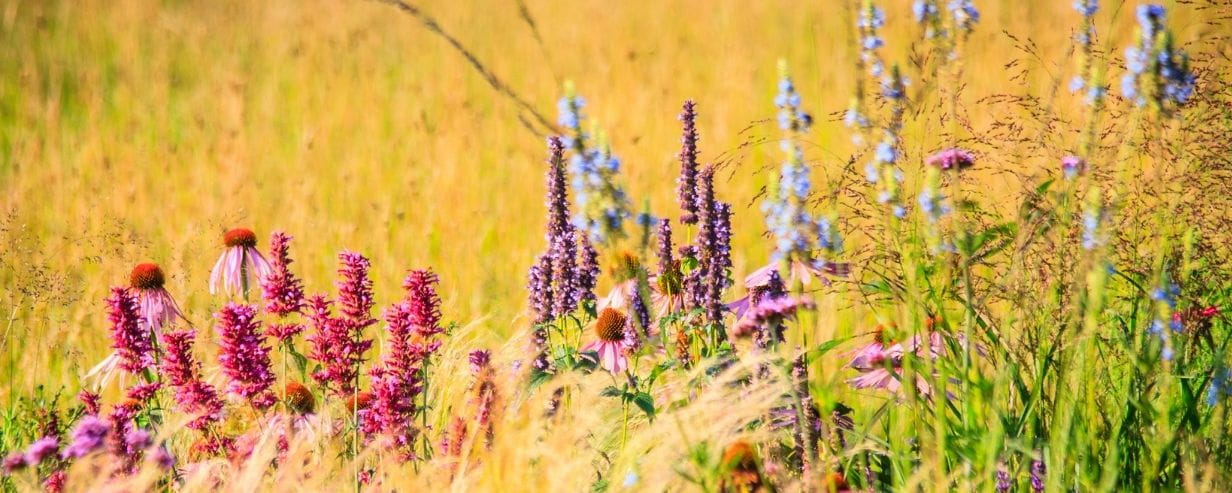
Late-blooming prairie planting can give low-maintenance colour to even the driest of gardens.
Getty
Late-blooming prairie planting can give low-maintenance colour to even the driest of gardens.
This month the pastel blues and blossom pinks that bloomed from April to June make way for August’s thumping yellows and blazing reds – colours that feel increasingly at home in gardens adjusting to hotter, drier summers.
British spring does not do red. Although there is no chemical reason why bluebells do not turn our forests scarlet, we are saved from that by the bee’s eyesight. Their light receptors cannot pick up red. It is off the spectrum, as ultraviolet light is to us.
Flowers are just signs saying, “Nourishment here!” It makes no sense to write one in an unreadable font, so there are no redbell woods. As our seasons become less predictable, however, it is worth remembering that flower colour is never simply decorative: it is part of a long conversation between plants, pollinators and weather.
Thankfully, some pollinators do see red, such as butterflies and certain beetles, and these give us our common corn poppy (Papaver rhoeas) and the Maltese-cross (Silene chalcedonica), as well as the blood-bead droplets of Dianthus cruentus that brighten the new Delos garden at Sissinghurst. But it’s birds that really have the receptors for it – that’s why berries are so often scarlet.

In Europe, however, flowers rarely have avian visitors. We lack the family Trochilidae, or hummingbirds, whose 360 species are found only between the tip of Argentina and the coast of Alaska. Our native plants cannot hold up signs for the world’s most efficient pollinating birds to read. Those from the New World can – and many of them also bring us useful lessons for a warming climate.
That’s why our best and most brilliant reds come from across the Atlantic. Dahlias, of course, but also the canna lilies, which raise blazing flags above the late summer border, the monardas, with sea-anemone flowers in scarlet tones unimaginable to their mint and lavender cousins, the hardy fuchsias, the trumpet vine (Campsis radicans) and, brightest of all, the cardinal flower (Lobelia cardinalis). All bloom late, saving gardeners from what might otherwise be a green-coloured wait for autumn, for which we can also credit the hummingbird.
Many are migratory and do not reach the cooler parts of America until the year is advanced, while residents often nest in spring and choose to raise their young on a diet of insect protein. Red-petalled plants save their flowers for when the birds are ready to drink. In our own gardens, that late performance matters more than ever, helping to extend the season for pollinators when erratic weather has made earlier sources of nectar less reliable.
Birds, however, do not account for late summer’s most iconic spectacle – the blooming of the prairie garden. Look for pink shades in coneflowers (Echinacea), eupatorium, penstemon and phlox, blue asters and, most obvious of all, yellow from rudbeckias, sunflowers (Helianthus), goldenrods (Solidago), and sneezeweeds (Helenium).
All are vivid, guileless plants from under the wide American skies, perfect for carrying a garden beyond the year’s peak. We have insect eyes to thank. In attracting a bee, contrast matters as much as colour. Light tones stand out against spring’s green leaves but summers on the plain are hot and long.

By August the stems have bleached pale – only the brashest colours pop. It is no surprise that prairie planting now feels so useful in Britain: these are plants shaped by sun, wind and seasonal extremes, and many are better suited than thirsty bedding to gardens facing longer dry spells.
It’s lovely to know the disparity between bright flowers and golden stalks – which makes for exciting prairie planting – is the reason its colours exist. The blooms were literally made to look good with drying grass. To set off the perennials, in the eyes of both humans and insects, site them with wafting miscanthus, golden oats (Stipa gigantea) or Mexican feather grass (Nassella tenuissima).
Given a sunny spot and soil that is not overfed or overwatered, they will shine against our temperate backdrop of flowered shrubs and fading borders, while asking less of the hose and giving more to late-season wildlife.
Some people shy away from yellow in the late summer, regarding it as “all a bit too much”, but they will happily fill the same borders with daffodils in spring. I believe that what’s joyous in March is joyous in August, and would suggest that brazen exuberance will always be in style. In a changing climate, it is more than a matter of taste: strong, sun-loving plants can help us build gardens that feel generous without being greedy.
So here’s my gardener’s advice to those worried about our changing weather: take inspiration from the birds, bees and big American skies. Choose plants that can cope with heat, support pollinators when they need it, and keep the garden alive deep into the season – then go as bright as you possibly can.

The most commonly planted Black-Eyed Susan for good reason. It’s reliable in damp and part shade, and forms a blazing mound of yellow.
For a more unusual, stately presence try Rudbeckia maxima.
An iconic pinkish coneflower, right. It’s only ubiquitous because it’s so nice. Go full height with a robust cultivar such as “Bressingham Hybrids” that is less short-lived than some.
A prairie perennial with thin spires of mauve that have all the elegance of a Chelsea show garden’s worth of white foxgloves.
Cheerful shuttlecock flowers in warm, red tones. Try “Ruby Tuesday” with its deeply coloured florets and eyes that brighten from chocolate to gold.

It’s not just hummingbirds that pollinate. A study in South Africa found that 80% of crocosmias (once known as montbretias) are visited by birds. “Lucifer” is the most searing of them all.
Great paddles of tropical foliage and late summer flowers in a hot, ruffled bunch. Salmon-pink “Louise Cayeux” is more subtle. Or go the opposite way with “Durban” – its extravagantly red-veined leaves glow with the sun behind them.
The trumpet vine is a self-clinging climber with clusters of flower in the reddish-orange of a cut grapefruit. The ideal backdrop to a border of late summer topicals, grow it along a fence or up a wall.
Scarlet beebalms shoot striking tubular petals from a long-lasting ball of flowers. They’re as good from afar as close up, and the leaves have a citrussy, balsamic scent.
Find out about Saga's Gardening holidays here...
Explore stunning outdoor sanctuaries on Saga’s garden-themed getaways – it doesn't matter if you’re a keen horticulturist or just someone who enjoys colourful blooms.
Saga Home Insurance comes with garden cover included. Find out what’s included and get tips to help secure your garden.

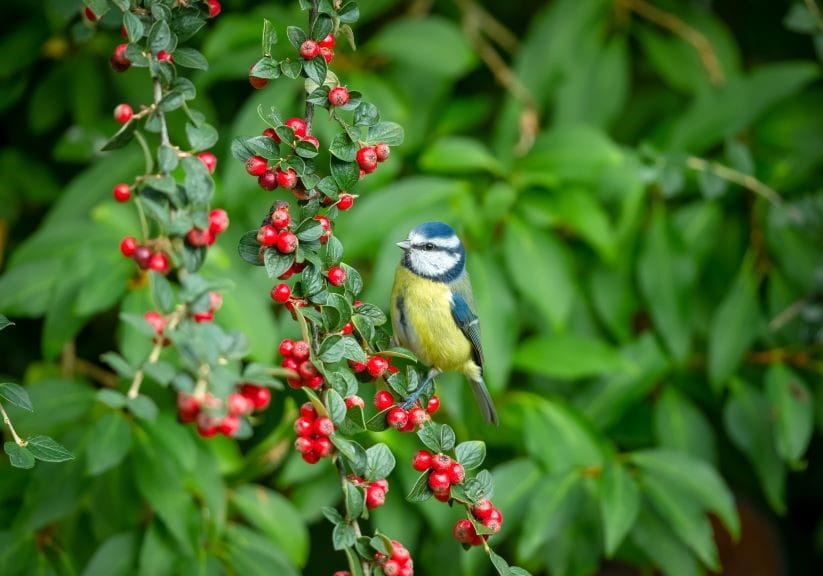
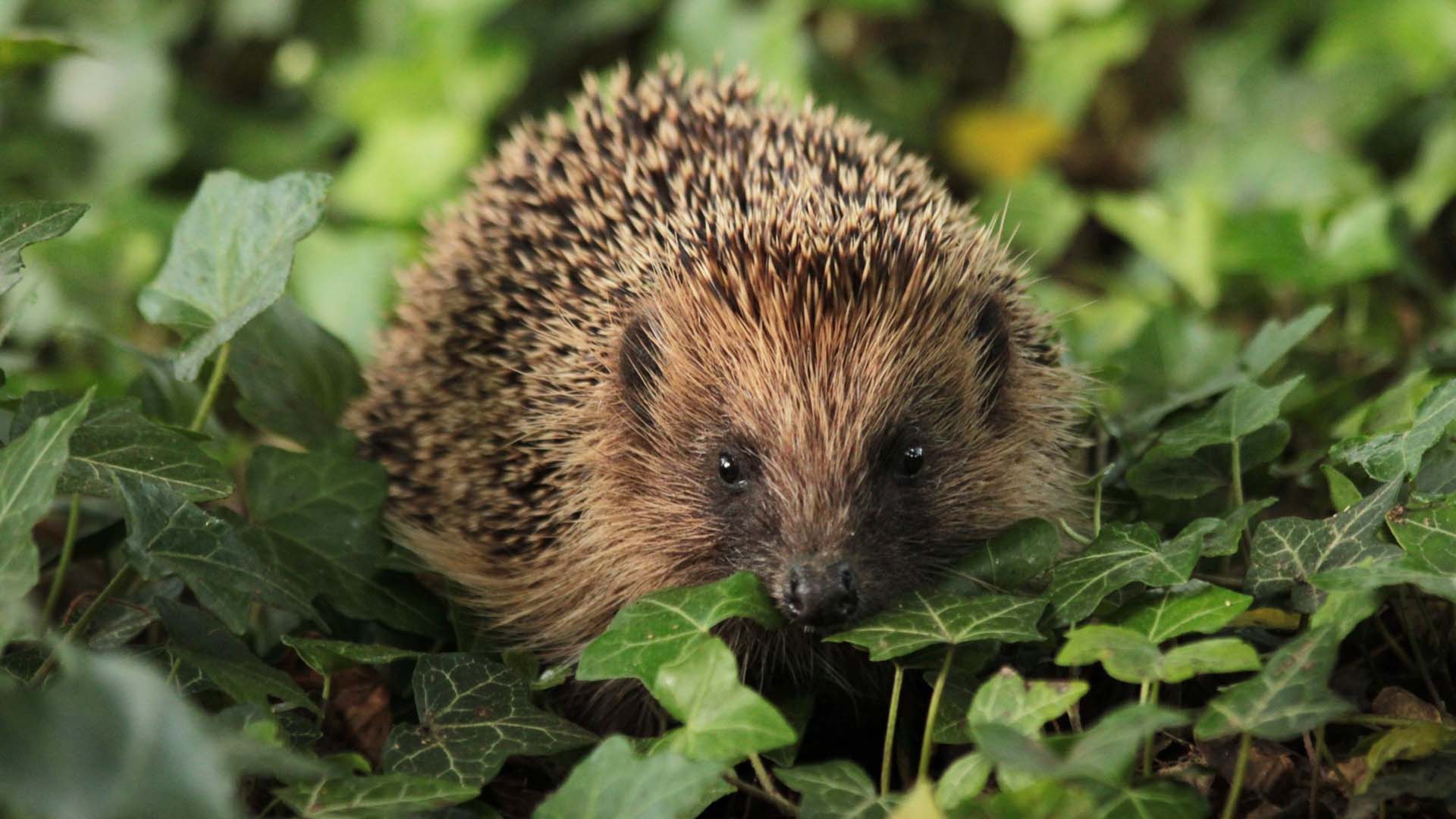
The best wildlife-friendly shrubs for British birds, mammals and insects.
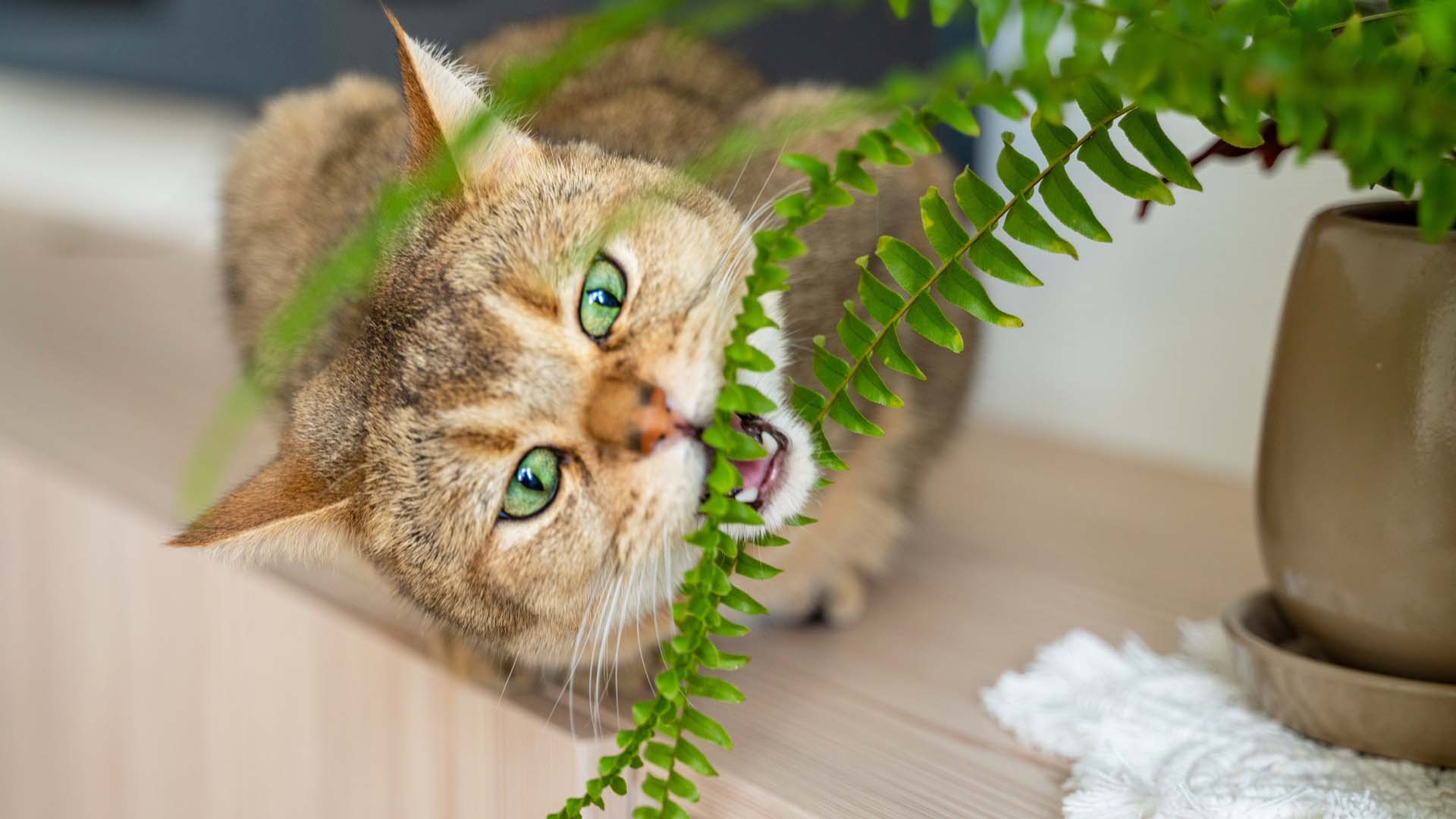
Pots at the ready – these safe houseplants for pets will help your house become tropical, not toxic.
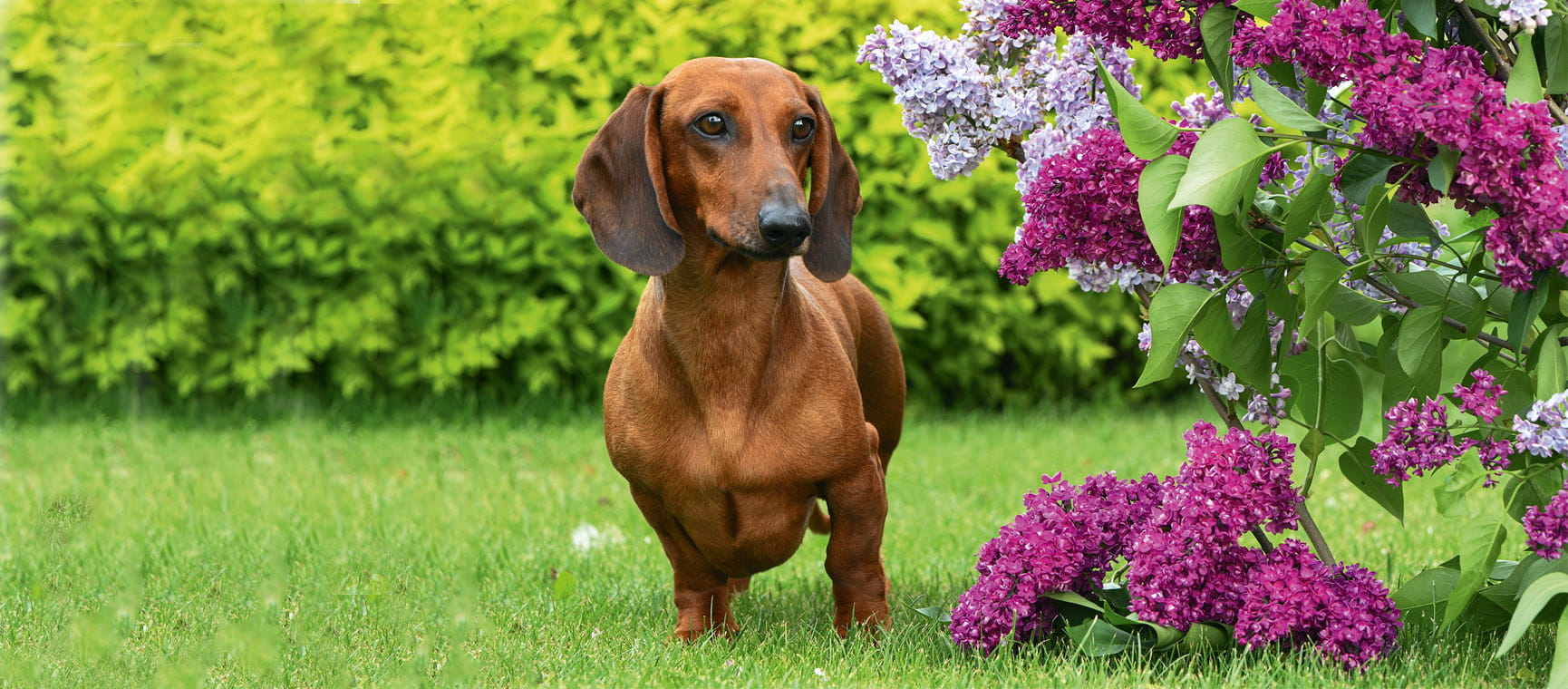
Expert tips from Monty Don, including the best and worst plants for your dog.
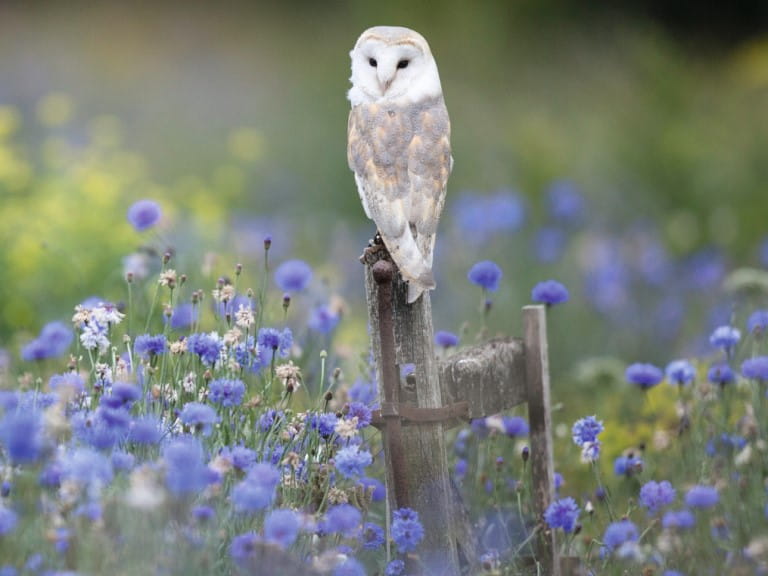
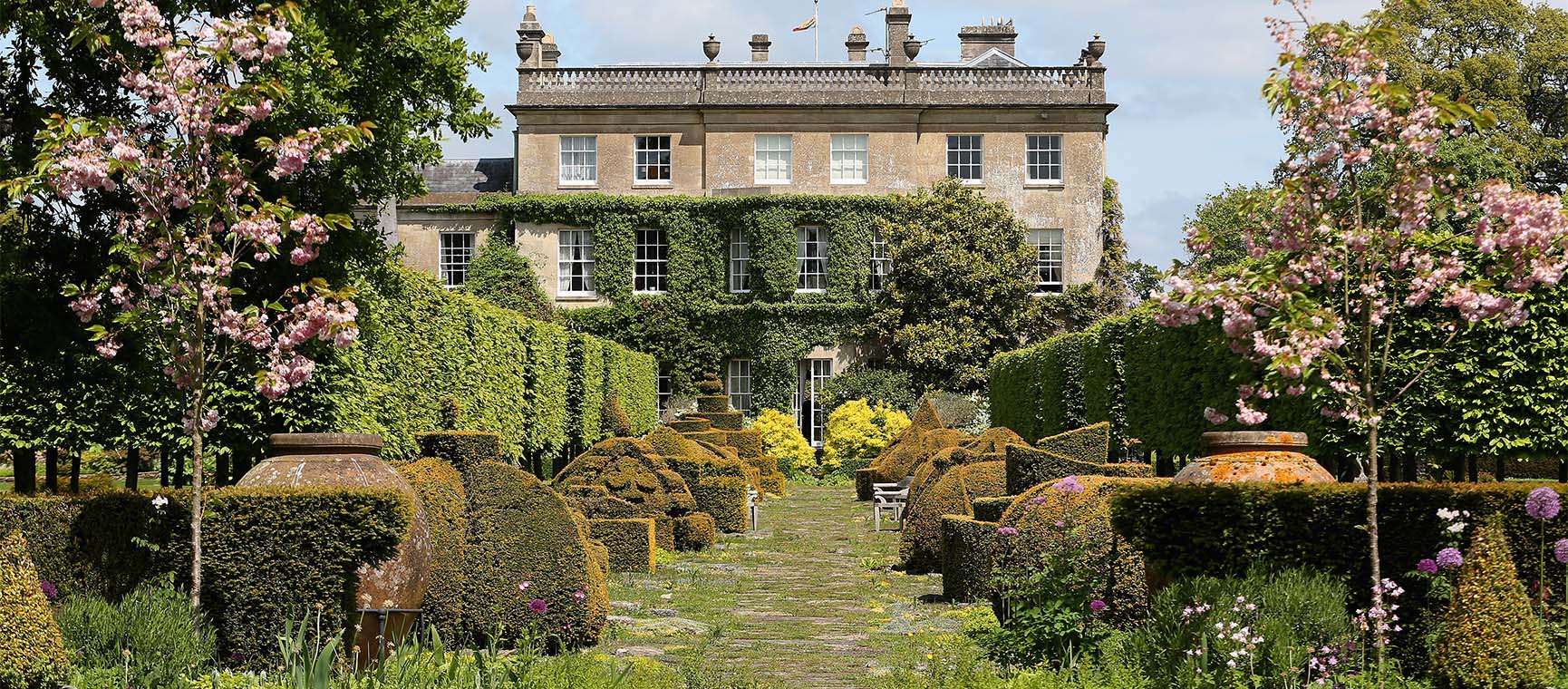
A former Highgrove gardener shares his advice. If they’re good enough for the royals, they’re good enough for us.
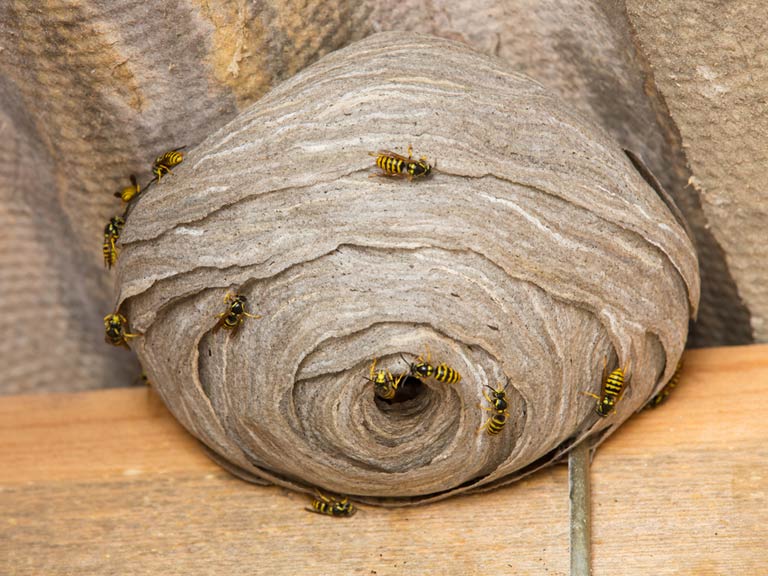
We aren’t the only ones to welcome warmer weather, wasps do too and they could be sharing your home. Find out how to identify a wasp nest and what to do about it
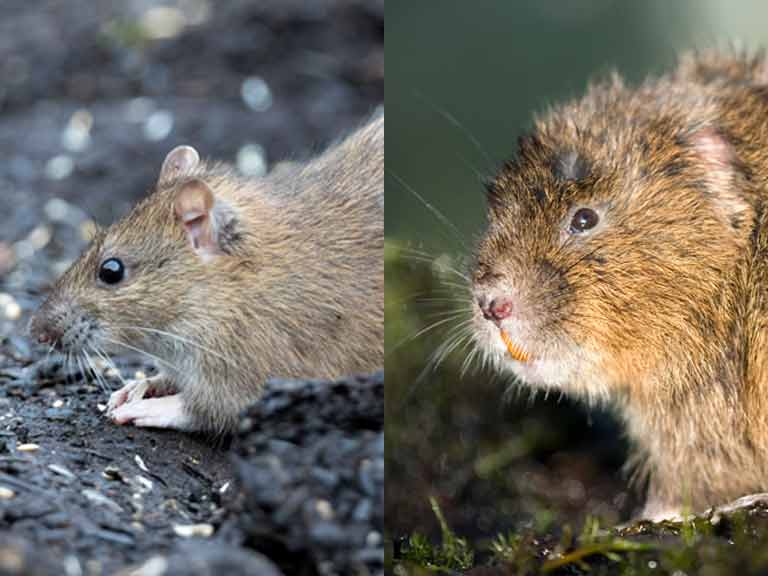
If you've seen a large brown rodent in your garden or swimming in your pond you might be wondering what it is. Wildlife expert David Chapman explains how to tell a water vole from a rat
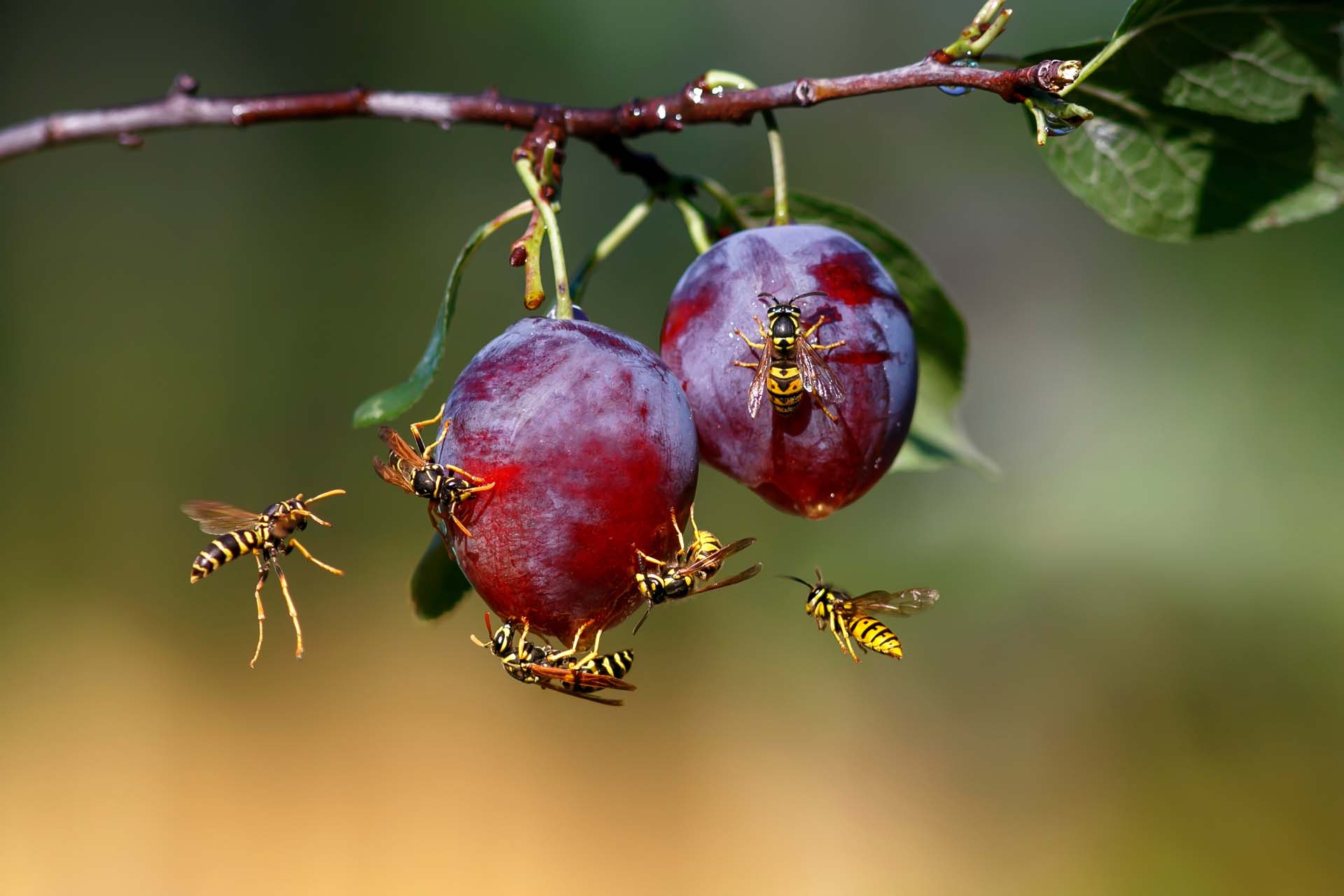
Blighted by buzzing? How to keep wasps out of your garden without harming them so you can enjoy the summer.
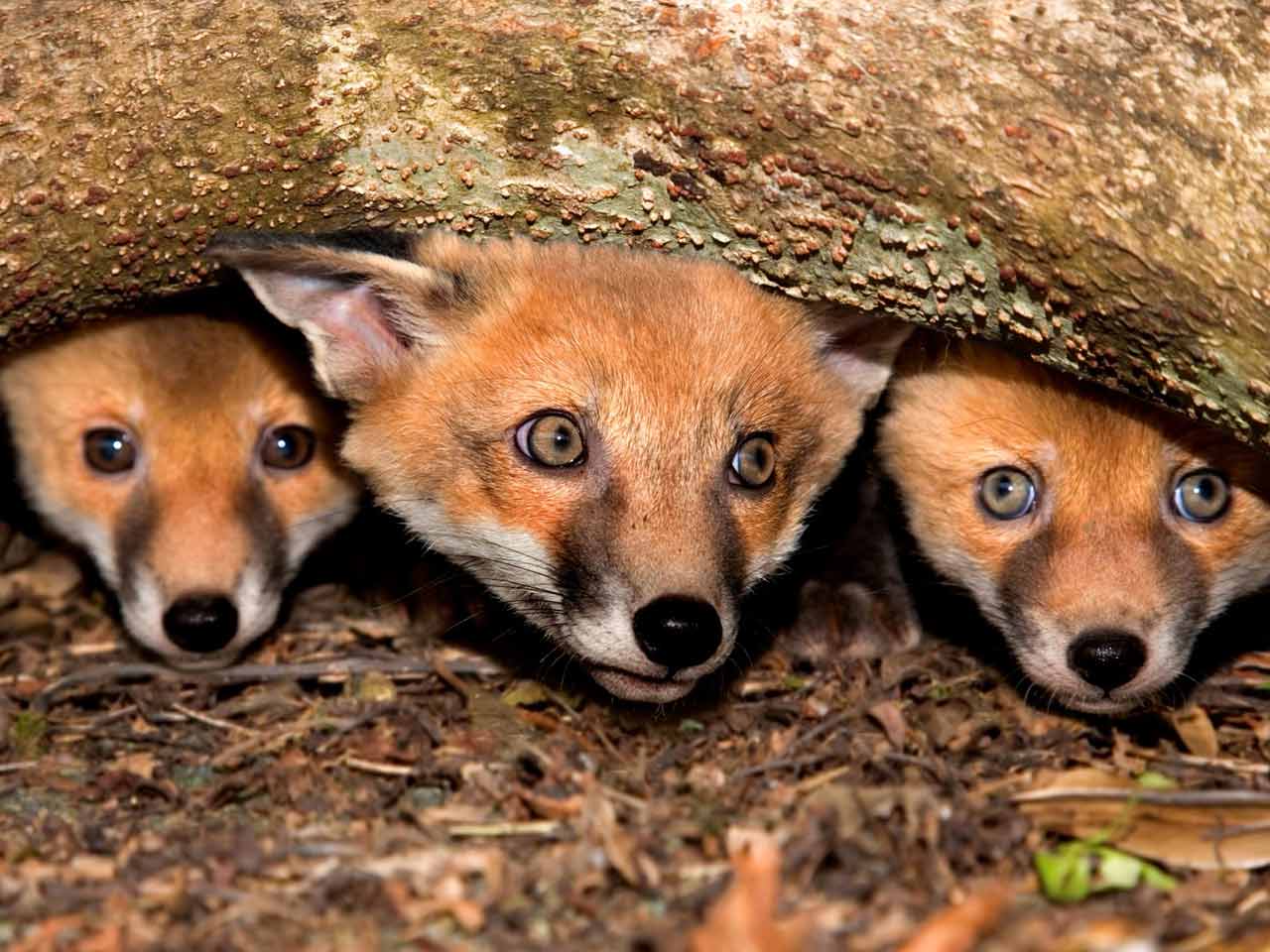
Many of us are living with foxes in our gardens - wildlife expert David Chapman explains what to feed them, how to spot illness and whether you can keep them away.
Expert advice on how to avoid neighbour disputes, fines or even prosecutions.