Are blueberries really the healthiest berry?
Blueberries have become the breakfast berry of choice, but nutrition experts say other berries may have advantages too. Here’s how they compare.
Getty
Blueberries have become the breakfast berry of choice, but nutrition experts say other berries may have advantages too. Here’s how they compare.
Fresh berries are now the most popular fruit item in UK shopping baskets, accounting for 28% of all fruit sold. Strawberries may still dominate the berry aisle, but blueberries are one of the fastest-rising stars, helped by their healthy reputation and the fact that they’re easy to throw on everything from porridge to yogurt.
It’s not hard to see the appeal. Neat, sweet and endlessly scatterable, blueberries have become shorthand for a healthy breakfast, the berry we add when we want to feel we’re doing something good for ourselves.
But are blueberries really the best berry for your health or have they simply had better PR? We asked nutrition experts whether they deserve their superfood reputation and which berries might be even better.
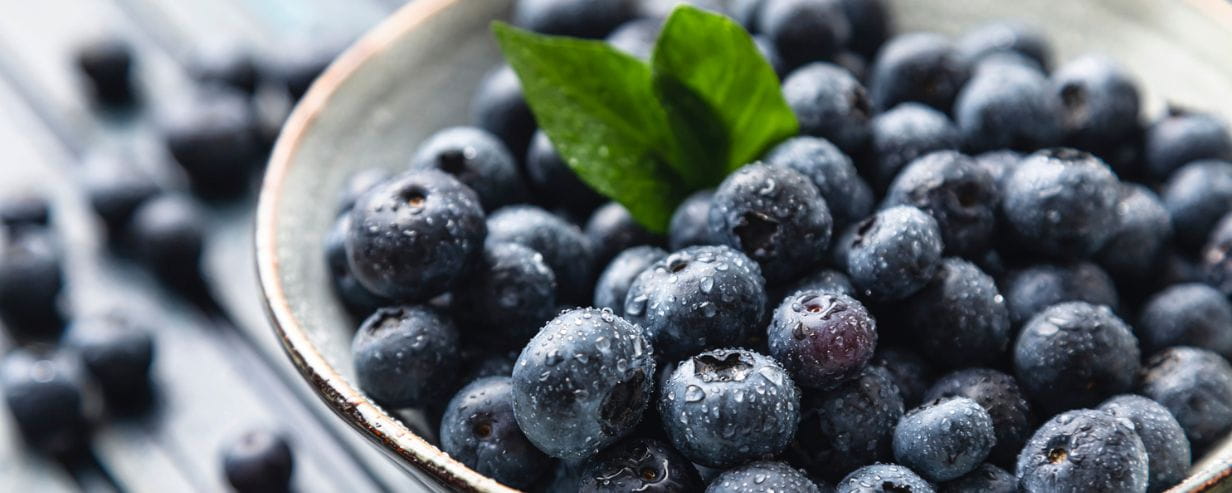
Blueberries have become the berry world’s star pupil, but their reputation isn’t just wellness fluff – there’s proper science behind it.
Much of the interest comes down to anthocyanins, the plant pigments that give blueberries their deep blue-purple colour. These compounds have been studied for their links with heart, blood-vessel and brain health, which is one reason blueberries are so often singled out.
“Blueberries have earned real respect,” says Esra Soylucicek, registered nutritional therapist at Reborne Longevity. “They’re among the best-studied berries, with human-trial evidence for blood pressure, blood-vessel function, blood-sugar control and even memory in older adults.”
Josephine Smith, nutritionist and in-house practitioner at Supplement Hub, describes blueberries as “an all-rounder”, saying they’re “one of the best berries for long-term health” and have been linked with “supporting gut health, cognitive health, immunity, healthy blood sugar regulation and heart health”.
So far, so impressive, but experts are also wary of giving any one food too much of a halo.
“I tend to avoid the word superfood as it suggests one food can do more than others,” says Dan Osman, performance nutrition specialist at Prep Kitchen.
“No single food transforms your health, but blueberries are a very good addition to any diet.”
If blueberries are the berry with the glossy PR campaign, blackcurrants are the quieter overachievers.
“Blackcurrants stand out for their exceptionally high vitamin C and for their high levels of the flavonoid anthocyanin,” says Elizabeth Sanchez, registered dietitian at Green Health Dietetics.
Soylucicek also names blackcurrants as one of her standout berries, thanks to their “exceptional vitamin C, around three to four times an orange gram-for-gram, plus very high anthocyanins”.
Vitamin C helps support the immune system, collagen formation, wound healing and the protection of cells from oxidative stress. Research on blackcurrants has found they contain around 160-285mg of vitamin C per 100g, alongside anthocyanins, the deep purple plant pigments also found in blueberries.
By comparison, oranges are generally much lower in vitamin C per 100g (52-60 mg), which is why blackcurrants can look so impressive gram for gram.

When it comes to fibre, raspberries and blackberries deserve more attention.
“Raspberries are an excellent choice for people watching their blood sugar or trying to eat more fibre,” says Sanchez. “They are one of the highest fibre fruits, providing around 6.5g of fibre per 100g, while also being relatively low in sugar.”
Blackberries are another strong choice. Soylucicek says blackberries lead on fibre, at around 6-7g per 100g, which is high for a fruit. That fibre helps feed beneficial bacteria in the gut, which then produce short-chain fatty acids such as butyrate, an important fuel for the gut lining.
But the gut benefits of berries aren’t just about roughage. Berries also contain polyphenols, plant compounds that are increasingly being studied for the way they interact with the gut microbiome.
“Most of a berry’s polyphenols aren’t absorbed higher up, so they reach the colon where they act as fuel for helpful microbes such as Bifidobacteria and Akkermansia muciniphila,” says Soylucicek.
These bacteria are important because they help support a healthier gut environment. Bifidobacteria are associated with better digestion and immune function, while Akkermansia muciniphila helps maintain the gut’s protective mucus layer, part of the barrier that keeps the gut lining strong.
Heart health is where the evidence for berries is strongest, and it isn’t just a blueberries story. Soylucicek says the case runs across other berries too.
“The berry colours that matter most for the heart are the reds and the blue-purples, both linked in the research to lower cholesterol and blood pressure,” she explains.
She points particularly to blueberries, strawberries, cranberries and blackcurrants as good choices for heart health.
Osman agrees but says the club is bigger than blueberries. “Generally speaking, blueberries, blackberries, and strawberries have some of the strongest evidence in terms of supporting heart health,” he says.
Osman and Soylucicek both point to the same reason: polyphenols, including anthocyanins, the compounds that give darker berries their deep blue, purple and black shades. These are thought to support blood vessel function and reduce inflammation, while the fibre in berries helps keep cholesterol in check.
So, are blueberries good for your heart? Yes. But the better answer is that a mix of red and dark berries is likely more useful than putting all your faith in one punnet.
Strawberries are the berry we associate with summer, cream teas and supermarket punnets rather than serious nutrition, but that may be unfair.
“I’d argue strawberries are underrated precisely because they’re so familiar,” says Soylucicek. “A single cup provides more than a full day’s vitamin C, along with folate, potassium and fibre, all for very little sugar and a low glycaemic impact.”
Osman agrees and makes the case on accessibility.
“Strawberries are one of the richest sources of vitamin C; we tend to typically associate that with citrus fruits like oranges, lemons and limes,” he says. “I would favour strawberries purely for their accessibility year-round and affordability, which makes them easy to incorporate into diets.”
Smith adds that they’re simply easy to eat often. “On a surface level, they’re filling, hydrating, low-calorie and naturally lower in sugar than many fruits, making them a go-to healthy snack,” she says.
And that’s the point – the best berry is partly the one that you’ll actually eat. A rare, expensive berry powder at the back of the cupboard does nothing for your health. A handful of strawberries with breakfast or as a dessert after dinner does.
If fresh berries are in season, taste good and don’t cost a small fortune, lovely but nutritionally, frozen berries are not a poor relation and they may be one of the easiest ways to eat berries more often.
“Fresh and frozen berries are nutritionally very similar,” says Sanchez. “Dried berries can still be a good option but are more concentrated in sugar and calories, and whole berries are generally a better choice than juice because you retain the fibre and limit the effect of the sugar intake.”
Soylucicek agrees that frozen berries are a very practical choice. “Frozen berries are just as nutritious as fresh, often more, as they’re picked and frozen at peak ripeness, and far kinder on the budget out of season,” she says.
Where you may need to be more careful is with dried berries, juices and heavily sweetened berry products. Drying concentrates the fruit, which means the sugar and calories are more concentrated too. Juicing removes much of the fibre, and sweetened cranberry juice, berry jams and syrups can quickly turn a healthy fruit into something closer to a pudding ingredient.
A standard portion of berries is simpler than it sounds: think one decent handful.
“For fresh or frozen berries, a portion is around one handful of berries, roughly 80g,” says Sanchez. “For dried berries, a portion is smaller, around 30g, or one tablespoon, while a small 150ml glass of unsweetened juice or smoothie counts as one portion.”
That matches NHS five-a-day guidance almost exactly, including the advice to cap juice and smoothies at a combined 150ml a day, since they contain free sugars.
They’re one of the best, but perhaps not the undisputed winner. Blueberries are rich in anthocyanins, well studied and linked to real benefits for blood-vessel function and cognitive performance in older adults, but the case for blueberries isn’t a case against everything else – other berries are simply doing different jobs.
“Eating across the colours, rather than loading up on one, is what gives you the widest spread of protection,” says Soylucicek.
Blueberries for anthocyanins, blackcurrants for vitamin C, raspberries and blackberries for fibre, strawberries because they’re the ones you’ll actually eat regularly. Blueberries are genuinely good for you, not just Instagram fluff in a punnet, but they don’t deserve the whole fruit bowl to themselves.


Your chance to win a 7-night cruise for two on board Spirit of the Rhine, worth more than £4,000.

Health insurance for people over 50 that provides a quicker route to diagnosis and planned medical treatment in a private facility.
Underwritten by Bupa Insurance Limited.

Expert nutritionists break down the most important foods to eat in each decade as we get older.

We reveal the 7 best tinned foods to supercharge your health while saving you time and money.

From ketchup to mayo – how healthy are your sauces? We find out the pitfalls and surprising benefits of our favourite condiments.

Could honey be the sweetest way to supercharge your health this year? Our experts explain the benefits and which to buy.

Our expert guide to the common foods you shouldn't mix with prescription drugs.

Experts reveal whether chilled supermarket soups are worth the extra cost and if some flavours are better for you than others.
Looking after your gut health could be one of the biggest things that you can do for your overall health. Here are the best foods to keep your gut happy.

The foods that could help you live longer and protect against chronic illness.

A dietician reveals which foods can help protect vision and prevent age-related eye conditions.
Everything you need to know about protein, from how it benefits your body to the best high-protein foods – and how much you really need.