Paul Lewis: March money news
Gold soars, the best investment funds and the end of the £100 limit for contactless payments.

Gold soars, the best investment funds and the end of the £100 limit for contactless payments.
The price of gold hit a record high late in January, breaking through the $5,000-an-ounce barrier for the first time. And it's still rising. As I write, a bar of gold weighing one kilogram – about the size of an old mobile phone – now costs around £125,000. That's four times what it did eight years ago.
Political uncertainty across the globe is driving up the price. But buying now may not be a good investment, as even the price of gold can go down as well as up. If you want to cash in and sell gold jewellery, remember that most is 9 carat, which means only 37.5% of it is gold – the rest could be silver or copper.
You can find today’s gold price at gold.org, or by searching for ‘royal mint gold’.
A man in Norwich and another in Spain have been charged with conspiracy to defraud over the collapse of the funeral-plan firm Safe Hands in 2022. Around 46,000 people lost more than £70 million in advance payments that were supposed to provide a funeral when they died.
But the administrators of the failed firm say the assets they've found will mean payouts of less than 4p in every pound. Customer Denise Hudson told the BBC she received just £96.50 after paying Safe Hands £2,500. The Serious Fraud Office continues to investigate.
New analysis by the investment platform AJ Bell shows that over the past ten years, investing in simple funds that track international share prices outperformed every other investment strategy, such as picking businesses expected to grow or buying the shares everyone else was selling.
An investment of £10,000 on 1 January 2016 would've grown to more than £35,000 by the end of last year. All other investment strategies made less profit, some barely a third as much. According to research, investments that passively track a stock market index outperform in the long-term funds that are actively managed, partly because fees are much lower.
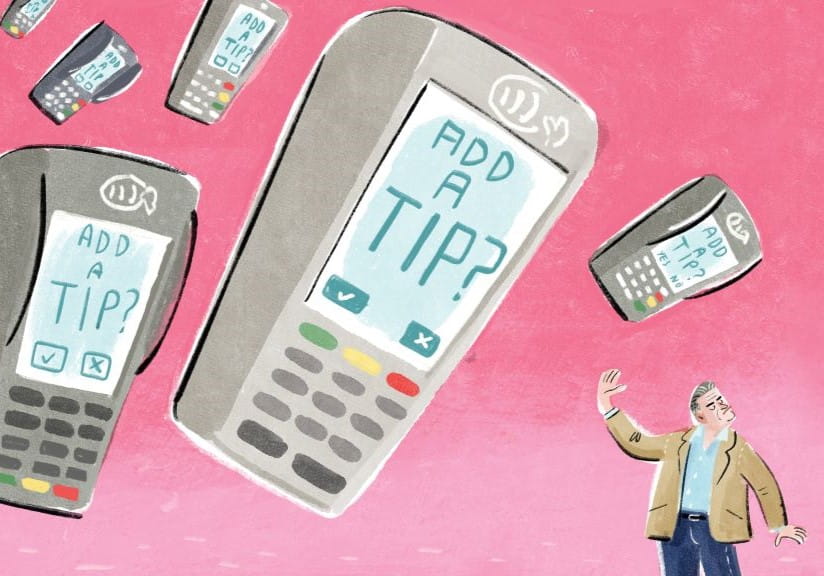
As predicted here in November, the £100 limit on contactless card payments will be scrapped this month.
From 19 March, banks will be free to raise the limit to any amount or have no limit at all. If you want to keep or even reduce the limit on your card, just tell your bank to do that. If it refuses, complain and consider switching banks.
If you lose a contactless card, your bank should reimburse you for any loss, even after the change.
(Hero image credit: Getty)



Get your money moving with our great rate.
In partnership with NatWest. Interest paid monthly. Available to UK residents 18+ only.
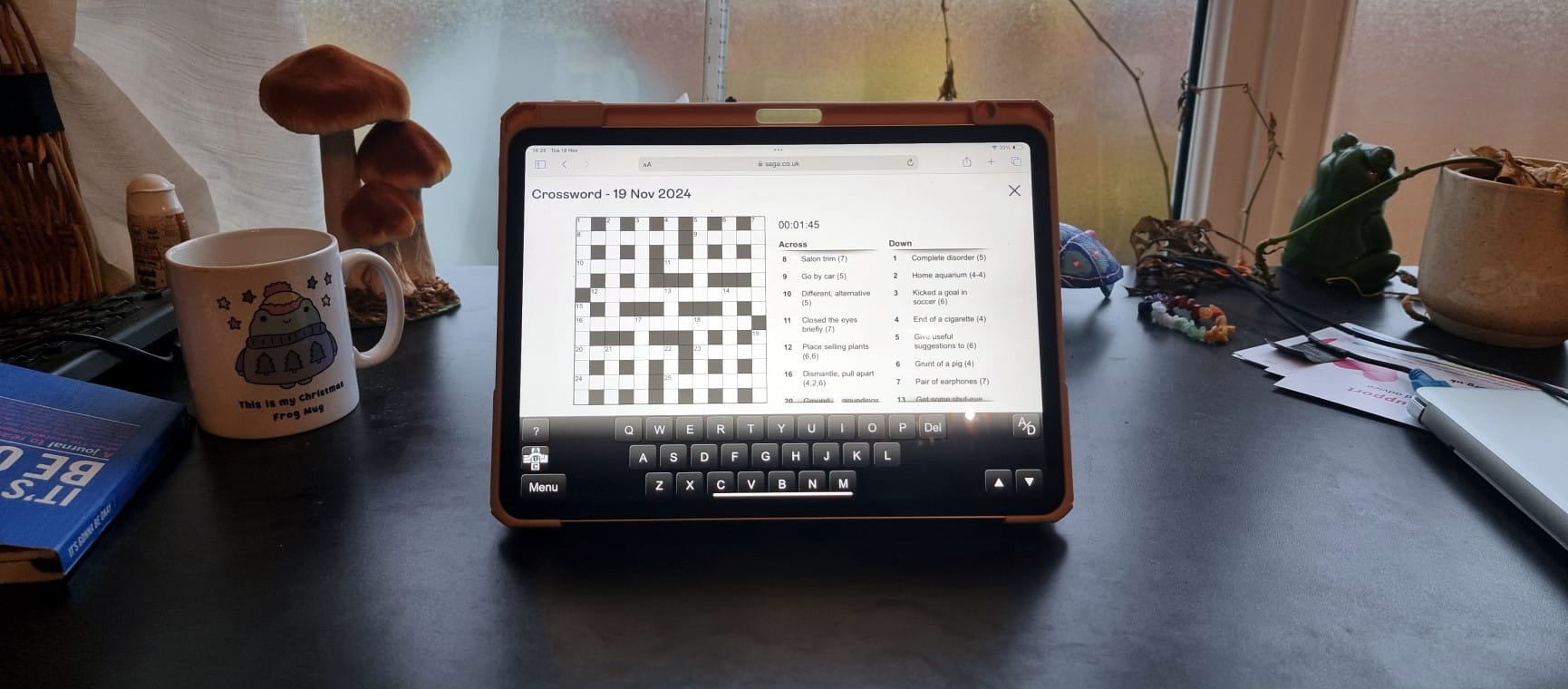
The ultimate guide to Saga Puzzles, full of technical tips, tricks and hints.
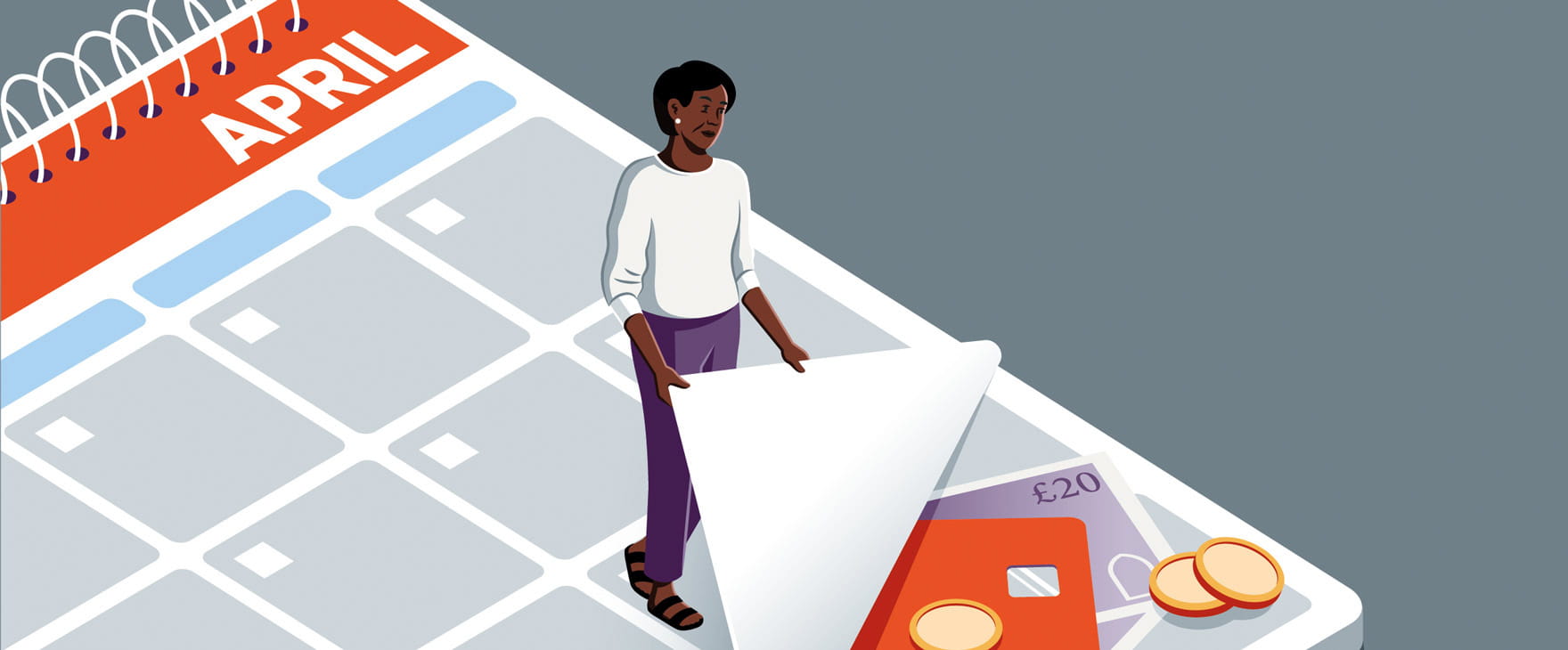
With the start of the new financial year on 6 April, our money expert explains the changes to your pension, benefits and taxes.