Shutterstock/ Fred Duval
This article is for general guidance only and is not financial or professional advice. Any links are for your own information, and do not constitute any form of recommendation by Saga. You should not solely rely on this information to make any decisions, and consider seeking independent professional advice. All figures and information in this article are correct at the time of publishing, but laws, entitlements, tax treatments and allowances may change in the future.
Speculation is swirling as the government prepares to unveil its latest Budget. There are already strong rumours about a rise in income tax. But with a gap of around £30 billion between government spending plans and projected income, more tax rises and threshold freezes are on the table, and whispers of sweeping reforms to inheritance tax (IHT) are growing louder. Will the chancellor opt for bold changes that reshape how wealth is passed down, or smaller tweaks that leave current rules largely intact?
This article dives into the latest rumours and expert predictions about what the Budget could mean for inheritance tax - as well as other key changes that are being discussed.
What’s on this page?
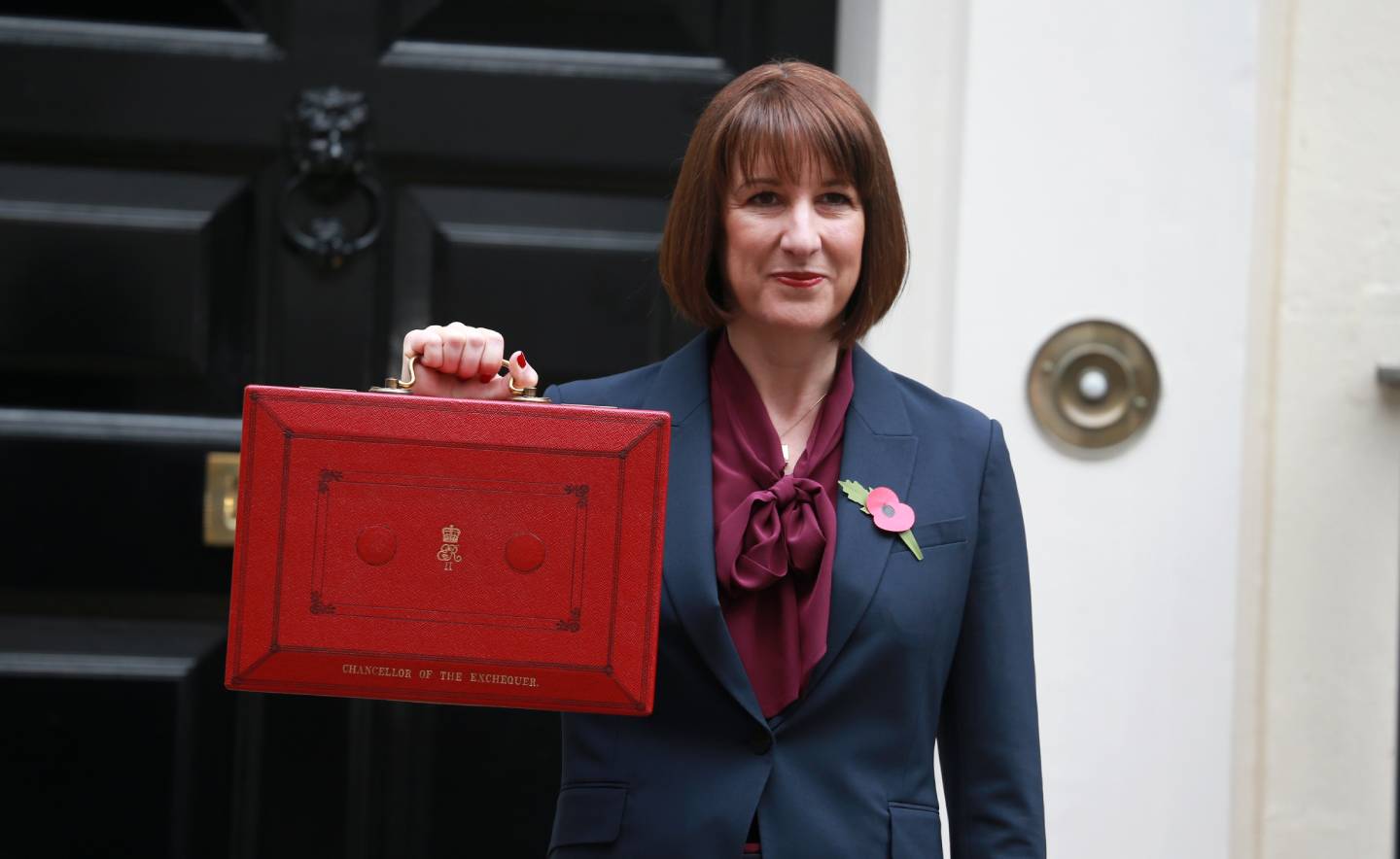
It’s thought that chancellor Rachel Reeves may make changes to inheritance tax (IHT) in the Budget, to bring in additional revenue for the Treasury.
These changes could include:
None of these changes are confirmed at this stage. Shaun Moore, tax and financial planning expert at Quilter, believes that making moves to modernise inheritance tax could be a real ‘rabbit out of the hat’ moment at the Budget.
“Despite IHT historically being paid by a relatively low proportion of the nation, it is a tax that many people find egregious and the tax take and number of families impacted by it have risen exponentially in recent years thanks to the frozen thresholds. Changes to simplify and modernise it could garner the government some support, but changes to rake in even more via an already hated tax would be a bitter pill for the public to swallow.”
From April 2027, the tax treatment of pensions is already due to become much less generous. Not only will inherited pensions be brought into the scope of IHT, beneficiaries could also have to pay income tax on their withdrawals from the inherited pot – meaning inherited pensions could face two rounds of tax. These changes have reportedly led to a rise in gifting spare cash to loved ones. But IHT rules could become stricter here, too.
Jason Hollands, managing director at wealth platform Evelyn Partners, says clients are already focusing on making lifetime gifts to their children and grandchildren rather than leaving money in a pension. He adds he wouldn't be surprised to see measures to overhaul the IHT gifting regime in the Budget, or perhaps a consultation launched.
“With the shift to gifting, you can see there must be a temptation for our cash-strapped government to narrow the gifting escape route from IHT by overhauling the current patchwork of allowances.
“The options here could entail a radical overhaul that sweeps away all current allowances and introduces a lifetime gifting allowance, or more selective measures such as extending the seven-year rule to a longer period such as 10 or 12 years, or removing the regular gifts out of surplus income allowance which has no cap.”
The scrapping of the ‘residence nil rate band’ (RNRB) has also been floated, although this is speculation at the moment. The RNRB has been in place since 2017. It offers an extra allowance of up to £175,000 if you leave your home to your children or grandchildren. That’s on top of the main main nil rate band (NRB) for inheritance tax, which has been £325,000 since 2009. This means that together a couple who are married or in a civil partnership have an inheritance tax allowance of £1m.
If the RNRB were to be scrapped, some believe the allowances may be reconfigured rather than reduced overall. Moore at Quilter believes that while scrapping the RNRB entirely would result in a boost to coffers, it would be at the risk of a hugely disgruntled public.
“The RNRB has been criticised for its complexity and restrictiveness as its application depends on a variety of factors. It is also sometimes unable to be applied to more modern family dynamics, as it can only be used to pass on a home to direct descendants, so a single person with no children could not use it to pass on their home to other relatives or friends,” he says.
Moore adds an alternative change to IHT could be to scrap the RNRB in favour of increasing the core NRB to £500,000, even if this won’t raise any money for the chancellor. “This would serve to remove complexity from an area of taxation desperately in need of simplification, while not costing the government a huge amount over the long term.”

Dividend tax rates could be increased to raise £2 billion, it’s been reported. Rachel Reeves is reportedly considering raising the basic dividend tax rate to 12.75%, up from the current 8.75%, according to the Telegraph.
The Treasury is also reportedly looking at cutting the dividend allowance, which is currently £500 per tax year, having been reduced from £1,000 in April 2024 and from £2,000 in April 2023.
A cut to the annual cash ISA allowance has been widely trailed. The Treasury was considering cutting the annual cash ISA allowance to £4,000 earlier this year. This cut was thought to be too harsh. Rachel Reeves is now considering a cap of £12,000 a year, according to the Financial Times.
The government believes more savers should consider investing more of their long-term savings in the stock market and aims to encourage moving people away from saving into a cash ISA as a default.
Read more: Should you open a stocks and shares ISA?
There were rumours the Treasury was considering reducing the 25% tax-free cash allowance from its current maximum of £268,275. This led to a rush of people accessing their tax-free cash.
But this week, it is being widely reported that the government does not plan to cut pension lump-sum withdrawals after all.
.jpg?la=en&h=550&w=1440&hash=D75E80A351D1CBC72428B436C3C3EE4F)

Get a FREE review of your will, with Saga Legal. T&Cs apply.

Regularly giving away your spare cash can help with inheritance tax planning, but there are strict rules to follow.


Learn the crucial details of the pension tax & discover how it will work in practice.

We separate fact from fiction and outline the sensible steps you can take now.