Tipping: Who do you tip and how much?
Our Saga poll reveals the trades we still tip, how much we leave and why tipping prompts on card machines are proving so unpopular.
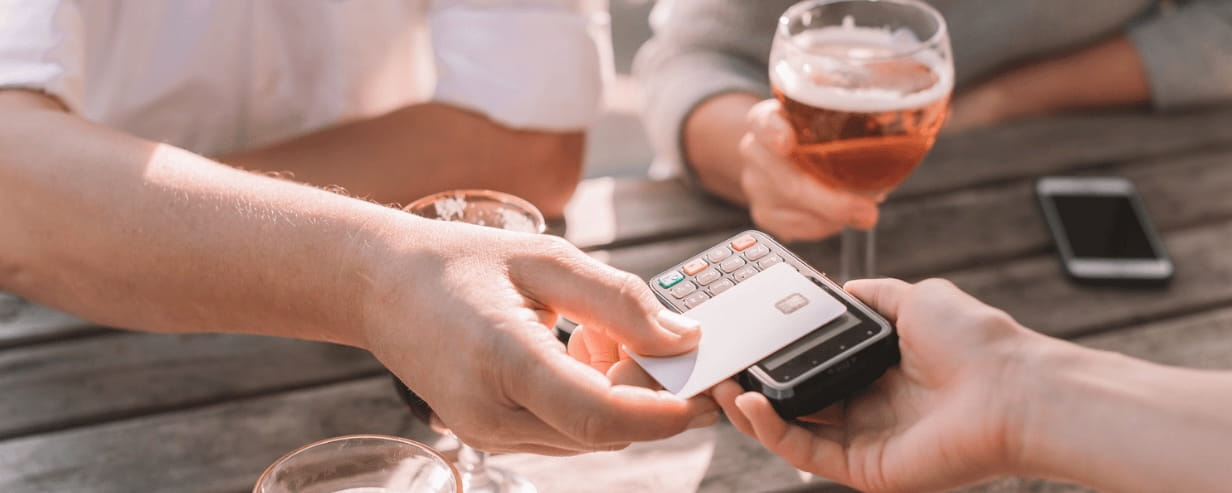
Our Saga poll reveals the trades we still tip, how much we leave and why tipping prompts on card machines are proving so unpopular.
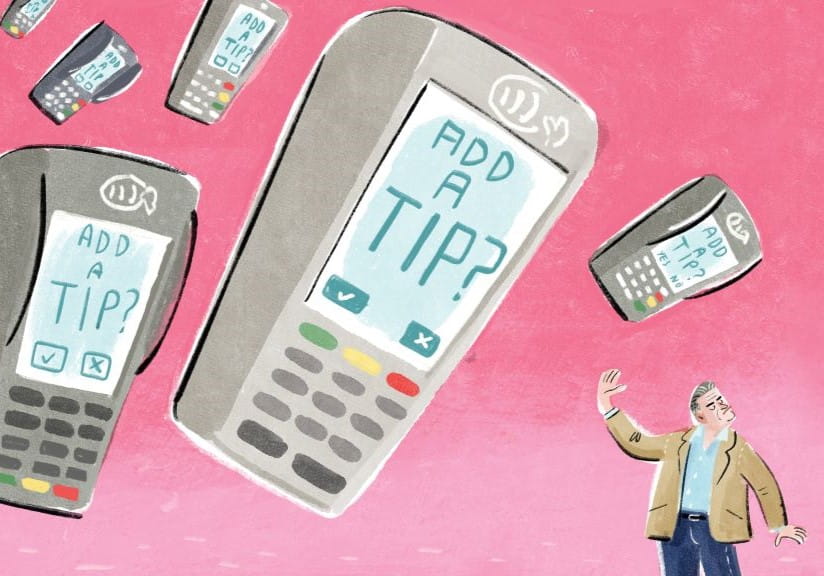
It’s no wonder Americans think we British are stingy when it comes to rewarding service. On a recent trip to New York, I discovered that many restaurants now expect a 25% tip (rather than the 10% I begrudgingly hand over in the UK), while coffee-shop card-payment machines were prompting me to add a 20% tip just to walk away down the street with my flat white.
Though tipping apparently began in Tudor England as a way for visiting nobles to reward their host’s servants, it only really took off on a wider scale in America in the late 19th century (one theory is that such largesse made the pioneers feel like nobility).
Here in the mother country, we continue to be more restrained, and Saga customers are no exception.
In our survey of almost 3,000 people:
Saga’s female customers are slightly more generous tippers than the men.
And our older customers are more likely to tip, especially when it comes to their hairdressers. The youngest, in their 50s, were the least likely.
There’s no doubt that tipping is deeply cultural (American consumers routinely tip 30 different types of service provider, while Icelanders don’t tend to tip anyone).
But why do we do it? For Saga customers, it’s not to make themselves feel good – only 37% say it’s because they like to feel generous. People’s usual motivations, say researchers, are rather more murky.
Professor Michael Lynn, from Cornell University in the US, who has spent his professional lifetime studying tipping, says it’s often to conform to social norms. He believes that the more extroverted the culture, the more often – and the greater the amount – people tip.
There’s also the matter of rewarding the poorly paid. In the US, the minimum hourly wage in some states for workers who receive tips is an unbelievably paltry £1.58. Our waiters (over 21) earn a minimum of £12.21.

However, despite the disparity, consumers in the UK feel under increasing pressure to tip.
Marketing expert Dr Shynar Dyussembayeva of the University of Portsmouth says: “Every year, we seem to get more like the US. Tips are increasing and you frequently see an optional service charge of 10%, too – sometimes 12.5% or even higher in London. People are not happy.”
Saga customers agree: 77% don’t like it when service charges are added automatically. Yet 40% pay them anyway, with up to half not realising you can remove the charge and add a tip of your choice – in cash if you prefer.
79% of our respondents don’t like the recent trend of tip prompts on card-payment machines in coffee shops and takeaways.
Respondents said it was more likely to make them feel pressured, and 30% were less likely to tip after such a prompt.
That doesn’t surprise Dr Dyussembayeva, who put this theory to the test in a restaurant: “What my research found is when you ask if someone would like to add a gratuity, people are actually less likely to tip because of 'psychological reactance' – essentially, the more we are forced to do something, the less we’re likely to do it.”
If the waitress hovered nearby, then the diner was more likely to say yes – although they felt pressured and annoyed, and were less likely to go back.
She says restaurants with an eye on US tipping should take note: “We are happy to tip in the UK but we don’t want to be forced.”
What do you think? Join the conversation by emailing your thoughts to us at editor@saga.co.uk
(Hero image credit: Getty)


Including exclusive savings for Saga Magazine subscribers, and a special discount of up to 10% when you book two or more cruises back-to-back.

This year, Saga is celebrating an incredible 75 years – and we’d love you to be part of the celebrations. For a limited time only, you can subscribe to Saga Magazine for just 75p an issue.
Receive the next 6 print editions delivered direct to your door, plus 6 months’ unlimited access to the Saga Magazine app – perfect for reading on the go.
Try these simple tips and fixes for Saga’s crossword, sudoku and codeword puzzles.
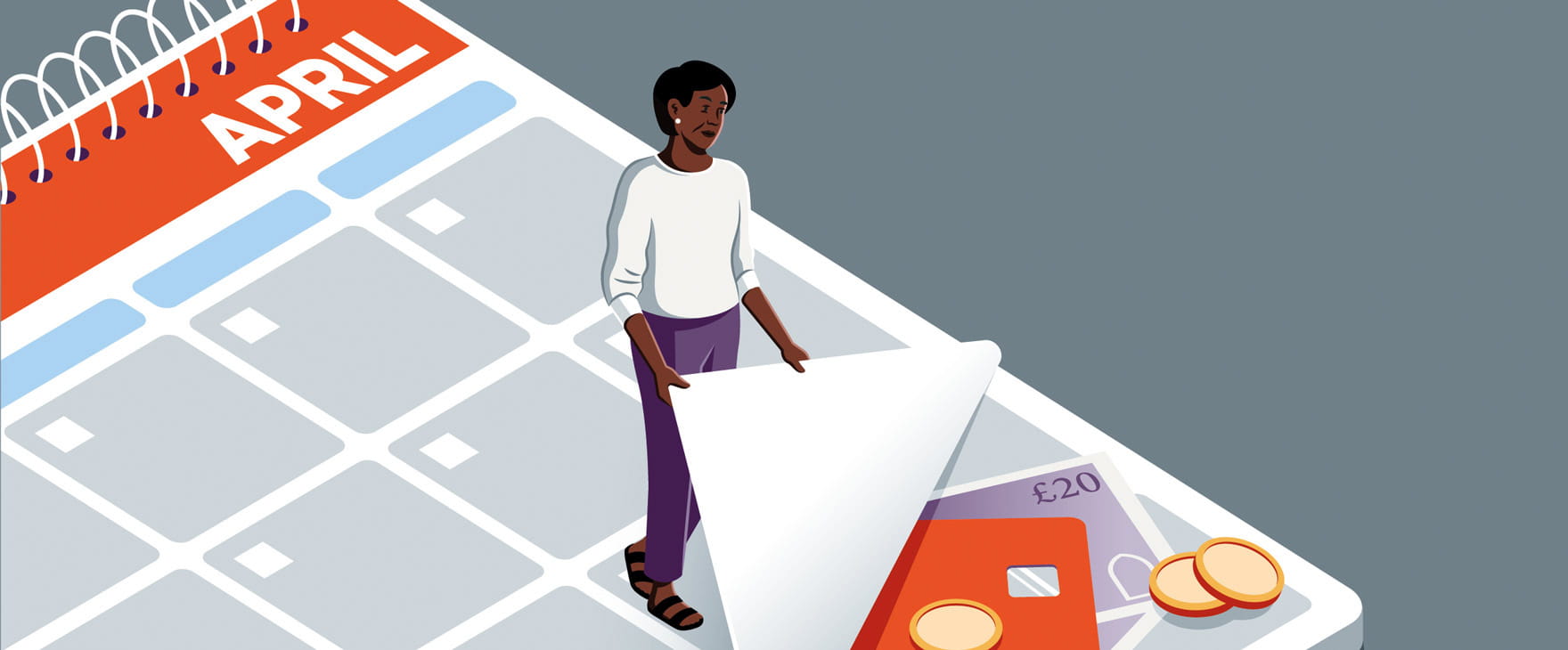
With the start of the new financial year on 6 April, our money expert explains the changes to your pension, benefits and taxes.