Shutterstock / Victoria Jones
This article is for general guidance only and is not financial or professional advice. Any links are for your own information, and do not constitute any form of recommendation by Saga. You should not solely rely on this information to make any decisions, and consider seeking independent professional advice. All figures and information in this article are correct at the time of publishing, but laws, entitlements, tax treatments and allowances may change in the future.
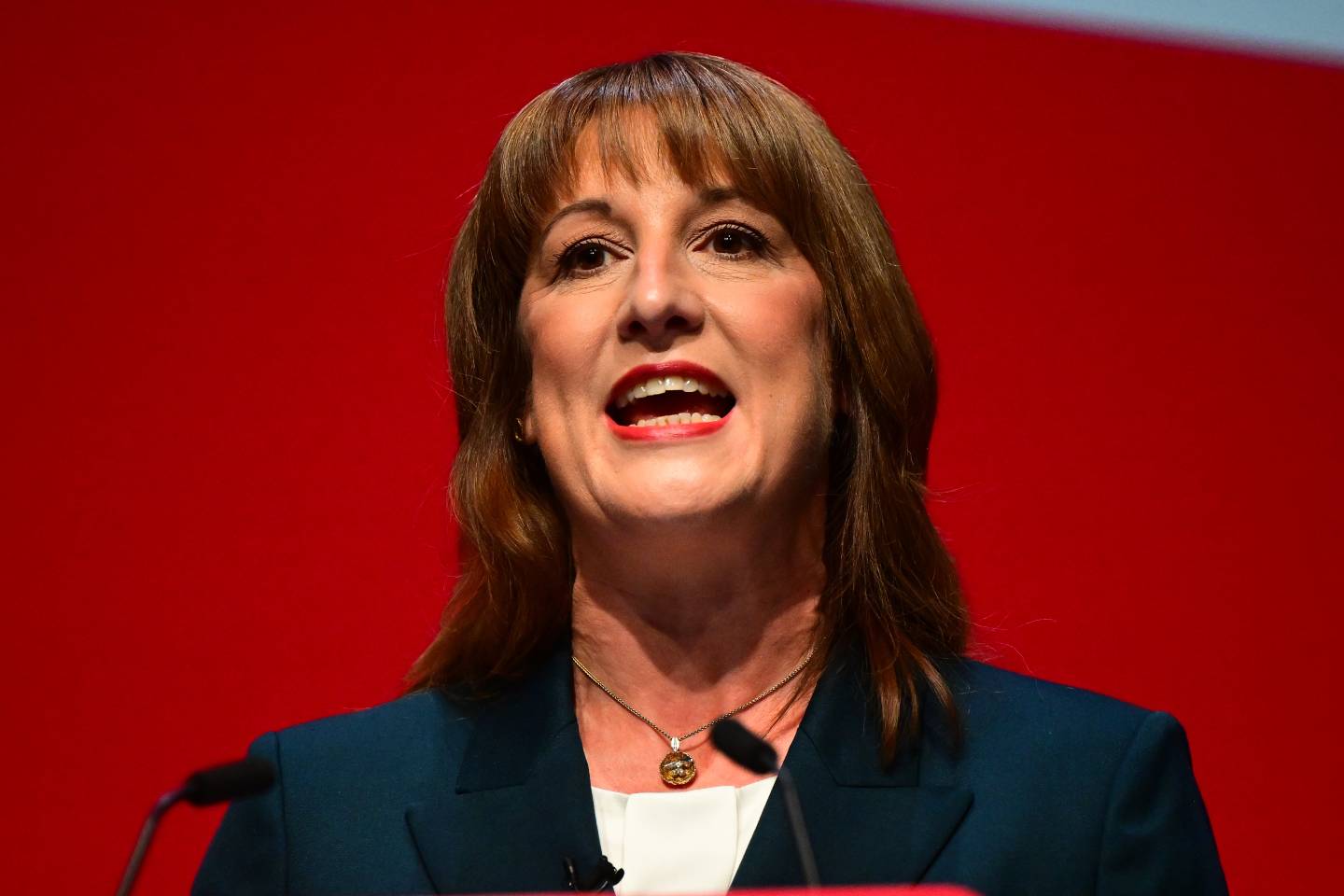
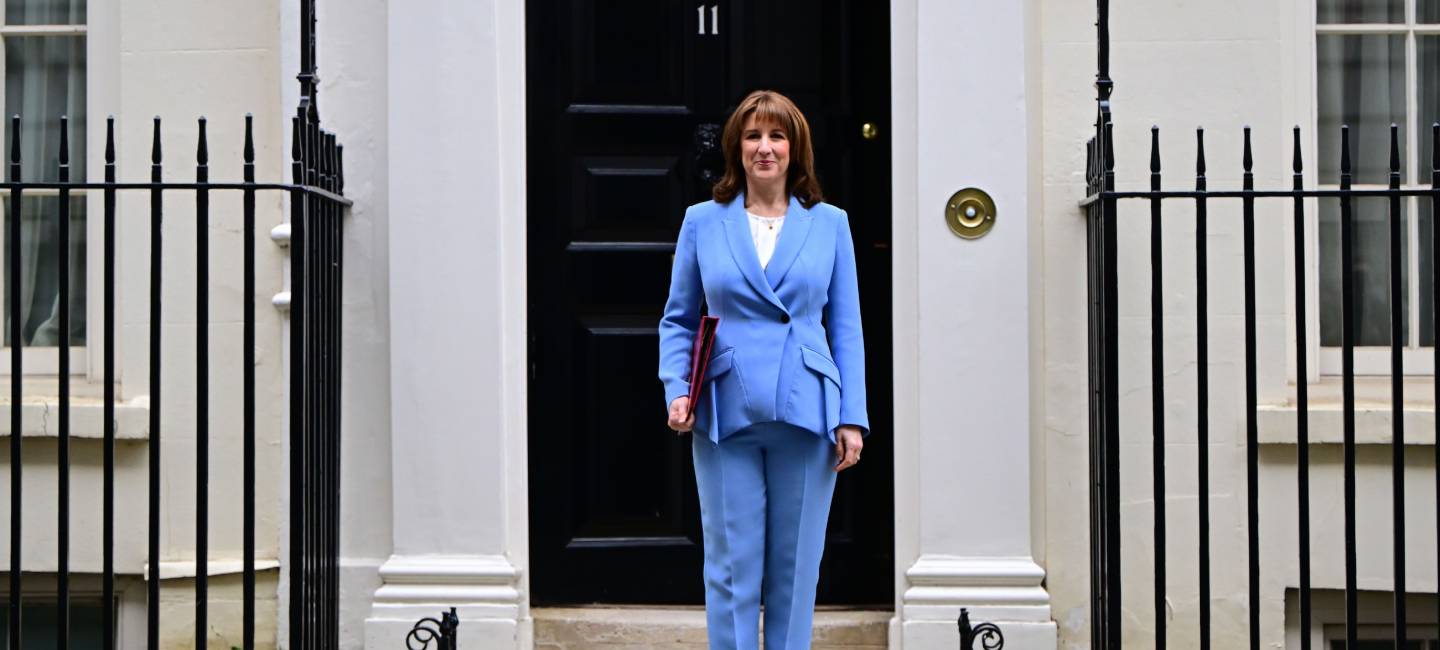
It was intended to be a steady, reassuring afternoon in the House of Commons. Chancellor Rachel Reeves stood at the despatch box to deliver a spring statement designed to project calm, competence and a path to long-term prosperity.
Yet for many watching from home, the chancellor’s words may have felt detached from the breaking news scrolling across their screens. While the government focused on domestic stability, the escalating conflict in the Middle East cast a long shadow over the UK’s economic prospects.
We’ll explain what this means for your bills, savings, mortgage and pension.
The forecasts from the Office for Budget Responsibility (OBR), released alongside the statement, are a case of short-term pain for long-term gain.
The OBR has downgraded its expectations for the UK economy for the remainder of this year. Growth is looking lacklustre and the jobs market expected to remain tough. Unemployment is forecast to rise throughout 2026.
The forecast brightens from 2027 onwards, with growth predictions upgraded to be higher than those made last autumn.
Dan Coatsworth, head of markets at AJ Bell, says: “While the numbers are generally pointing in the right direction, it still feels like we’re watching progress in slow motion. The OBR’s new forecasts indicate a more lacklustre economy near-term, meaning the UK continues to be stuck in the mud.”
Many of the OBR’s forecasts are already out of date, because the Middle East conflict means that energy prices and gilt yields have changed.
One new development in the OBR forecast is the estimate that the UK tax take will hit a record high of 38.5% of GDP by 2030/31. This is a slight increase on their forecast in November (when it was expected to hit 38.3%). The rising tax as a share of GDP is being driven by higher personal taxes, mainly because of frozen tax thresholds. The other factor is higher taxes on capital (assets), based on an assumption of healthy asset price growth and increasing taxes on assets.
The UK economy doesn’t exist in a vacuum. Markets were largely indifferent to the chancellor’s speech, reacting instead to the surge in oil prices caused by the conflict in the Middle East.
This matters for your wallet because energy costs can be a major driver of inflation. If oil prices remain high, the cost of petrol at the pump, heating your home, and the transport of goods to supermarkets will all rise.
Emma Wall, chief investment strategist at Hargreaves Lansdown, says: “There are echoes of the 1979 Iranian revolution, which not only caused a significant shift in geopolitics... but also resulted in an oil crisis which saw the price of crude double over the course of a year, higher global inflation and slower economic growth.”
But more optimistically, she adds that while prices are higher now, the consensus is that the disruption could be ‘transitory’ and that prices could return to normal levels within weeks if tensions de-escalate.
The New Economics Foundation said that the government may need to provide help with energy bills, if oil and gas costs surge. George Bangham, its head of social policy, says: “If the Iran war leads to an energy price shock in Britain, households and businesses won’t be able to afford the pain and the Treasury will have to step in to help.
“The government should immediately prioritise building a better crisis infrastructure for energy costs, that at the very least supports the most vulnerable households with big rises in energy bills.”
The Bank of England base rate has been cut six times since August 2024, and it was widely expected to be cut again in March. Today’s developments may have pushed that timeline back.
If inflation threatens to flare up again due to oil prices, the Bank of England will be hesitant to lower rates.
For savers: This could be a ‘silver lining’. If rates stay higher for longer, the returns on cash ISAs and fixed-rate bonds may hold up better than expected. It might be wise to review your cash savings now to ensure you aren't languishing in a low-interest account.
For borrowers: Those with mortgages or debt will find this frustrating. The market is now struggling to price in even a quarter-point cut in the near future.
Faye Church, senior planning director at Rathbones, explains: “A sustained spike in oil can ripple through the economy via higher fuel and transport costs, feeding into broader inflation and potentially keeping interest rates higher for longer than markets would like. That matters because it influences the pace of rate cuts and, in turn, mortgage rates, savings returns and the cost of borrowing.”
Whilst no major changes had been expected in the spring forecast, there is always anxiety about potential raids on pension tax relief or the tax-free lump sum. No changes will be a relief to many.
Faye Church says: “Notably, the Chancellor offered only silence on pensions, with no policy changes or updates unveiled – a reprieve of sorts after the scale of uncertainty surrounding the pensions regime in the run up to last year’s Budget.”
This stability allows retirees to plan with the current rules in mind.
Alarm about the Middle East crisis has hit stock prices on the FTSE 100. This is driven almost entirely by global events rather than the chancellor’s update. It can be tempting to react to headlines by moving investments to cash, but history suggests that panic is rarely a good strategy.
As the dust settles, here’s what you should keep an eye on:


We partner with Co-op Legal Services to offer advice and services for you and your family.

Discover how expected changes to Bank of England interest rates in 2026 could affect your mortgage, savings, and pension planning.

Read our expert guide to keeping more of your savings away from HMRC.


If you’re entitled to pension credit, you can also unlock other cost of living help.
.jpg?la=en&h=354&w=616&hash=BE59986E855569FEC6926261D767F978)

Find out the cost and benefits of voluntary NI contributions.

Delays in HMRC tax letters plus higher interest rates mean savers are at risk of surprise bills

.jpg?la=en&h=354&w=616&hash=8F1C902484B56EB0A153365B51BD4EBA)
See if you can claim, check rates, and learn how to claim.