Dr Hilary Jones: “I wouldn’t want my children to be doctors now”
TV’s Dr Hilary Jones on how the role of doctors has changed and why he wants sweeping reform to modern healthcare.
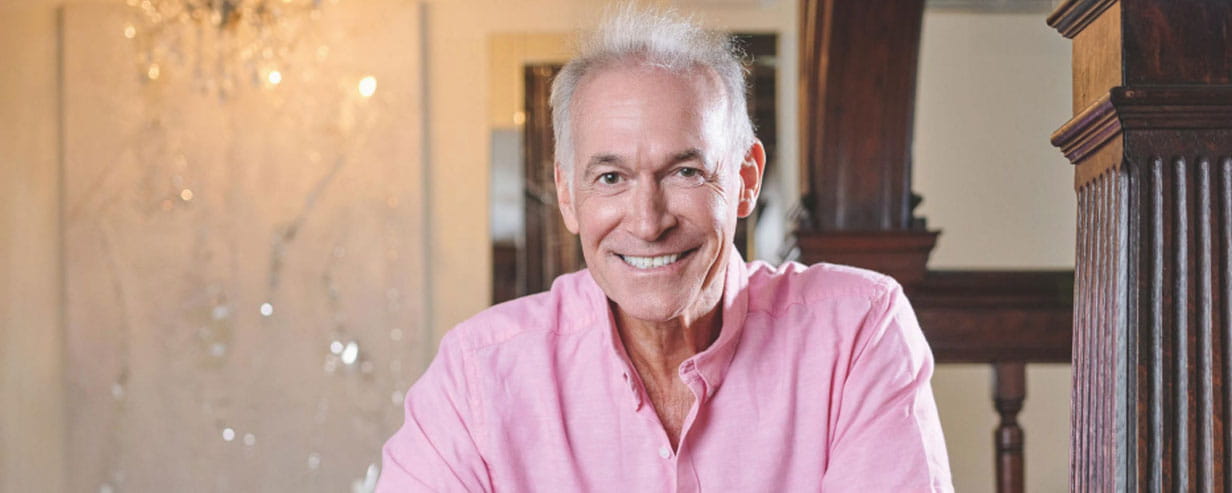
TV’s Dr Hilary Jones on how the role of doctors has changed and why he wants sweeping reform to modern healthcare.
Whatever happened to the doctor’s boast: “My father was a doctor before me, his father a doctor before him”, and so on? Where has the guarantee that at least one of a medic’s offspring would follow in their footsteps gone?
Of course, there is still fierce competition to study medicine – a 3:1 ratio of applicants to places – but noticeably less interest from the sons and daughters of existing doctors, many of whom have fallen out of love with the idea of this career.
And today, sadly, I admit I would no longer be encouraging my children to follow me. Don’t get me wrong, I’ve had the most amazing career. But I qualified in 1976 when things were very different.
It used to be that a career in medicine was seen as noble and altruistic.
A doctor was considered a pillar of society, a highly trained professional who commanded respect.
They were social worker, counsellor, confidante and physician rolled into one, and the job promised stability and security.
When I began working as a GP, I would see patients on my personal list the same day, delivering some as babies and holding the hands of others through terminal illness.
Doctors carried out house calls day and night, at weekends and during bank holidays, and we got to know those in our care, along with their families, their occupations and their living conditions, all of which would inform us how to treat them.
The care was holistic, the art of healing woven with science. And the doctor-patient relationship was bonded by consistency and trust.

There was no computer dominating the doctor’s desk like an unemotional monolith obscuring a patient’s view. I have many memories of seeing patients in the middle of the night, following heart attacks or strokes, or showing early signs of meningitis or sepsis, and requiring immediate treatment. Often, we arrived at their bedside long before an ambulance. We were also able and willing to see them again the next day, or several times to monitor progress.
How many have died in recent years because a series of different doctors seeing a patient for the first time had no knowledge of their history? I have interviewed bereaved families on TV devastated by this increasingly common failing.
We used to do much of the work that A&E now has to do, but the job satisfaction was immense.
My medical qualifications were also a passport to incredible experiences. I was a single-handed medic on the most isolated inhabited island in the world, Tristan da Cunha, and later worked with the oil industry in Shetland. And being a doctor took me into broadcasting, too, while still practising as a GP.
It was sometimes exhausting, but it was also exciting and fulfilling. Medics worked in close-knit teams watching each other’s backs, and we really did save lives. Plus, we had a lot of fun.
Today I wonder where the fun can be found. In October last year, 28,000 full-time GPs and their staff did 40 million consultations in England alone.
(Hero image credit: Eyevine)

Subscribe to Saga Magazine from just £4.95 and read the rest of this article in the Saga Magazine app. You’ll get access to our digital archive of over 40 back issues, plus the current edition.


Buy direct and start a new Saga Health Insurance policy by the end of 10 December 2026 to get your first 3 months free. T&Cs apply.
Underwritten by Bupa Insurance Limited.

Are you retiring at the wrong age? The best age to retire for your body, brain, happiness and pocket.


Everything you need to know about the lung infection, and how you could be ill with “walking” pneumonia without realising it.

Strong calves for a strong mind: how they support our circulation and brain health, with easy moves to strengthen yours at home.


Our GP Dr Mark Porter explains what can cause itchy skin, which is a common problem as we get older.

Worried you’ve morphed into Victor Meldrew? Find out how to battle that bad mood, and what to do if you’re stuck with a grouchy loved one.

The benefits of heat and cold therapy, and how Nordic bathing won over our nervous writer.

Here’s how to spot the symptoms of heat disease and reduce your danger.


Everything you’re entitled to this year, when you can have it, and the gaps that remain.
Pilates for back pain – what to do if you are suffering, and five gentle exercises that could help.

Dizziness or vertigo: a sensation of spinning, can stop us doing everyday things for fear of falling. Try these tips to stop feeling dizzy


You don’t have to put up with bladder leaks. We try out the latest pelvic floor gadgets for men and women.

Cataracts are a normal part of ageing. Learn how to spot the signs – and when it’s time to consider surgery.