Jobs for the garden in October
Autumn is now one of the best times to plant. Here's what to sow, divide, harvest and protect in October.
Getty/Iuliia Zavalishina
Autumn is now one of the best times to plant. Here's what to sow, divide, harvest and protect in October.
It may evoke the Med, but garlic needs a cold spell to develop sizeable heads, so plant this month or next. Choose from two types: softneck and hardneck. Hard-neck types are the hardiest with large cloves and a strong taste but shorter storage life – try ‘Kingsland Wight’. Soft-neck types are better for long-term storage, with a milder flavour and more but smaller cloves – choose ‘Solent Wight’ or ‘Germidour’.
If you grow in a damp, cold spot, plant cloves into small pots and replant in the ground next March.
Our increasingly dry springs make it tough to establish plants, especially woody shrubs and trees. So if you hanker for more fruit next year, or a statement summer shrub, such as deutzia, aim to plant it this month while the soil is warm and winter rains will water for you.
Bare-root fruit canes and young trees, or smaller shrubs in 2 to 3-litre pots, adapt quickly to new soil and demand less staking. They&re so much cheaper and generally establish better than mature plants with bigger root systems. For the best start, water well at the roots on planting, then give a regular can-full next year when rain is sparse.
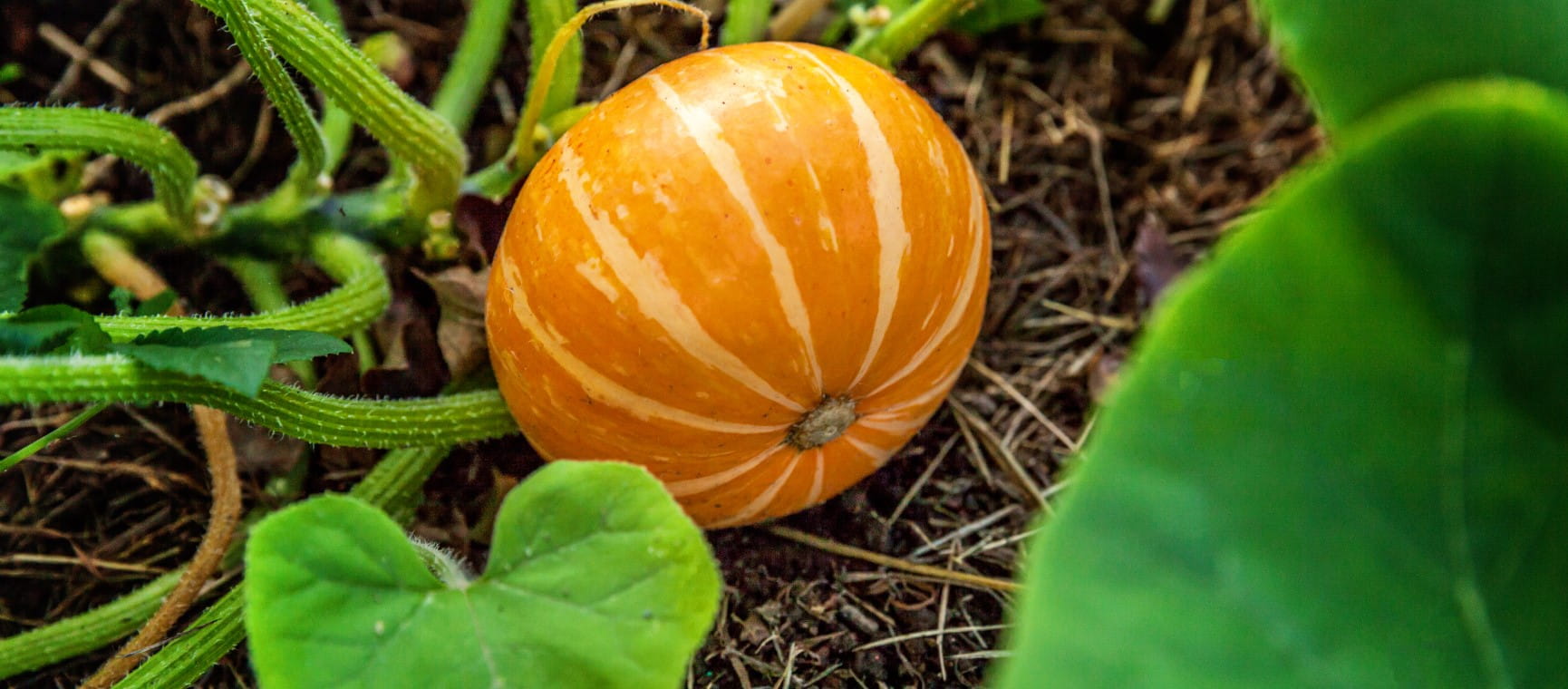
Buxom pumpkins are irresistible and the veg of the season. You can enjoy them for months if their skins are well ‘cured’, which means hardening them off in sunny, warm conditions.
Suitable fruit have a hard, sometimes cracked skin that sounds hollow when tapped, while any you can press your fingernail into aren’t mature, so eat those first. Harvest with 30cm of stem and stalk attached, to prevent rot at the neck, then move to a warm (over 20ºC), dry and bright place, turning so all sides see sunlight. The drier it gets, the sweeter the flesh.
If a clump of hostas underperformed this year, reinvigorate by splitting and replanting, as they’ll settle better in the warmer, damp soil of autumn than the drier conditions of spring.
The process is simple – plunge a sharp planting spade into the clump, creating smaller groups of at least five shoots, with roots and soil. Replant into prepared soil at the same height, watering well.
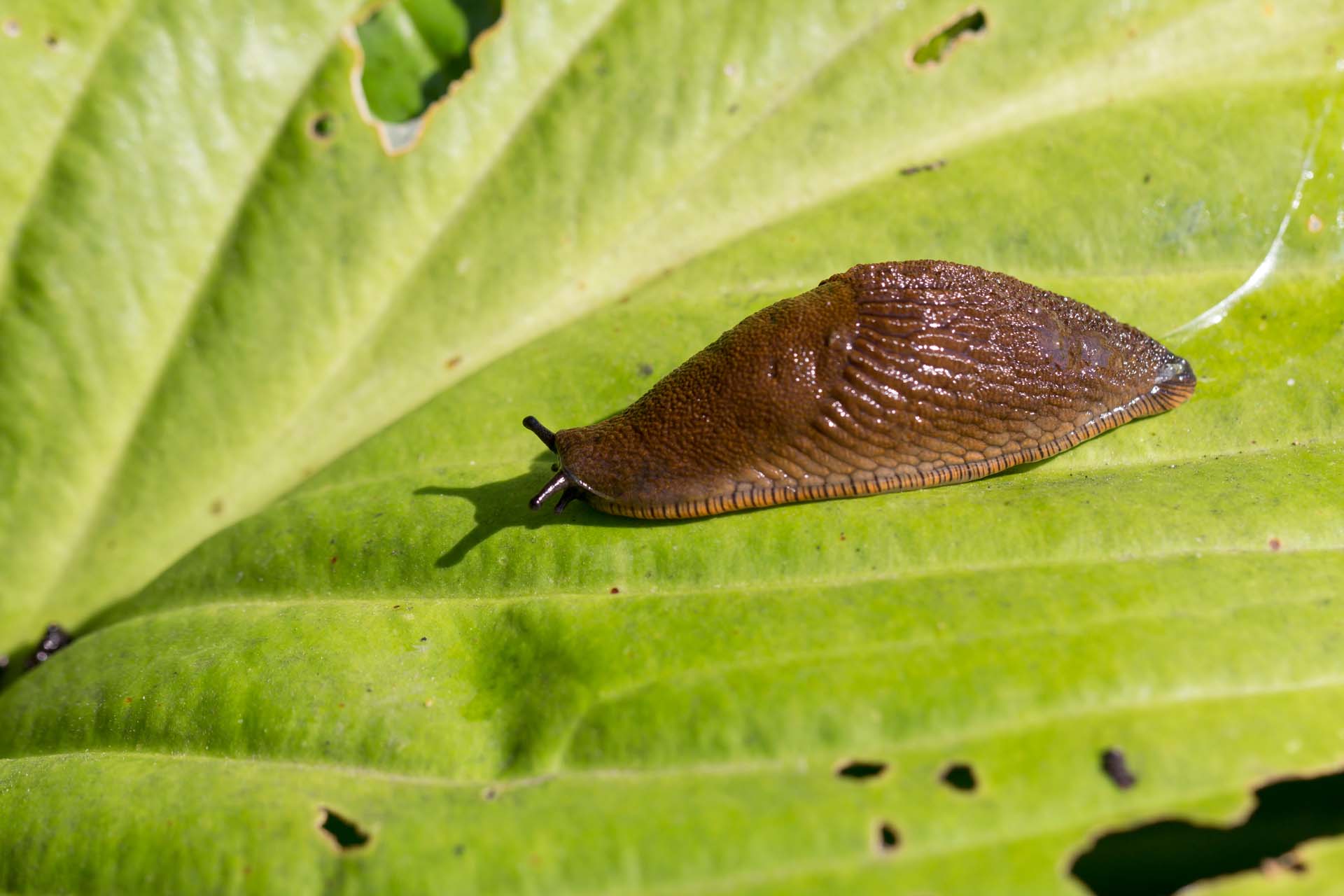
Protect from snails with an organic barrier, like recycled wool Slug Gone (Green Gardener, from £13.99).

By mid-month, your greenhouse tomatoes (plus any outdoors) will have given their best in this challenging year, so harvest what remains to ripen indoors or turn into chutney.
Cooler temperatures and lower light levels bring blight and mould, so cutting your losses frees up space for more productive use – growing salad leaves or herbs.
Scrub away lingering pests, algae or fungal spores from greenhouse windows and staging, using a citrus-based disinfectant, to avoid transferring problems to overwintering plants.
Before bringing new pots under cover, check the top few inches of compost for vine weevil grubs.
Where the forecast falls sub-5 or 6⁰C, protect tender andborderline hardy plants. Potted plants – notably Salvia ‘Amistad’, pelargoniums and young olives – are more vulnerable than those in the ground. Shield from rain, as it’s winter damp not cold that causes most damage.
While gardens in the west are at risk from the wet, cold gales across eastern counties raise the risk of damaging windrock. Here, top-heavy shrubs, such as buddleia, should be cut back by a third and climbing roses firmly tied in to ease the risk.
Leave borderline tender perennials like penstemon uncut until spring, to protect their crowns.

The great autumn tidy-up may once have been a seasonal ritual, but we now know that dead stems, seedheads and fallen leaves have huge wildlife value, so any ‘tidy’ needs to be more considered.
Prioritise clearing away fallen leaves with fungal spores, such as blackspot-affected roses, plus any on lawns or paths – and leave the rest where they fall, as valuable leaf litter for winter shelter.
Remove lank, straggly foliage to the compost heap, but leave upright stems and seedheads for winter – supporting with a cane, if needed. Insects, beetles and birds will use them for hibernation or food.
Once border dahlias are blackened by frost, cut down to a short stem and cover with 10-15cm of mulch.
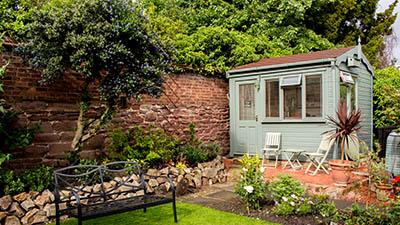

Do you have insurance for your outbuildings? Make sure you have the right cover for the structures in your garden.

Your chance to win cruise for two to Cádiz, Casablanca and the Canary Islands, worth more than £9,600.
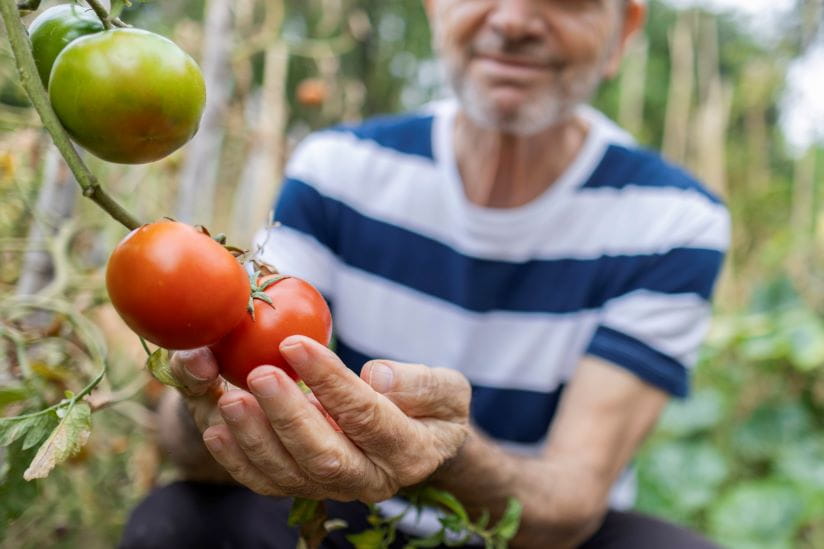
Rekha Mistry shares her top vegetables to grow in your garden all year round.

We explain the science and have 7 of the best scented plants for your garden.
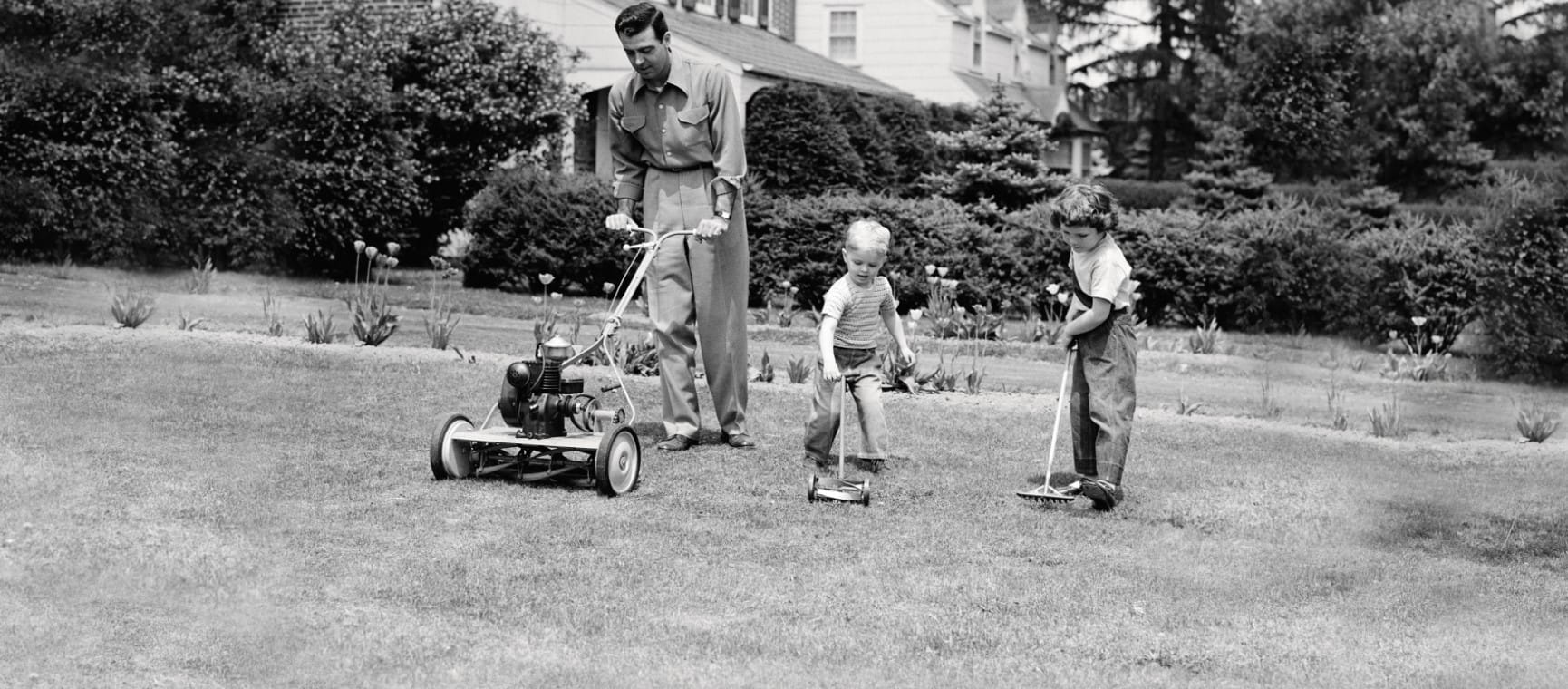
From robot mowers to electric pruning shears, spruce up your outside space with four of the best garden gadgets
Our expert pruning and watering hacks include a top tip to keep them flowering from Alan Titchmarsh.

The experts explain the best ways to look after our feathered friends.
Blighted by buzzing? How to keep wasps out of your garden without harming them so you can enjoy the summer.
Expert advice on how to avoid neighbour disputes, fines or even prosecutions.
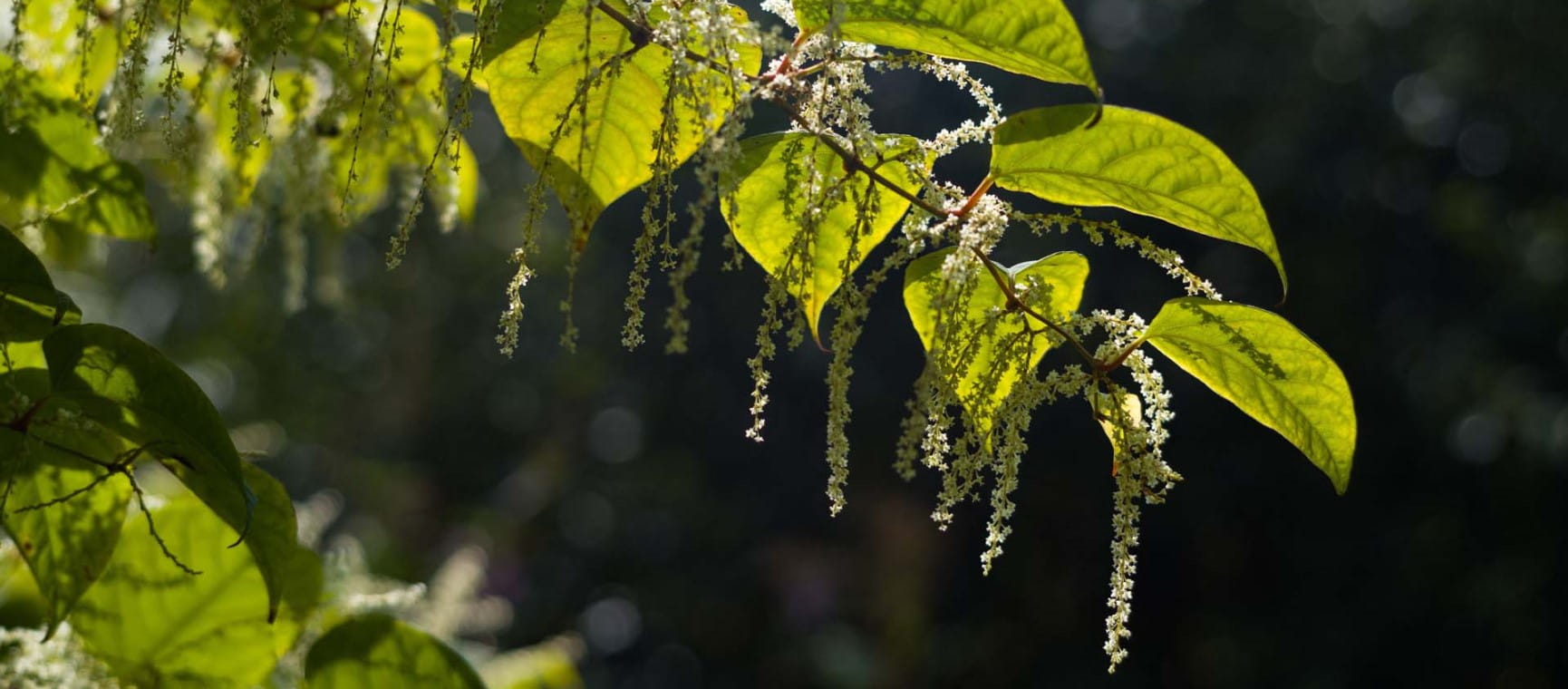
Everything you need to know about Japanese knotweed, the fast-growing plant nobody wants in their garden.