The surprising health benefits of potatoes - why they are better for you than you think
From fibre and vitamin C to potassium and resistant starch, experts explain the health benefits of potatoes and why the way you cook them is so important.
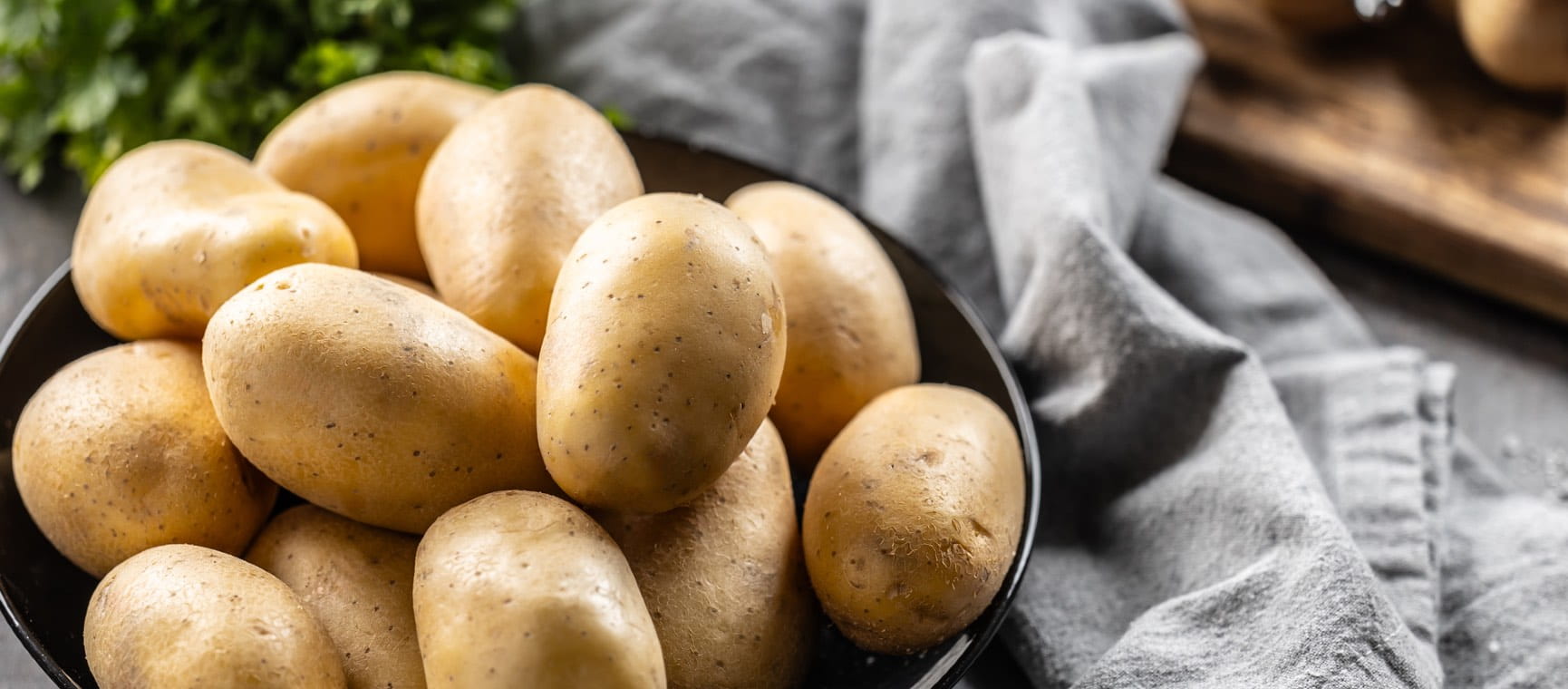
Poor old potatoes. Once the pride of the British plate, they’ve somehow ended up on the nutritional naughty step.
Too starchy, too heavy, too high in carbs. But while the humble spud may have fallen out of fashion, it still has plenty to offer when it comes to our health.
Far from being an empty filler, potatoes are packed with fibre, vitamin C and potassium – nutrients that support heart health, digestion and muscle function.
And when they’re cooked in the right way, taters can be a satisfying, balanced part of any meal.
Over the past two decades, the spud has taken the brunt of our collective carb-phobia. Low-carb and keto diets made bread and pasta the villains, and potatoes were quickly bundled in too.
“Potatoes have been unfairly labelled as ‘bad carbs’, mainly because of their high glycaemic index,” says Natalie Louise Burrows, nutritionist and clinic director of Integral Wellness. “This means they can cause a rapid rise in blood glucose when eaten alone, especially if overcooked or mashed.”
Burrows explains, however, that it’s important to look at the bigger picture: potatoes are a natural, whole food, and their impact on blood sugar largely depends on how they’re cooked, how often they’re eaten and what they’re paired with.
“It’s not that potatoes are inherently bad. It’s that we tend to eat them in less-than-ideal ways – for example, as chips or creamy mash, rather than as part of a balanced meal rich in fibre, protein and healthy fats.”
So, if the issue isn’t the potato itself, what do we stand to gain by putting them back on the menu?
Per gram, potatoes actually beat bananas as a source of potassium, a mineral that helps regulate blood pressure, fluid balance and muscle function.
For anyone keeping an eye on their heart health, that’s good news.
Potatoes might not be the first food that springs to mind when thinking about vitamin C, but they provide a decent dose, especially when freshly cooked.
Vitamin C supports immunity, skin health and the absorption of iron from other foods, so pair your potatoes with spinach and steak to help your body make the most of that iron while enjoying a hearty, balanced meal.
Keep the skins and you’ll get an extra boost of fibre, which supports digestion, helps maintain healthy cholesterol levels and keeps you feeling fuller for longer.
“Nutritionally, when we compare vitamins and minerals, potatoes often come out on top,” says Burrows. “They’re rich in potassium, and vitamins C and B6. Plus they contain more fibre per calorie than white rice or pasta.”
Plain boiled or baked potatoes are naturally fat-free and surprisingly low in calories – it’s usually the toppings or cooking methods that turn them into high-calorie choices.
A medium baked potato comes in at around 160 calories, making it a smart, satisfying base for a balanced meal. Team it with baked beans for a double dose of health benefits. You’ll add extra fibre, plant-based protein and slow-release energy that keeps you full for longer.
When cooked and cooled, potatoes form a special type of starch that behaves more like fibre. Known as resistant starch, it isn’t digested in the small intestine but travels to the colon, where it feeds beneficial gut bacteria. This process helps produce short-chain fatty acids that support digestion and may reduce inflammation in the gut.
Studies suggest that diets rich in resistant starch can help improve gut microbiome diversity and even support better blood sugar control.
“Cooling cooked potatoes (for example, in a potato salad) increases their type-3 resistant starch content, a type of carbohydrate that behaves more like fibre, takes longer to digest, and supports gut health and insulin sensitivity,” says Burrows.
Boiling, baking or air frying potatoes with the skin on helps to preserve nutrients, while deep-frying adds unnecessary fat and calories.
One large review of international studies found that while overall potato intake wasn’t strongly linked to poor health, frequent fried potato consumption was associated with a 30-35% higher risk of type-2 diabetes and hypertension.
“Boiling or baking potatoes with their skins on, then cooling them before eating, helps to maximise resistant starch and minimise blood sugar spikes,” says Burrows.
It’s not just how you cook them, though. What you eat with your potatoes also affects how they’re digested and whether they leave you feeling satisfied or sluggish afterwards.
Burrows also notes that hot, starchy potatoes eaten alone can cause sharper rises in blood sugar, particularly for people managing pre-diabetes or type-2 diabetes. Eating them alongside protein, healthy fats and fibre helps to steady that response.
“Pairing potatoes with a source of protein, like fish, meat or lentils, healthy fats such as olive oil or avocado, and plenty of vegetables, can also help to manage blood sugar and keep you full for longer,” says Burrows.
Not all potatoes are made equal, according to Burrows.
“Waxy varieties like Charlotte or Jersey Royals generally have a lower glycaemic index than floury types such as Maris Piper or King Edward,” she says.
“Waxy potatoes retain their shape when cooked, so the starches are less broken down and digested more slowly.”
Go colourful when you can. Yellow and purple-fleshed potatoes contain antioxidants that may support heart and metabolic health.
Potatoes can absolutely be part of a balanced diet – it’s all in the preparation and portions. With a few small tweaks, you can turn them from a guilty pleasure into a genuine health booster. Burrows says there are lots of things you can do with your spuds to maximise their health benefits.
The way you prepare your potatoes can add to their benefits, but are you getting enough vitamins and minerals?
Two-thirds of people take supplements to boost their immune system, so take a look at how you compare to the survey - and find out which ones you really need.
Jayne cut her online journalism teeth in an era when a dialling tone and slow page load were standard. During this time, she’s written about a variety of subjects and is just at home road-testing TVs as she is interviewing TV stars. A diverse career has seen Jayne launch websites for popular magazines, collaborate with top brands, write regularly for major publications including Woman&Home, Yahoo! and The Daily Telegraph, create a podcast, and also write a tech column for Women’s Own.
View author page
Buy direct and start a new Saga Health Insurance policy by the end of 10 December 2026 to get your first 3 months free. T&Cs apply.
Underwritten by Bupa Insurance Limited.
Your chance to win cruise for two to Cádiz, Casablanca and the Canary Islands, worth more than £9,600.
Are you retiring at the wrong age? The best age to retire for your body, brain, happiness and pocket.
Everything you need to know about the lung infection, and how you could be ill with “walking” pneumonia without realising it.
Strong calves for a strong mind: how they support our circulation and brain health, with easy moves to strengthen yours at home.
Our GP Dr Mark Porter explains what can cause itchy skin, which is a common problem as we get older.
Worried you’ve morphed into Victor Meldrew? Find out how to battle that bad mood, and what to do if you’re stuck with a grouchy loved one.
The benefits of heat and cold therapy, and how Nordic bathing won over our nervous writer.
Here’s how to spot the symptoms of heat disease and reduce your danger.
Everything you’re entitled to this year, when you can have it, and the gaps that remain.
Pilates for back pain – what to do if you are suffering, and five gentle exercises that could help.
Dizziness or vertigo: a sensation of spinning, can stop us doing everyday things for fear of falling. Try these tips to stop feeling dizzy
You don’t have to put up with bladder leaks. We try out the latest pelvic floor gadgets for men and women.
Cataracts are a normal part of ageing. Learn how to spot the signs – and when it’s time to consider surgery.