I’m a nutritionist and these are the 5 most common vitamin and mineral deficiencies in older people
Feeling tired or unsteady on your feet? Don’t just blame ageing – you may be deficient in key vitamins and minerals.
Feeling tired or unsteady on your feet? Don’t just blame ageing – you may be deficient in key vitamins and minerals.
As we get older, many of us notice small but persistent changes – for example, feeling more tired than usual, taking longer to recover, struggling with digestion, or feeling a little less steady on our feet.
These shifts are often blamed solely on ageing, but nutrition can also play an important role. Our bodies change over time, and so does the way we absorb, use and store essential vitamins and minerals.
Digestive function can become less efficient with age, meaning nutrients aren’t always absorbed as well as they once were. Appetite may change, meals can become smaller or less varied, and some medications can interfere with nutrient absorption or increase losses.
Over time, this combination can lead to low levels of key vitamins and minerals, even in people who generally eat well.
While severe deficiencies are uncommon in the UK, milder shortfalls are much more common and can still have an impact.
Even small deficiencies may contribute to fatigue, muscle weakness, low mood, reduced immunity or changes in bone strength. Because these symptoms often appear gradually, they’re easy to dismiss or accept as part of getting older.
I’m a nutritionist with more than 25 years of experience in working with people on their diet and nutrition.
These are the five most common vitamin and mineral deficiencies for older people.

Vitamin D plays an important role in helping the body absorb calcium, and supports bone strength, muscle function and immune health.
Low vitamin D levels are particularly common in the UK because our main source is sunlight, which is limited for much of the year. As we age, the skin also becomes less efficient at producing vitamin D, and many older adults spend less time outdoors.
Low levels may be linked to muscle weakness, bone discomfort and an increased risk of falls. People may notice general aches, tiredness or a tendency to pick up infections more easily.
Food sources include oily fish such as salmon and mackerel, eggs and fortified foods – although diet alone often isn’t enough to maintain healthy levels. The NHS recommends that people in the UK take a vitamin D supplement from October to March, or all year round if they are not often outdoors.
Vitamin B12 is essential for nerve health, red blood cell production and brain function.
Deficiency becomes more common with age because absorption depends on stomach acid, which can decline over time. Certain medications, including acid-reducing treatments, can also affect absorption.
Low B12 levels may contribute to tiredness, memory changes, balance issues or pins and needles in the hands and feet.
Good dietary sources include meat, fish, eggs, dairy products and fortified foods.
Iron is needed to carry oxygen around the body, helping to support energy and concentration.
Iron deficiency can develop due to reduced intake, absorption difficulties or ongoing low-level blood loss, all of which are more likely later in life.
When iron levels are low, people may feel unusually tired or short of breath, or find it harder to concentrate. Headaches and paleness can also occur.
Iron-rich foods include red meat, poultry, fish, lentils, beans and leafy green vegetables. Plant-based iron is absorbed more effectively when eaten alongside foods rich in vitamin C.

Magnesium supports muscle and nerve function, energy production and bone health.
Levels may fall when diets lack whole grains, nuts, seeds, leafy greens and legumes, or when certain medications increase magnesium loss.
Low magnesium can affect muscle relaxation, sleep quality and overall energy levels. Symptoms may include muscle cramps, poor sleep, fatigue or low mood.
Calcium is vital for maintaining strong bones and supporting muscle movement.
Low intake can occur if dairy consumption is reduced or avoided, or if absorption is impaired. Calcium absorption also relies on adequate vitamin D levels.
Over time, low calcium intake may contribute to bone thinning and an increased risk of fractures.
Dietary sources include dairy products, fortified plant milks, leafy green vegetables and almonds.
Because symptoms of vitamin and mineral deficiencies are often subtle and non-specific, testing is the most reliable way to identify a problem.
The NHS can test for certain deficiencies, particularly when symptoms suggest an underlying issue, and a GP may recommend blood tests where appropriate.
Some people choose private testing. Services such as YorkTest offer blood tests that can help identify potential vitamin and mineral deficiencies, which can be helpful for those experiencing ongoing symptoms without a clear explanation.
Dr Naomi Newman-Beinart PhD is a nutritionist and chartered psychologist with a research-led background in health science and wellbeing.
She is working with YorkTest Food Intolerance Testing, which offers a home-to-laboratory service for all tests and programmes.
[Hero image credit: Getty]

Find out about Saga's gastronomy holidays here...
They say the way to the heart is through the stomach, and Saga’s thoughtfully crafted food and wine holidays are perfect if you like trying new flavours and exploring traditional methods of cooking.

Buy direct and start a new Saga Health Insurance policy by the end of 10 December 2026 to get your first 3 months free. T&Cs apply.
Underwritten by Bupa Insurance Limited.

Expert nutritionists break down the most important foods to eat in each decade as we get older.

We reveal the 7 best tinned foods to supercharge your health while saving you time and money.

From ketchup to mayo – how healthy are your sauces? We find out the pitfalls and surprising benefits of our favourite condiments.

Could honey be the sweetest way to supercharge your health this year? Our experts explain the benefits and which to buy.

Our expert guide to the common foods you shouldn't mix with prescription drugs.

Experts reveal whether chilled supermarket soups are worth the extra cost and if some flavours are better for you than others.

Looking after your gut health could be one of the biggest things that you can do for your overall health. Here are the best foods to keep your gut happy.

The foods that could help you live longer and protect against chronic illness.

A dietician reveals which foods can help protect vision and prevent age-related eye conditions.
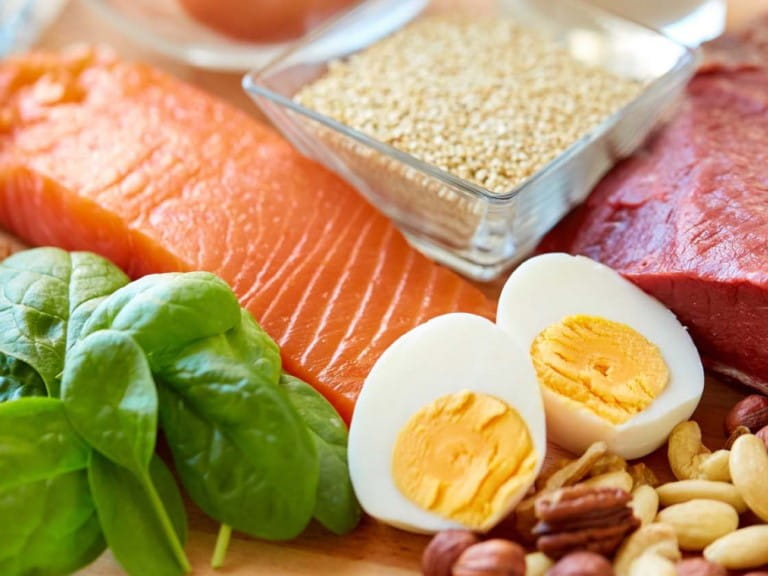
Everything you need to know about protein, from how it benefits your body to the best high-protein foods – and how much you really need.