Are you taking too many pills?
We’re being prescribed more medicines than ever before. But when does enough become too many? And what can you do if you’re worried?
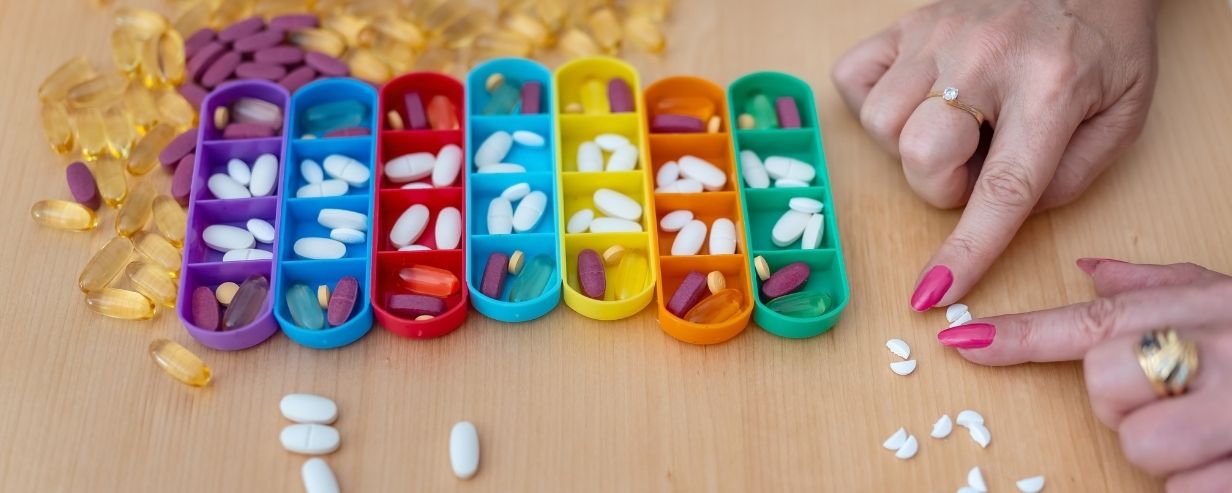
Getty
We’re being prescribed more medicines than ever before. But when does enough become too many? And what can you do if you’re worried?
Once we reach 60-plus our medicine cabinets often resemble a mini-pharmacy: a statin, very probably; a couple of blood pressure-lowering meds; something for acid reflux; a pack of painkillers; possibly some thyroid tablets; antidepressants; or other drugs for chronic conditions. All prescribed at one time for good reason, but maybe now surplus to requirements – or even doing us harm.
A major study published in Nature Health in June 2026, which used dispensing data to track medication use in primary care, reveals how prescribing soars with age. At age 50, just 15% of people were taking five or more medicines, which is called polypharmacy. By 60 this had risen to 26%, and by 70 to 42%, with 12% of this age group taking ten or more. The turning point seems to be age 64, reveals the report, when we tip from no medication or only one drug into being prescribed more.
“It’s the first time we’ve been able to see not just how many medicines are going out each month nationwide but how many medicines the same person is taking,” says Dr Caroline Dale, from the University of Liverpool, one of 15 co-authors of the study, which was funded by the National Institute for Health and Care Research (NIHR).
| Age | None | 1 | 2-4 | 5+ |
|---|---|---|---|---|
|
50 |
47% |
15% |
23% |
15% |
|
60 |
34% |
13% |
28% |
26% |
|
70 |
19% |
10% |
30% |
42% |
|
80 |
9% |
6% |
27% |
60% |
|
90 |
7% |
3% |
21% |
68% |
* Source: Nature Health
Numbers may not add up to 100% due to rounding
It’s hard to get a clear picture of exactly how much medication use has increased over the years, as studies have measured it in different ways. But one thing is for sure: we’re taking way more meds than our parents did.
Among over-65s in England, the proportion taking five or more medicines quadrupled from around one in eight in the early 1990s to almost one in two by 2011 and the latest figures suggest the numbers are still on an upward trajectory.

It’s partly a reflection of modern medicine’s success in treating conditions that might once have killed us. As senior author of the study Reecha Sofat, professor of clinical pharmacology and therapeutics at the University of Liverpool, explains: “I might go into hospital tomorrow with a heart attack and come out with five drugs I wasn’t on before. That’s probably appropriate. But because I’ve survived my heart attack I will live on to get other conditions – which means more prescriptions.”
The key word here is “appropriate”.
“It’s not about saying ‘No’ to medicines. It’s about making sure we’re using the right ones, at the right time, for the right length of time,” says Dr Deb Gompertz at the British Geriatrics Society, who is also a GP specialising in the treatment of older people.
According to a study published in 2025 almost half of older people, and as many as four in five living in care homes, are taking at least one medicine whose risks may outweigh benefits. These are called “potentially inappropriate medicines” (PIMs) by experts. They have been linked to a greater risk of side effects, harmful interactions with other medicines, poorer quality of life, more hospital stays and even a higher risk of dying.
Age can change the balance of the benefit vs risk equation meaning that the same dose of a medicine that was fine when we were 45 years old, say, may not be right for us at age 75. “Our bodies mainly clear drugs through our livers or kidneys. With age, and the onset of other conditions these organs work slower,” explains Prof Sofat.
She cites the example of a painkiller (analgesic), which may relieve pain, but could also increase your risk of drowsiness, which in turn could push up the risk of falling.
Dr Eloise Radcliffe is a senior research fellow at the University of Southampton, who has been involved in studies looking at how GP surgeries might review frail older patients’ medicines and “deprescribe” those no longer needed. “Quite a few of the people we interviewed said things like, ‘My specialist prescribed this for me years ago, so I have to take it’,” she says. “At the time – maybe 15 or 20 years ago – they were prescribed that medicine for a specific benefit. But they have aged since and it may not be beneficial anymore, so it needs reviewing.
“We have a culture of single specialties where medicines are prescribed based on guidelines, quite rightly, but do not always take account of other medicines people are taking,” she explains.
This can result in what’s known as a prescribing cascade, where a side effect from one medicine causes another problem for which another drug is then prescribed.

Falls, unsurprisingly, are one of the biggest risks of polypharmacy. Research from the University of Leicester, which followed more than 5,000 people aged 60-plus in England, found that those taking five or more medicines fell a fifth (21%) more often than those taking fewer than five. People taking ten or more fell half as often again (50% more) as those taking fewer than ten.
“Blood pressure medications are among those I look at most, especially when people are falling,” says Dr Gompertz. The reasons? Medicines such as ramipril, amlodipine and doxazosin can make you dizzy when you stand up, particularly if you’re taking more than one. Diuretics (water tablets), often prescribed for heart failure, can lead to night-time loo visits, which may also result in tumbles.
Other culprits are anticholinergic drugs, medicines that block a chemical messenger called acetylcholine, needed for memory and attention, which can also cause falls as well as confusion. They include some bladder medicines and older antidepressants, as well as some antihistamines and over-the-counter sleep remedies. Many have only a mild effect on their own. But taking several can add to what doctors call your “anticholinergic burden”.
Taking several medicines also increases the risk of interactions and side effects that could land you in hospital. According to the 2021 National Overprescribing Review, around one in five hospital admissions in over-65s were due to adverse effects of medicines. It found that 10% of prescription items dispensed through primary care in England were either “inappropriate for that patient’s circumstances and wishes or could be better served with alternative treatments.”
Poor nutrition; weight loss; and frailty, a loss of strength, energy and resilience that leaves people more vulnerable to falls and illness, are just some of the other possible consequences of taking multiple medicines, according to researchers from the University of Newcastle. However, they note that it can be hard to tell whether medicines themselves are to blame, or the illnesses they’re being taken for, highlighting the need for more research to examine which types of medicine, and which combinations of illnesses, carry the most risk.

Ask your GP surgery for a structured medication review. This will often be with a clinical pharmacist rather than your GP. There’s no specific entitlement to such a review but it could be a good idea to request one, especially if it has been some time since you had one or you’re taking several, or have had falls, hospital admissions or are feeling increasingly frail.
Gather up everything you take and make a list: not just tablets, but liquids, inhalers, creams, eye drops, patches and injections, plus anything you’ve bought from the chemist, supermarket, health food shop or online, including vitamins, supplements and herbal remedies.
Doing this can be revealing, as Dr Gompertz discovered. She set up a project called Show Me Your Meds, Please, in which GPs and community teams visiting older people at home in Somerset asked to see all the medicines they were taking. One in four of those they asked weren’t taking large amounts of their medication, something routine reviews had missed.
Ask the person who does the review
Whatever you do, never stop taking a medication without medical advice. “Quite a lot of medications you shouldn’t stop suddenly,” warns Dr Gompertz. These include medicines for Parkinson’s, long-term steroids such as prednisolone, and antidepressants, all of which should only be reduced under medical supervision.
And if you have unused meds at home, don’t hoard them, bin them or flush them down the loo. Take them to a pharmacy for safe disposal. One message from the experts comes across loud and clear: medicines are helping many of us live longer, healthier lives. The aim isn’t to cut down for the sake of it but to make sure every pill in your medicine cabinet is still earning its keep.


Buy direct and start a new Saga Health Insurance policy by the end of 10 December 2026 to get your first 3 months free. T&Cs apply.
Underwritten by Bupa Insurance Limited.

Trusted advice, practical tips, exclusive interviews, puzzles, competitions and more every week. Sign up to our free newsletter.

Find out about Saga’s walking holidays here…
Saga’s walking holidays are perfect for exploring Europe’s stunning destinations on foot. They’re suitable for all fitness levels and offer a well-balanced mix of guided walks and relaxation.

Are you retiring at the wrong age? The best age to retire for your body, brain, happiness and pocket.


Everything you need to know about the lung infection, and how you could be ill with “walking” pneumonia without realising it.

Strong calves for a strong mind: how they support our circulation and brain health, with easy moves to strengthen yours at home.


Our GP Dr Mark Porter explains what can cause itchy skin, which is a common problem as we get older.

Worried you’ve morphed into Victor Meldrew? Find out how to battle that bad mood, and what to do if you’re stuck with a grouchy loved one.

The benefits of heat and cold therapy, and how Nordic bathing won over our nervous writer.

Here’s how to spot the symptoms of heat disease and reduce your danger.


Everything you’re entitled to this year, when you can have it, and the gaps that remain.

Pilates for back pain – what to do if you are suffering, and five gentle exercises that could help.

Dizziness or vertigo: a sensation of spinning, can stop us doing everyday things for fear of falling. Try these tips to stop feeling dizzy


You don’t have to put up with bladder leaks. We try out the latest pelvic floor gadgets for men and women.

Cataracts are a normal part of ageing. Learn how to spot the signs – and when it’s time to consider surgery.