Article
money-news
Skip to content
Saga logo
Account icon MySaga
  • Insurance
    Go to Insurance Contact us Contact us
    • Car
      • Car insurance
      • Over 50s car insurance
      • Fixed price car insurance
      • Car insurance add-ons
      • Electric car insurance
      • Breakdown cover
      • European cover
      • Make a car claim
      • Car insurance FAQs
    • Home
      • Home insurance
      • Buildings & contents insurance
      • Over 50s home insurance
      • Contents insurance
      • Renters insurance
      • Home insurance add-ons
      • Fixed price home insurance
      • Make a home claim
      • Home insurance FAQs
    • Travel
      • Travel insurance
      • Single trip travel insurance
      • Existing medical conditions
      • Annual travel insurance
      • Cruise travel insurance
      • Over 70s travel insurance
      • Delayed Flight Assistance
      • Make a travel claim
      • Travel insurance FAQs
    • Private medical
      • Health insurance
      • Compare healthplans
      • What is health insurance?
      • Switching provider
      • Over 60s health insurance
      • Options to improve cover
      • Your choice of hospital
      • Make a health claim
      • Health insurance FAQs
    • Other
      • Landlord insurance
      • Motorhome insurance
      • Policy books
      Already a customer?

      Find everything you need for claims, renewals, and policy changes all in one place.

      Visit the Customer Hub
    Insurance help and resources
    • Contact us
    • Bereavement service
    • Support services
    • Hear more from us
    • Customer hub
  • Holidays
    Go to Holidays Call us now Call us on 0808 239 3479
    • Escorted tours
      • Escorted tours
      • Escorted tour offers
      • Solo escorted tours
      • Safari tours
      • Rail journeys
    • Hotel stays
      • Hotel stays
      • Hotel stays offers
      • Solo hotel stays
      • All inclusive
      • Winter sun
    • Special interest
      • Birdwatching
      • Walking
      • Food
      • UK universities
      • All special interest
    • Travel inspiration
      • Destinations
      • Last-minute holidays
      • 2027 Holidays
      • New holidays
      • Blog
    • Existing customers
      Already booked a holiday?
      View your booking, travel documents and update details ahead of your holiday.
      View my booking
    Holiday help and resources
    • Manage my booking
    • Request a brochure
    • Hear more from us
    • Contact us
    • FAQs
  • Cruises
    Go to Cruises Call us now Call us on 0808 258 6779
    • Ocean cruises
      • 2026 ocean cruises
      • 2027 ocean cruises
      • Late availability cruises
      • Solo ocean cruises
      • Ocean cruise offers
      • Ocean cruise destinations
      • What's included
      • Ocean cruise FAQs
    • River cruises
      • 2026 river cruises
      • 2027 river cruises
      • Solo river cruises
      • River cruise offers
      • River cruise destinations
      • What's included
      • River cruise FAQs
    • Why cruise with us?
      • Ocean cruise experience
      • River cruise experience
      • Love It First Time guarantee
      • Benefits of booking early
    • Travel inspiration
      • Travel advice
      • Travel experiences
    • Existing customers
      Already booked a cruise?
      Add passport details, view your cruise documents and check your cruise itinerary.
      View my booking
    Cruise help and resources
    • Manage My Booking
    • Request a brochure
    • Hear more from us
    • Contact us
    • FAQs
  • Money
    Go to Money Contact us Contact us
    • Savings
      • Easy access savings
      • Fixed rate savings
      • Cash ISA
      • How does interest work?
      • How to set savings goals
      • How to budget
      • Go to Savings
      • Existing Savings customers
    • Mortgages
      • Standard mortgages
      • Buy-To-Let
      • Remortgaging
      • Family supported mortgages
      • Compare mortgage rates
      • Retirement interest only
      • Go to Mortgages
      • Existing Mortgage customers
    • Equity release
      • Equity release calculator
      • Exclusive product
      • Pros and cons
      • Request a free guide
      • Alternatives to equity release
      • Request a call back
      • Go to Equity release
      • Equity release FAQs
    • Legal services
      • Will writing
      • Lasting power of attorney
      • Probate
      • Free legal review
      • How to make a will
      • Guide to probate forms
      • Go to Legal services
    • Investing
      • Stocks & Shares ISA
      • General Investment Account
      • Existing Investment customers
      Read the latest Saga Money news
      The latest news, articles and wider reading on all things financial. Making the most of what you have.
      Saga Money news
    Money help and resources
    • Contact us
    • Support services
    • Hear more from us
  • Magazine
    Go to Magazine
    • Explore topics
      • Homes
      • Entertainment
      • Gardens
      • Health & wellbeing
      • Life
      • Travel
      • Recipes
      • Video & podcast
    • Games and puzzles
      • All puzzles
      • Codeword
      • Crossword
      • Quick crossword
      • Sudoku
      • Hard Sudoku
    • Partnerships
      • Vintage by Saga ↗
      • Saga Connections ↗
    • Saga Magazine
      Subscribe to the award-winning Saga Magazine. A celebration of life, experience, and the joy of living, delivered direct to your door.
      Subscribe
    Magazine help and resources
    • Log in to MySaga
    • Hear more from us
    • Contact us
  1. Home
  2. ...
    1. Money news
  3. How savings and investments are taxed – and tips to lower your bill

How savings and investments are taxed – and tips to lower your bill

Discover current UK tax rules for savings and investments and how to avoid paying more tax than you need to.

By Rachel Wait | Published - 3 Jun 2025
Social Facebook Social Twitter Email

We all know that saving and investing can make a big difference to our lifestyles and our income in retirement. But how much of that money will actually be yours after tax?

A combination of frozen tax reliefs and personal allowances, higher interest rates, and in some cases higher tax rates, means that more people are paying tax on their savings and investments. Below, we explain what this means for you and how you can make the most of your money.

On this page:

  • How are savings taxed in the UK?
  • What taxes do you pay on investments?
  • Are Premium Bonds tax-free?
  • Are investments in a pension taxed?
  • Summary

How are savings taxed in the UK?

Under current HMRC tax rules for savings, you typically pay income tax (usually at your normal rate) on any savings interest you earn once you’ve exceeded your allowance.

Income tax rates are between 20% and 45% in England, Wales and Northern Ireland, with a starter rate of 19% and a top rate of 48% in Scotland. But savings interest and dividends in Scotland are taxed at the same rate as the rest of the UK.

The personal savings allowance

The personal savings allowance (PSA) lets basic-rate taxpayers earn up to £1,000 a year in savings interest without paying income tax. Higher-rate taxpayers can earn up to £500 a year. Additional-rate taxpayers have no PSA, so pay tax on all cash interest they receive outside a tax wrapper such as an ISA.

Bear in mind that interest from savings counts towards your income. So if your income from a pension or employment is just below the threshold for higher rate tax, but the addition of savings interest takes you over the threshold, your PSA will go down and you may end up paying more tax than you expected.

The PSA applies to interest you earn in accounts held with banks, building societies, credit unions and National Savings and Investments (NS&I) – with the exception of Premium Bond prizes, where the payouts are tax-free.

Alice Haine, personal finance analyst at wealth manager Evelyn Partners, adds: “Interest can be applied on coupon interest from corporate and government bonds (including gilts), most purchased life annuity payments, and interest distributions (though not dividend distributions) from money market or fixed income funds.”

When you consider this, alongside rising interest rates and the fact the PSA hasn’t increased since it was introduced in 2016, it’s not surprising that more people are now exceeding their savings allowances and paying tax.

According to analysis from the investment platform AJ Bell, more than 2 million people paid tax on their cash savings in the 2024/25 tax year, a sharp rise from around 650,000 just three years ago. It’s possible the number could drop back in 2025-26 due to falling interest rates.

  • Read more about how the personal savings allowance works. 

The starting rate for savings

The starting rate for savings can mean a higher tax-free allowance for people with income less than £17,570 (not including savings income). The starting rate is an allowance of up to £5,000, and you’ll get all of it if you earn less than the personal allowance of £12,570, explains Sarah Coles, head of personal finance at investment platform Hargreaves Lansdown.

“For every penny you earn over the personal allowance, your starting rate falls by £1, until it disappears altogether at £17,570. If you get the starting rate, you add your personal savings allowance to it, so some people can make £18,570 in tax-free interest from their savings,” she says.

Protect from tax through an ISA

If you might be paying tax on your savings, either now or in the future, you can protect some of your savings from tax by opening a cash ISA. But there is a limit to the amount you can save tax-free. Since 2017, this allowance has remained at £20,000 a year.

The chancellor, Rachel Reeves, recently confirmed the allowance would stay at £20,000, although she didn’t confirm whether any reductions would be made to cash ISAs specifically, following previous rumours the allowance for those could be cut to £4,000. 

What taxes do you pay on investments?

There are two types of tax on investments held outside pensions and stocks and shares ISAs – capital gains tax (CGT) and dividend tax.

The annual CGT allowance now stands at £3,000, a sharp decline from £12,300 in 2022/23 and £6,000 in 2023/24. Once you’ve exceeded this allowance, CGT is due when you sell an investment for more than you paid and made a profit. It’s charged at 18% for basic rate taxpayers and 24% for higher and additional rate payers.

Coles says CGT can be triggered when you sell up or rebalance your portfolio. The gain can also be taxed when you give investments away to anyone other than a spouse – so it’s not just sales that matter. “If you give it to a spouse or civil partner, there’s no tax on the transfer, but when they come to sell it, their gain will be calculated from the date you acquired it.”

All taxpayers also have an annual dividend tax allowance, but this is again much lower than in previous years. The tax-free dividend allowance dropped from £2,000 to £1,000 in April 2023, and again to £500 in April 2024. If you get dividends totalling more than £500 per year, tax is due. Basic-rate taxpayers pay 8.75%, higher-rate taxpayers pay 33.75% and additional-rate taxpayers pay 39.35%.

HMRC forecasts indicate that 3.6 million people were expected to pay tax on their dividends for 2024/25, almost double the number who paid three years ago. Charlene Young, senior pension and savings expert at AJ Bell, explains: “This is largely due to more taxpayers with smaller portfolios being dragged into the dividend tax net.”

Again, it’s possible to shelter your investments from these taxes by stashing your money in a stocks and shares ISA (but remember your £20,000 allowance is the total across both cash and stocks and shares accounts).

  • New to investing? Read our guide on how to choose the right investments for you.
Happy married couple high five each other after paying utility bills or mortgage loan. Concept of profitable investment, social benefits, pension contributions and deposits
Image credit: brizmaker

Are Premium Bonds tax-free?

Premium Bonds are a popular savings vehicle, partly because they are backed by the Treasury which means your money is safe (although most savings are safe anyway, thanks to FSCS protection).

But they also provide you with the opportunity to win a tax-free prize of up to £1 million – something that could be particularly attractive if you’ve already used your personal savings and ISA allowances.

However, keep in mind that you won’t earn interest on your money and there’s no guarantee you’ll win a cash prize. “In an average month, the average bond holder wins nothing, and without any return on your savings you will lose spending power after inflation,” says Coles.

  • Read about when Premium Bonds might be a good choice and when they’re not. 

Are investments in a pension taxed?

The average pension pot for those aged 55 to 64 stands at £137,800, according to the latest pension wealth data from the Office for National Statistics (ONS).

Investors do not pay any tax on income or investment returns within a pension wrapper. What’s more, any payments you make into your pension scheme attract tax relief. Mike Haynes, head of employment and pensions at tax consultancy Andersen LLP, explains that if you earn less than £50,270 in most of the UK, you will save 20% tax.

For higher rate payers earning more than this,  tax relief at 40% and 45% will be available. Different income tax bands apply in Scotland, with pension tax relief of between 20% and 48% available.

However, pension money is taxable when you take money out. When you become eligible to access your pension pot (currently from the age of 55 but rising to 57 in 2028), you can withdraw 25% tax-free, up to a maximum of £268,275.

Alice Haine adds that the remaining 75% is taxable at the individual’s marginal rate of tax, so it is important to consider all income sources, such as the state pension or a part-time job, when making withdrawals to avoid tipping into a higher tax bracket. “Ultimately, how much tax a retiree pays on pension savings will depend on how they choose to withdraw money from their pot,” she adds.

Another important consideration is that from April 2027, pension pots are due to form part of a deceased person’s estate. This means inheritance tax (IHT) may be due if the nil rate band of £325,000 has already been used up.

Summary

Navigating the tax landscape for savings and investments can seem complex, particularly with freezes to allowances and changes on the horizon, like those to pension IHT. Understanding the current rules and allowances is the first step towards maximising your returns.

With more people paying tax on savings and investments, regularly reviewing your financial situation and considering whether you’d benefit from tax-efficient wrappers like ISAs and pensions is crucial. If you're unsure about your specific circumstances or how these changes might affect you, consider seeking independent financial advice.


Sign up to hear more from Saga Money

Sign up to hear more from Saga Money

Get the latest updates from Saga Money direct to your inbox. Our emails feature money news, helpful tips and special offers.

Fields marked with an * are mandatory.

Please enter a valid first name
Please use only letters
Please enter a valid last name
Please use only letters
Please enter a valid email address
Please use a valid email format
Unfortunately there has been an issue processing the form, please try again.

By providing your details you will receive emails with related content and offers from Saga Money.

For information about how we use your personal information, please view our Privacy Policy

Related articles

Asian Senior Couple using calculator and calculate family budget, Debts and monthly expenses
Cash ISA changes are still planned - what should you do?
Stacks of coins
Investing in retirement: how to get started
Coins on top of spreadsheet
How to cut your tax bill with an ISA
Finance, laptop and happy senior couple with bills, paperwork and documents for life insurance. Retirement, pension and elderly man and woman on computer for mortgage payment, investment and budget
5 tax benefits of tying the knot
Two people hugging and smiling in a kitchen
Saga brand logo

Saga Savings

Find out more about how Saga could help you with your savings and investments.

Find out more

Money news

Browse money news
Grandparents With Grandchildren Indoors At Home Doing Jigsaw Puzzle With Parents In Background
How to beat inheritance tax on pensions

Find out how to avoid an unexpected IHT bill 

Mature couple concentrating on calculating household expenses with a laptop and papers
How pensions are taxed – and expert tips to lower your bill

Find out how your state and private pension income is taxed and what you can do to cut your bill. 
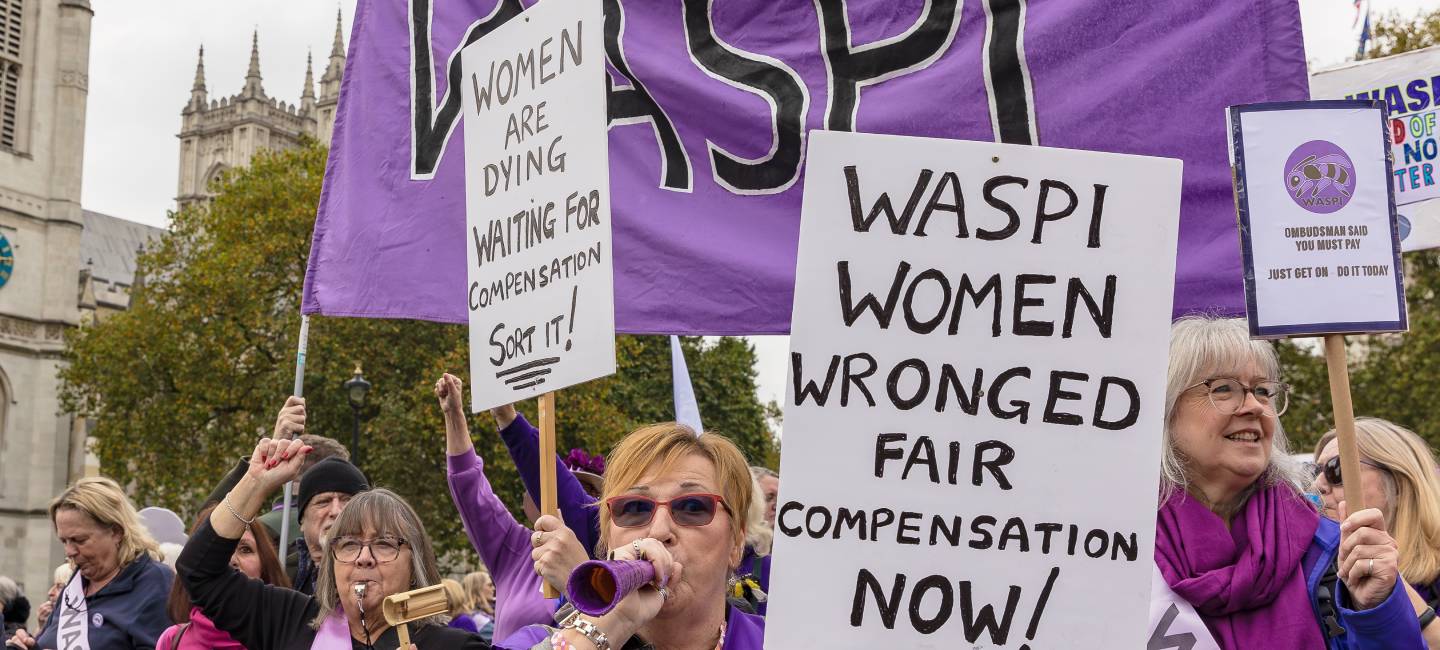
WASPI women demonstrating on Budget Day outside the Houses of Parliament, about the lack of compensation not being paid to them as outlined by the Ombudsman
State pension compensation: Latest on the Waspi legal battle
Will the High Court pave the way for payouts over Waspi state pension age changes 
Finance, documents and senior couple on sofa with bills, paperwork and insurance checklist in home, life or asset management, Elderly black people on couch with financial, retirement or mortgage debt
Will you have to start paying tax on your savings?
What to do if you’re about to be hit with a tax bill on savings interest.
2025 year placed in wooden blocks with percentage and coins stack
What will happen to interest rates in 2025?

Find out how interest rates will affect your finances, from mortgages and borrowing to saving.

1951
Saga logo
Our company
  • About us
  • Careers
  • Investor relations ↗
  • Newsroom ↗
  • Shareholder services ↗
  • Corporate ↗
Our products
  • Savings
  • Mortgages
  • Equity release
  • Legal services
  • Investments
  • Money news
More from us
  • Exising Savings customers
  • Existing Investment customers
  • Support services
  • Hear more from us
Other information
  • Cookie settings
  • Cookie policy
  • Privacy policy
  • Terms and conditions
  • Modern slavery statement
  • Gender pay review
  • Customer reviews policy
  • Sitemap
Contact us
  • Contact us
  • Make a complaint
  • Log in to MySaga
x icon Facebook icon

Saga Money is a registered trading name of Saga Personal Finance Limited, which is registered in England and Wales (Company No. 3023493) and is authorised and regulated by the Financial Conduct Authority (FCA No. 178922)

Registered office:
3 Pancras Square, London, United Kingdom, N1C 4AG
© Saga 2026