Celebrate snowdrop season with 6 of the best places to see them
With snowdrops heralding the first signs of spring, we’ve got the best places to see these dainty flowers and advice on how to grow your own.
With snowdrops heralding the first signs of spring, we’ve got the best places to see these dainty flowers and advice on how to grow your own.
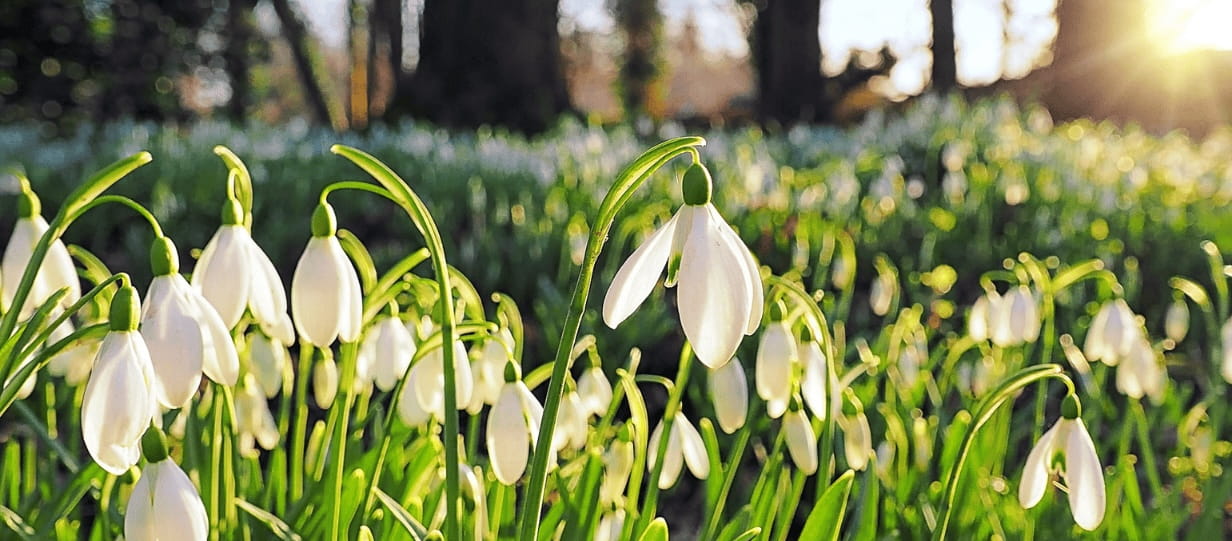
There’s something about a snowdrop that really lifts your heart. These delicate flowers are traditionally known as the harbingers of spring and can usually be seen from January until March.
You’ll spot them carpeting woodland floors, meadows and gardens and in the UK we absolutely love them – they regularly top the polls as the nation’s favourite spring flower.
So we’re celebrating snowdrop season, with some of the best places to see them and tips from an expert gardener on how to grow them in your garden.
We’ve got six of the best spots to visit.
Spring is on the way at Acorn Bank near Penrith, where a spectacular display of snowdrops takes over the woodland above the historic Crowdundle Beck.
Acorn Bank is usually closed during the winter and this delightful sight is usually off-limits to visitors – but they run special snowdrop weekends throughout February and March.
It’s the perfect opportunity to wander through these drifts and dainty flowers and soak up the spring atmosphere.
There is a dedicated Snowdrop Stories trail through the grounds of this Tudor manor house between 7 February to 7 March 2026, where you’ll learn all about the beliefs and superstitions that have been associated with these spring blooms over the centuries.
It’s worth a visit at anytime during snowdrop season to see the flowers throughout the estate.
Anglesey Abbey, near Cambridge, has one of the finest snowdrop collections in the UK, with 400 varieties of these delicate white flowers – many of which are rare.
You can take in their beauty with a wander through the Winter Garden, which is also in its prime at this time of year, or join a free Specialist Collection Tour between 26 January and 27 Februrary 2026 where you can learn all about this fascinating collection of flowers.

The 28 acres of parkland around Dunster Castle is the perfect setting for an idyllic winter walk, with patches of snowdrops dotted all around the area, as well as growing in the garden borders.
You can join the gardeners to plant more snowdrops in the River Gardens at a drop-in session on 14 February 2026.
Thousands of snowdrops carpet the woodland floor at the National Trust’s Oxburgh Estate, putting on a memorable display in the Wilderness – an untamed, natural landscape which was created to contrast the more formal gardens. Spring brings a memorable display of snowdrops, followed by aconites and bluebells.
Guided snowdrop tours are offered throughout January, February and March 2026, by volunteers or the gardeners of Oxburgh where you can discover different snowdrop varieties.

Each year at Belton over 20,000 snowdrops can be seen in drifts throughout the Pleasure Grounds, around the Gothic ruin and dotted around the lakes.
James Allen (1830-1906), the first person to breed Snowdrops from the wild, was born in Shepton Mallet. Now every year the town hosts a Snowdrop Festival and in 2026 it runs from February 20-21. There will be talks, walks, workshops and snowdrop sales.

Ben Dark is a head gardener and landscape historian. He has these great tips for growing snowdrops in your garden.
We can thank the Victorians for the word ‘Galanthophile’, which means snowdrop lover. It describes the person for whom a trip to see some snowdrops could mean a journey of hundreds of miles.
A rare snowdrop bulb can fetch thousands of pounds at auction. The annual Ultimate Snowdrop Sale takes place at Myddleton House, Enfield, every year. This year it’s being held on 31 January, 2026.
Tall and highly scented. Lovely in the garden, even better in the vase.

A classic double snowdrop discovered in Ireland in 1911 and yet to be bettered.
From Northumbria, a golden snowdrop with the best chance of naturalising in gardens.
Elegant with long outer tepals, arched flower stalk and thin green-grey leaves.

A snowdrop for the impatient gardener, it can begin flowering in late October.
The snowdrop bulb contains the alkaloid galantamine – approved for use in the management of Alzheimer’s disease in over 70 countries worldwide, including the UK.
Don’t try to eat one though as the bulbs are poisonous.
The snowdrop’s nodding white flower, each carried on a single stem is a welcome sight in the early months of the year.
Yet it’s not a native plant and wasn’t recorded as growing wild until the late 18th century. Dark explains that Snowdrops belong to the genus Galanthus; the naturalised species is Galanthus nivalis.
“Its arrival on these islands from central and southern Europe is unrecorded, though it may have come with the Romans,” he says.
“It was certainly familiar to John Gerard, who included the snowdrop in Britain’s first ever gardening book, writing in the Herball of 1597 that it ‘flowereth at the beginning of Januarie’.”
“In the mid-19th century it was joined by Galanthus plicatus, carried here as bulbs by soldiers returning from the Crimean War. Many had spent the winter under bombardment outside the besieged city of Sevastopol and clung to the flowers that bloomed in the mud of their frozen trenches as reminders of life.
“The final piece of our snowdrop puzzle was added in 1874 when botanist Henry John Elwes brought back the giant snowdrop, Galanthus elwesii, from the Caucasus Mountains. While another 17 species have so far been discovered, it is these three that contribute most of the genetic material to the hundreds of varieties available today.”
(Hero image credit: Getty)
Snowdrops have been given many meanings over the centuries; they often symbolise new beginnings, hope, rebirth and the ability to overcome challenges. White has meanings of purity, innocence, spirituality and sympathy.
If you’re thinking about giving flowers, then snowdrops can be a thoughtful present for a birthday, a new baby or in sympathy.

Find out about Saga's Gardening holidays here...
Explore stunning outdoor sanctuaries on Saga’s garden-themed getaways – it doesn't matter if you’re a keen horticulturist or just someone who enjoys colourful blooms.
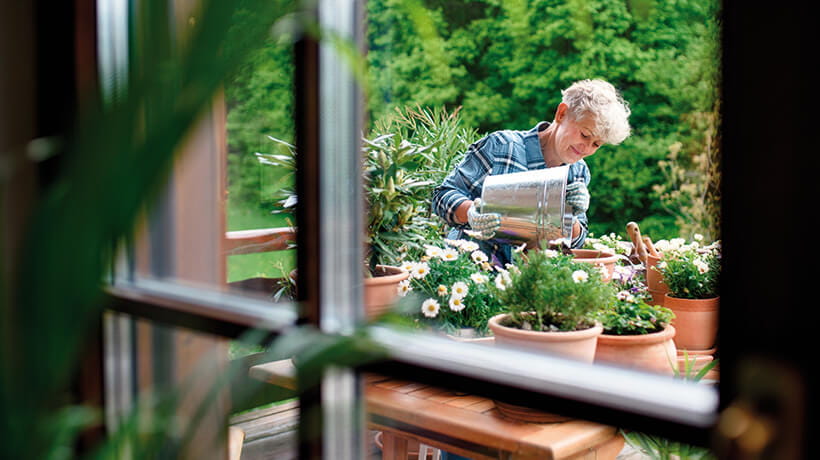
Saga Home Insurance comes with garden cover included. Find out what’s included and get tips to help secure your garden.

Rekha Mistry shares her top vegetables to grow in your garden all year round.

We explain the science and have 7 of the best scented plants for your garden.

From robot mowers to electric pruning shears, spruce up your outside space with four of the best garden gadgets
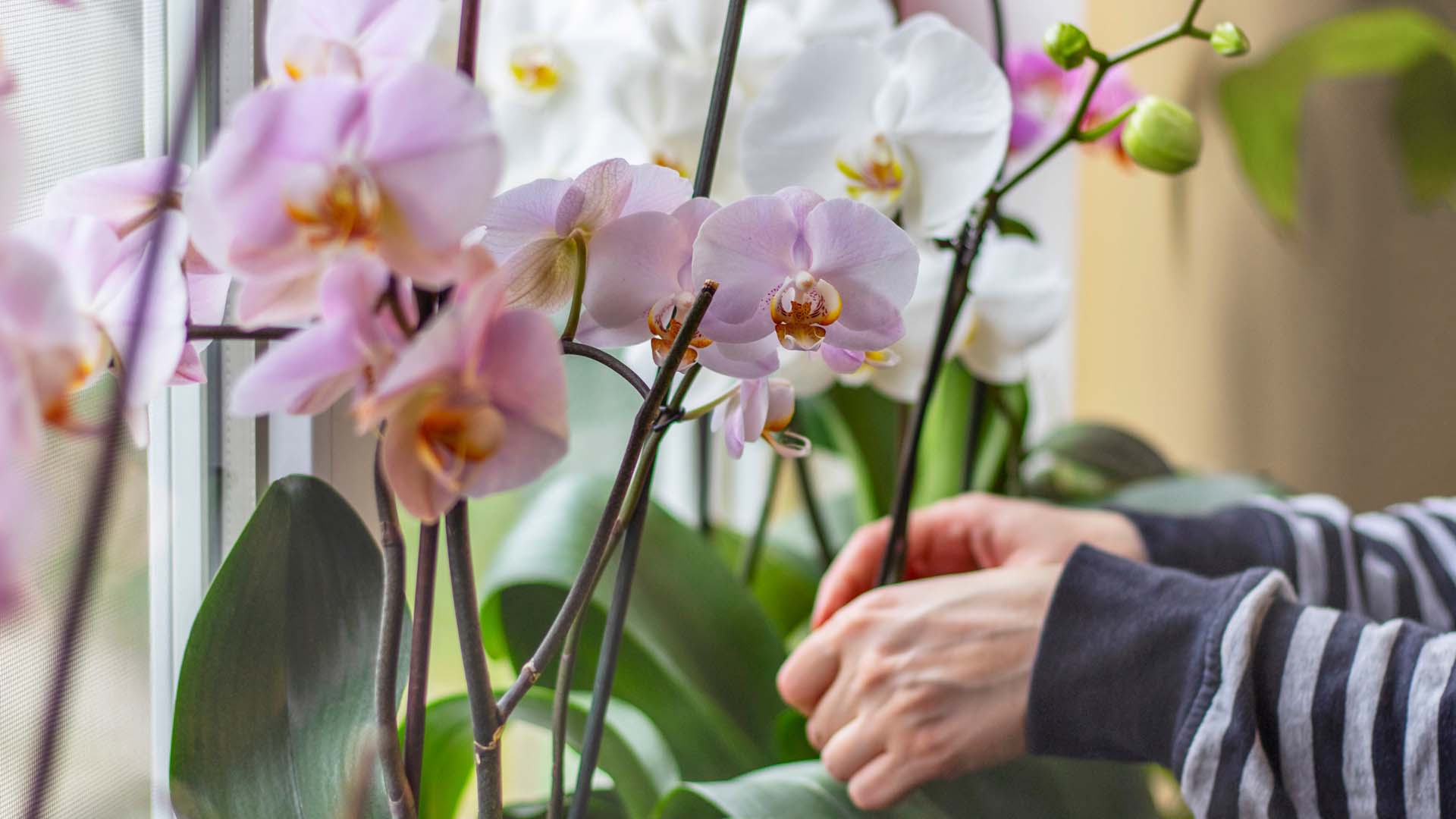
Our expert pruning and watering hacks include a top tip to keep them flowering from Alan Titchmarsh.

The experts explain the best ways to look after our feathered friends.
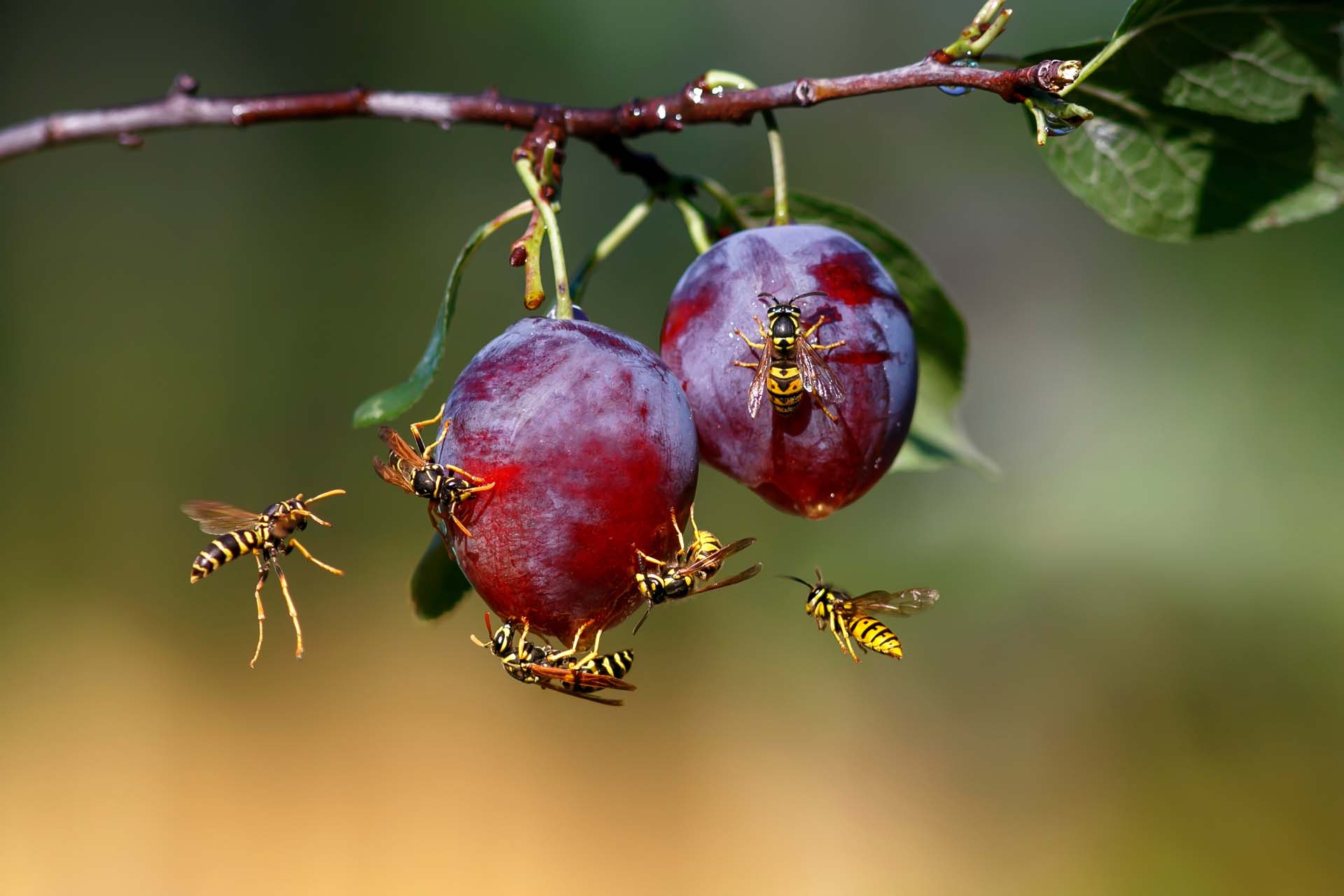
Blighted by buzzing? How to keep wasps out of your garden without harming them so you can enjoy the summer.

Expert advice on how to avoid neighbour disputes, fines or even prosecutions.
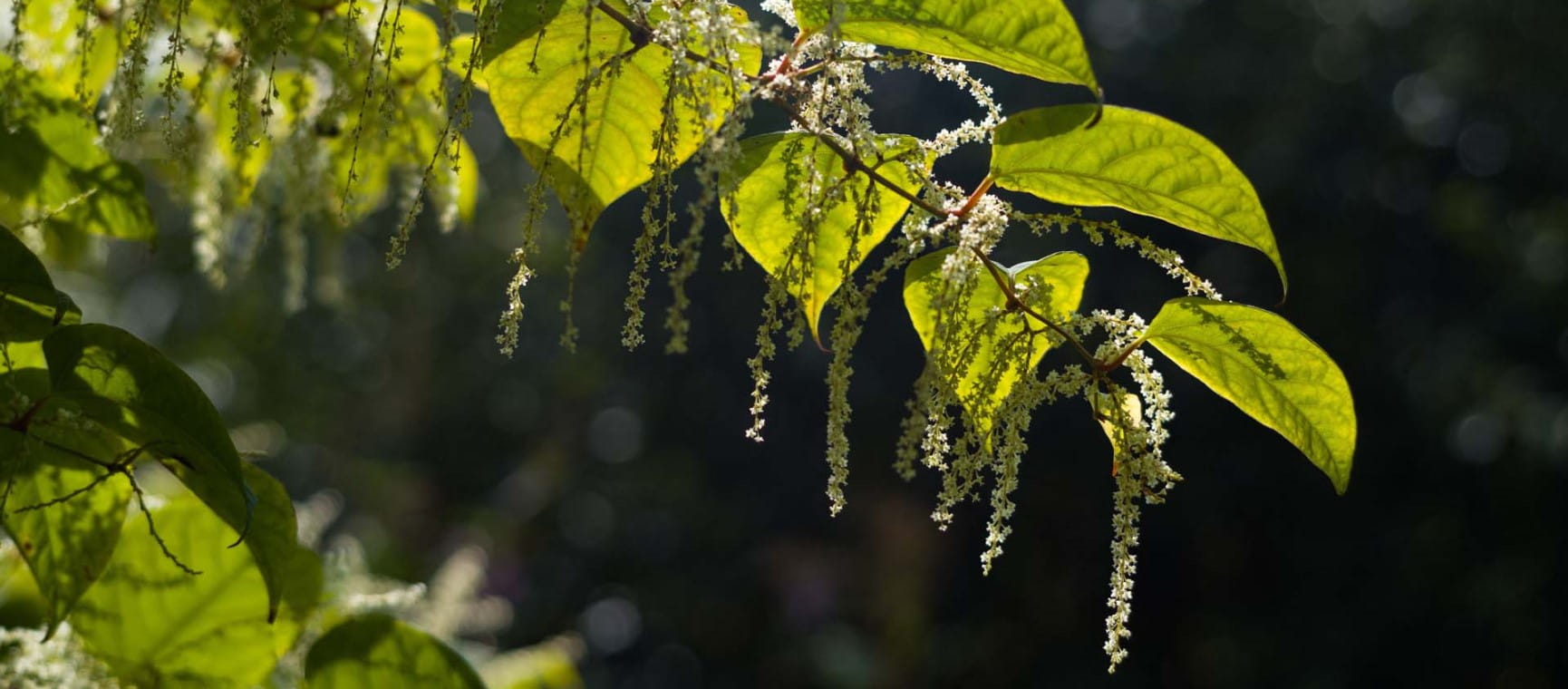
Everything you need to know about Japanese knotweed, the fast-growing plant nobody wants in their garden.