How to help your garden survive a heatwave
Scorched lawns, drooping flowers and dry soil? Experts share practical ways to protect your garden during drought and hot weather.
Getty
Scorched lawns, drooping flowers and dry soil? Experts share practical ways to protect your garden during drought and hot weather.
Whether you’re a budding gardener or a seasoned horticulturalist, we’re all new to the battle of keeping our green spaces alive in the scorching temperatures of late. Unless you were green-fingered back in the summer of 1976, that is.
My mother vividly remembers the relentless heatwave in her native Yorkshire that saw swathes of the Dales turn from lush green to desert brown, and the accompanying despair of the horticultural community.
But according to a Met Office report, temperatures are predicted to continue at - or near - record levels over the next five years. So not only must we tend to our parched plants after the recent heatwave, but we also need to brace our gardens for the summers to come.
When plants look scorched and lawns turn brown, it's tempting to reach for the hosepipe, fertiliser or pruning shears. But experts say many gardeners make matters worse by overwatering, feeding stressed plants or disturbing the soil.
Their advice? Take a step back. Leave established lawns alone, keep weeds in place where they protect the soil, and resist the urge to fuss over every drooping plant. In a heatwave, a lighter touch often works best.
Brown grass, scorched leaves and drooping plants can make even the most experienced gardener panic.
But experts say overwatering, feeding stressed plants and excessive pruning can sometimes do more harm than good.
Here's what they recommend instead.
Laetitia Maklouf is an author, podcaster and horticulturalist with a passion for making gardening simple, achievable and enjoyable; even in extreme weather conditions.
She says that if your foliage appears visibly scorched - very much like my frazzled courgette plants - patience is key.
“This is very much a wait-and-see deal,” explains Maklouf. “If the sun has burnt the leaves, then leave well alone, as even the scorched leaves will provide some shade for the base. Remove the brown stuff when the weather cools.
“If the scorching has happened because the roots are parched, then that’s die-back and you’ll need to water deep and long during the hot period to see if the plant recovers, bearing in mind that this could take months.”
Award-winning garden designer and horticulturalist Tom Hoblyn is an expert in drought-tolerant planting and has recently completed a climate-resilient display for this year’s Sandringham Flower Show.
“Start with your soil, not your hosepipe,” is his first piece of advice. “A soil that holds structure and organic matter buffers plants against both extremes we are now seeing - punishing dry spells followed by sudden deluges.
“So mulching thickly with well-rotted compost or bark in fine weather does two jobs at once. It locks in moisture during drought and helps rain soak in rather than run off when it does eventually fall.”

The sight of a parched patch of grass leaves us longing to saturate it, but this is where we’re going wrong, says Hoblyn. “Leave the lawn alone. Established grass will always recover once rain returns, so let it go brown and save your water for plants that actually need it.”
For the gardening newcomers among us, it’s hard to believe that even when our grass appears lifeless and brown during extreme heat, it is in fact dormant; not dead. And one of the best ways to help it recover is to simply have faith and leave it alone.
Maklouf reassures: “If you have a lawn and need to save water, let it go brown and don’t fret because it will come back as soon as the weather changes. I promise!”
Going against these natural gardening instincts extends to our whole green spaces, says Maklouf.
“I think the single most impactful thing you can do for your garden in the heat is to leave it alone,” she warns.
“I’m basically talking about halting your weeding and fussing tendencies if at all possible. Every piece of exposed ground is an opportunity for moisture loss, and will affect the plants around your ‘weeds’.”
And now is the time to appreciate just how worthwhile our pesky weeds can be, in such times of a gardening climate crisis.
“If you are worried about seed spreading then of course go ahead and cut seedheads off, but your weeds are doing a very important job of covering the soil right now, so leave them where they are until the weather changes,” adds Maklouf.
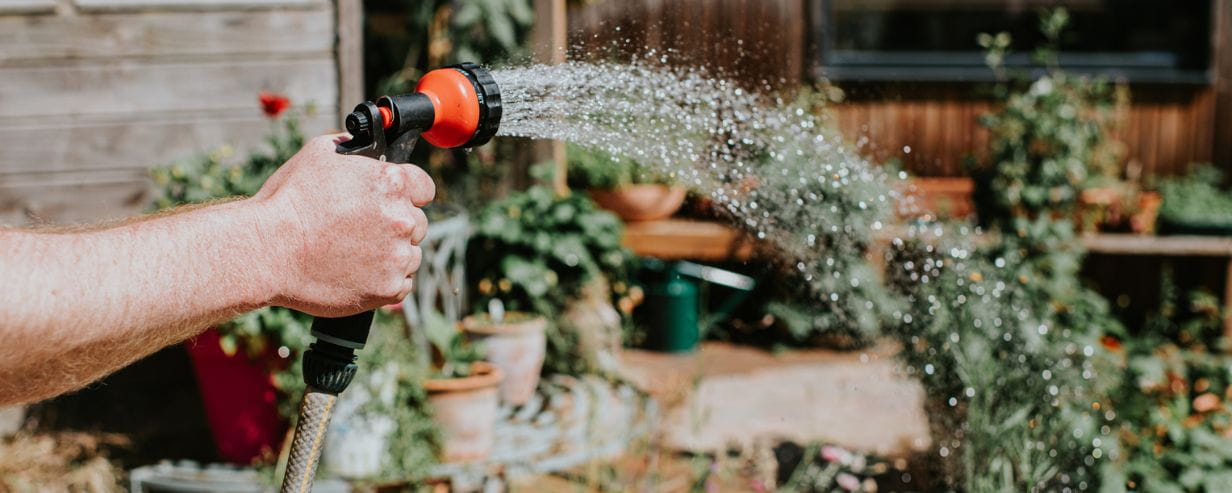
Now is not the time for wielding our hosepipes and watering cans with abandon, warn our experts.
We know that watering at night is best for our borders and beyond, says Maklouf. “You’ve probably heard this before and it’s self-explanatory. The cooler the conditions when you actually water, the less evaporation will occur. I tend to wait until sunset and enjoy this time with my plants.
And go steady when you’re giving the garden a drink, says Hoblyn. “Water deeply and rarely rather than little and often. A quick sprinkle every evening trains roots to stay near the surface, exactly where they are most vulnerable.
“Give your plants a proper soaking once a week and you encourage roots to travel down to where moisture reliably sits.”
Maklouf agrees and says this is effective ‘plant parenting’ as they’ll be more likely to look after themselves over time.
While some foliage will fare well in arid weather, others will undoubtedly be struggling to survive. This might seem obvious, but the temptation may well be to treat all our plants with a similar plan of action.
“Yes, it’s easier to use a broad-brush approach, but you know instinctively that your euphorbia is going to be fine for much longer than your hydrangea,” says Maklouf.
“As we move into warmer summer seasons, take this opportunity to notice which of your plants is thriving in the heat, so that if you do find you need to replace something, you have a list of good-doers up your sleeve.”

Step away from the fertiliser and other plant foods. Again, we’re naturally desperate to save our gardens from certain starvation - along with dehydration - but it is indeed counter-productive.
“A dose of fertiliser on a heat-struggled plant pushes out soft, lush growth that wilts and burns even faster,” explains Hoblyn. “Do not panic-feed stressed plants; hold off until conditions ease.”
And Maklouf agrees: “This will only encourage lots of new young growth, requiring even more water.”
If you’re gardening in containers, Maklouf advises applying all the steps above along with a few extra tips for potting success in a heatwave.
“Be sure to group your pots together, preferably on pot saucers or trays,” she says. “All my large terracotta pots are lined with old plastic compost bags to reduce moisture loss during hot summers, so bear this in mind when you are re-potting.
“I also make sure that I water the sides of the pot on the outside as well as the compost within,” she adds. “This dramatically reduces the wicking effect of the terracotta.”
As we naturally feel the urge to launch into rescue mode when the rain doesn’t fall and the sun threatens to strip our green spaces of all life, Hoblyn again advises gardeners to take a step back.
“This is the one people find hardest; accept a bit of stress in your plants and soil as a feature rather than a fault,” he says.
“For example, at Knepp’s walled garden (a pioneering rewilding project in Sussex) the team found that a manicured, well-fed border was ecologically no richer than the arable fields around it. Poorer, leaner conditions, achieved through gritty or mineral soils, produce plants that are naturally tougher and gardens that support far more wildlife.”
Maklouf says it’s worth mentioning for a final time that less is more when it comes to all summer gardening jobs. “Stop faffing and stay still!” she says. “Pour yourself something cold and enjoy the blistering weather, preferably beneath the shade of your entirely un-pruned rose or similar.
“Pruning, planting and any type of digging should all be very much avoided if - as I have explained - you want a garden that serves you rather than the other way around.”
Noted, we say.


Saga Home Insurance comes with garden cover included. Find out what’s included and get tips to help secure your garden.

Do you have insurance for your outbuildings? Make sure you have the right cover for the structures in your garden.
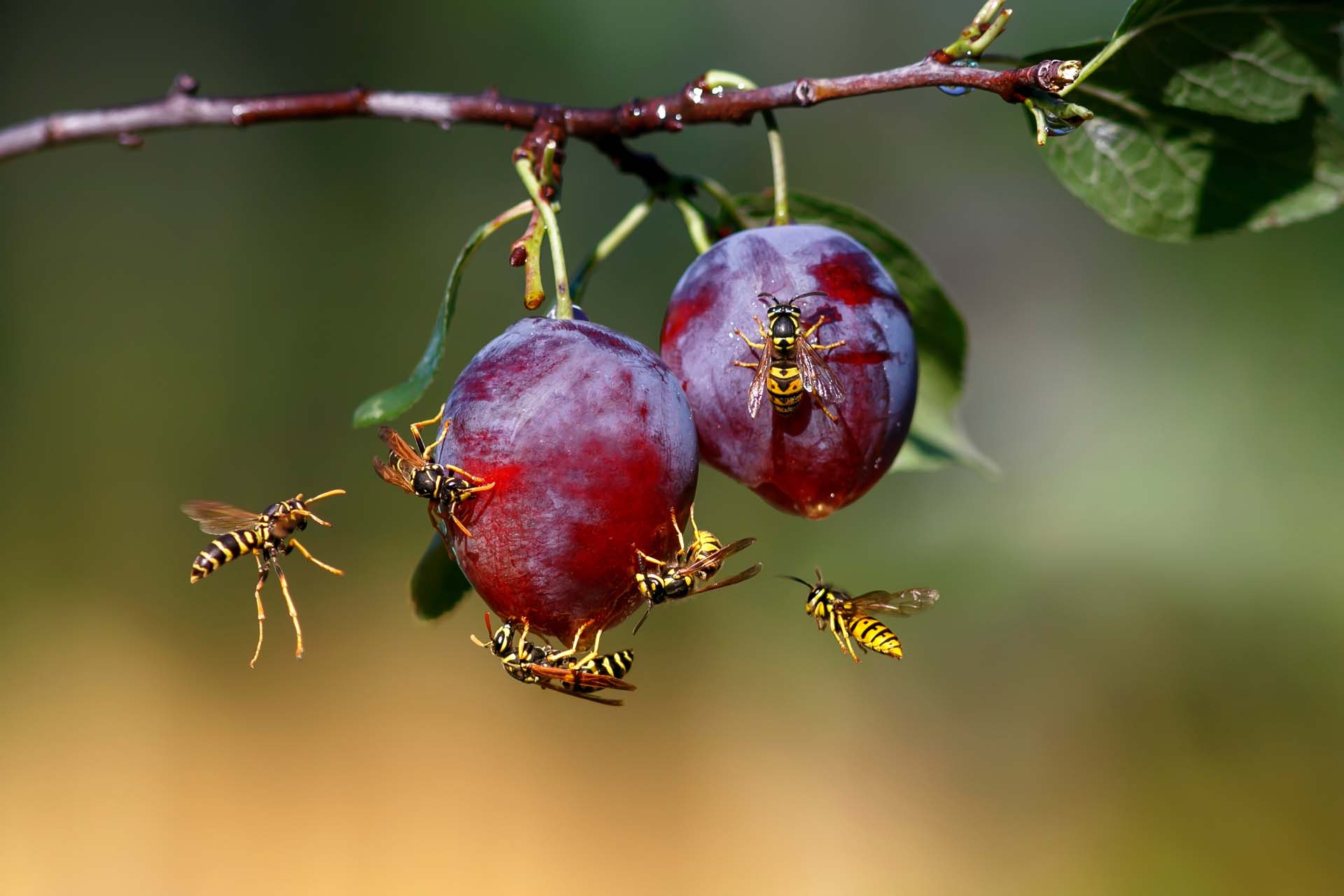
Blighted by buzzing? How to keep wasps out of your garden without harming them so you can enjoy the summer.
Our expert pruning and watering hacks include a top tip to keep them flowering from Alan Titchmarsh.

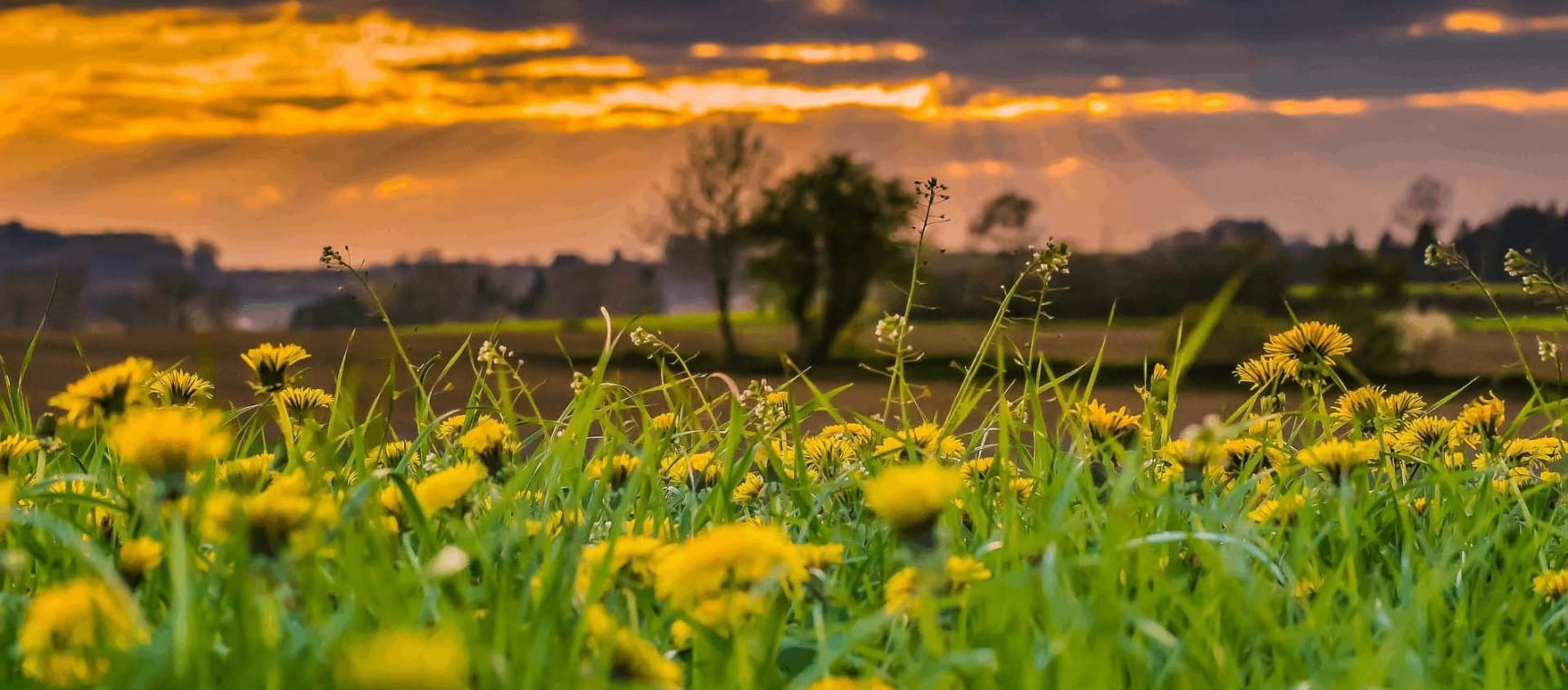
Want to know how to get rid of dandelions? Advice on how to tackle them but why they might be worth sparing.