How to feel less groggy in the darker mornings
Want to start winter mornings feeling energised? Follow these five simple tips.
Want to start winter mornings feeling energised? Follow these five simple tips.
As we face cold, dark and dreary mornings for the next few months, getting out of bed when the alarm goes off isn’t the easiest – or nicest – of tasks. It’s very tempting to stay in bed as long as we can, especially as it feels the winter season can sap all our energy.
So, why do we find it harder to wake up feeling fresh in the winter? It’s all to do with our circadian rhythm, the internal clock that determines when we should wake up and go to sleep, which is affected by the light.
Dr David Garley explains, “One of the main cues we have to wake up and feel energised is light. Due to the shorter days and longer nights we are now usually waking up in the dark and so we don’t have this strong trigger to wake up. This can mean that when our alarm goes off in the morning we are still solidly asleep, and it can take us a bit longer to wake up properly.”
Dr Garley and Dr Deborah Lee offer expert tips on how to feel your best in the winter mornings and throughout the day.
“It might be easy to just grab a breakfast bar or put some bread in the toaster, but a breakfast that is rich in both carbohydrates and protein should make you feel more alert quickly,” Dr Lee says. “Eggs are a great source of protein, so if you have the time to whip up an omelette full of your favourite meats and cheeses, that should do the trick.
“Eating something too sugary first thing in the morning, like certain cereals, can often spike your blood sugar which could make you feel more groggy.”
As well as what you eat in the morning, Dr Garley says that what you consume the night before will affect your sleep, therefore impacting your energy the next morning.
“Having a big meal right before bed can cause some disruption to your sleep,” he says. “This could be due to the general digestive processes or even because of heartburn. However, it also doesn’t help to go to bed distractedly hungry, so somewhere in the middle is usually best. Having your evening meal a couple of hours before bed can work well for most.
“While drinking alcohol will make you feel sleepy initially, it can lead to disruption later on in the night.”

According to Dr Garley, slowing down should be the main goal of the hour before you go to bed.
“It’s always important to have some form of a wind-down routine before trying to sleep – particularly with busy lives and hybrid working it’s easy to feel that we are in ‘work mode’ until quite late at night, and it is often a little ambitious to try to go from wake to sleep in a single stride,” he advises. “Finding a way to relax a bit before bed and bring your mind down from the ceiling can really help with getting off to sleep a bit quicker.
“Try not to overthink wind-down routines. Sometimes people have very long, rigid routines which sound exhausting, so you really just want to do something that you find relaxing and distracting whether that’s reading, having a bath or even watching TV.”
Dr Lee also stresses the importance of having a regular bedtime routine and avoiding technology.
“Your circadian rhythm is the pattern your body follows to know when it’s time to sleep and time to wake up,” she says. “A huge factor in this is routine and ensuring you’re going to sleep at the same time each night and waking up at the same time each morning.
“It isn’t just your sleeping pattern that needs to be kept in routine, but your daily meals, your shower and bath routine and your technology ‘switch-off’ time. It may be a little harder on a weekend – but if you push through, then it will make your Monday wake-up a lot easier!”
It may not sound like the most appealing thing to do when it’s cold and you’re nice and warm in bed, but a quick half-hour workout can leave you feeling energised and ready for the day.
“There aren’t many people who wake up in the morning and get excited by the thought of morning exercise,” Dr Lee says. “However, research has shown that doing a 30-minute workout with a medium effort will help you wake up a lot quicker than if you want to reduce sleepiness.
“It doesn’t have to be a major HIIT workout, even just a speed-walk around the block should help those tired eyes!”
Simple exercises that you can do at home include squats, lunges and push-ups as well as a walk.

Although it may be very tempting to reach for the caffeine as soon as you wake up, your early morning flat white may do more damage than good. According to research, drinking coffee first thing can interfere with your body’s natural cortisol rhythm, potentially reducing caffeine’s effectiveness and leading to tolerance over time. Additionally, it can irritate an empty stomach and can actually leave you feeling more tired later in the day.
“Naturally, when we wake up, the first thing we want to do is grab a coffee to actually wake up properly,” says Dr Lee. “However, you shouldn’t be reaching for the caffeine until at least 45 minutes after you wake up, 90 minutes if you can, as this is when the caffeine will give you the biggest fix. Your body's natural cortisol levels have started to drop so it will give you the pick-up that you need.”
Instead, opt for water, hot water and lemon or green tea if you enjoy a beverage first thing in the morning.
Often the reason we feel more awake in the summer months is because light shines into our rooms and we feel ready for the day ahead. In the winter, it’s hard to tell when we should be waking so it’s to ease into waking up.
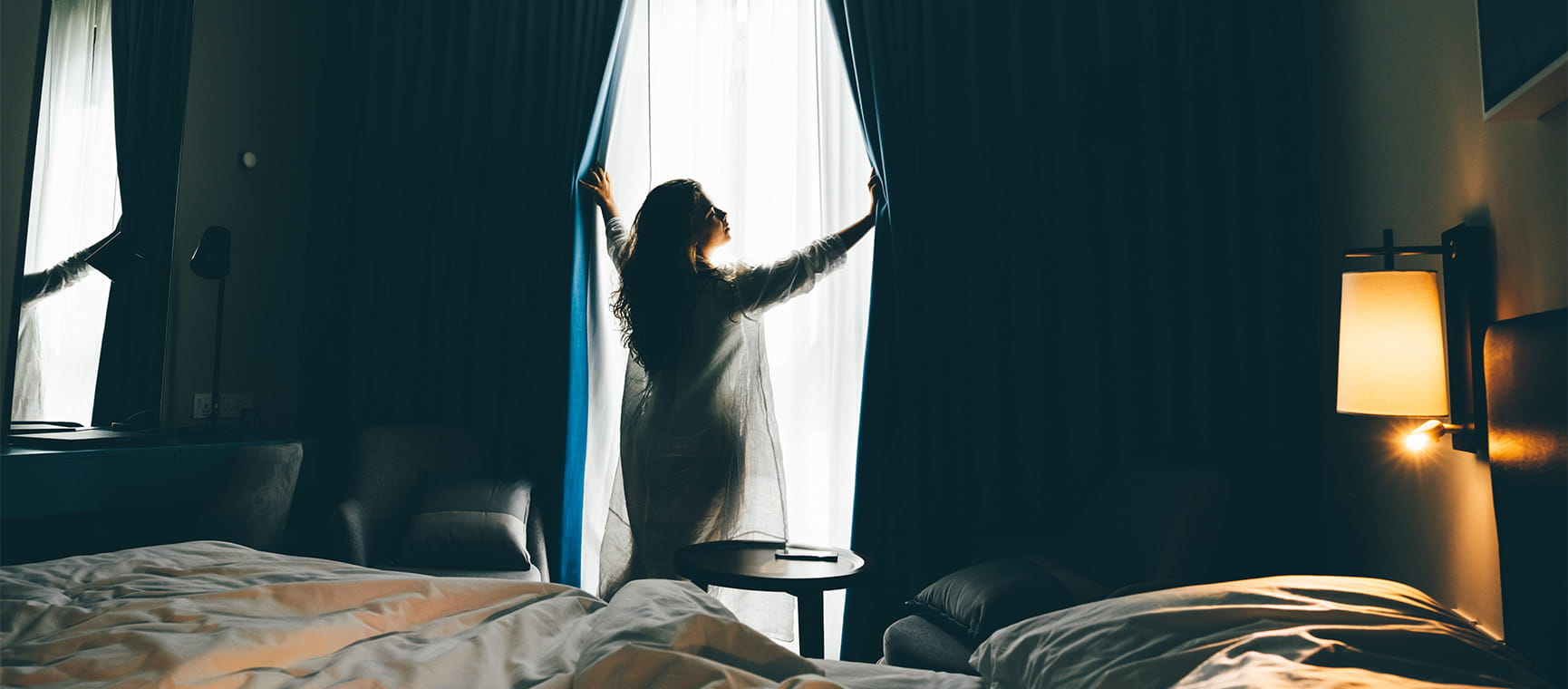
“When your eyes see light in the morning, it gives signals to your brain that it’s time to wake up,” says Dr Lee, who works alongside Comfybedss. “If you have blackout curtains, then this can be really confusing for the mind. Invest in a night lamp so that you can put it on first thing in the morning. These lamps will wake you, so it won’t be such a shock to the eyes when there’s a big, bright light next to you.
“However, if you can utilise natural light by opening the curtains and getting outside as soon as possible, then that’s a better option.”
Doing this as well as embracing a bedtime routine, should hopefully enable a good night’s rest, which will help your body adjust to the tougher winter months.
“The role of sleep is to support daytime function – whether that is giving good levels of energy, focus and concentration, or supporting our mood. Sleep is absolutely essential,” Dr Galey, director at The Better Sleep Clinic, says.
“At the same time, as humans we are built with resilience, and so we can survive the occasional nights of poor sleep. However, if you can find a way to allow adequate opportunity for sleep, and approach sleep with decent sleep hygiene then you will almost certainly feel the benefit of this during the shorter days.”
(Hero image credit: Getty Images)


Your chance to win a 7-night cruise for two on board Spirit of the Rhine, worth more than £4,000.

Health insurance for people over 50 that provides a quicker route to diagnosis and planned medical treatment in a private facility.
Underwritten by Bupa Insurance Limited.

Are you retiring at the wrong age? The best age to retire for your body, brain, happiness and pocket.


Everything you need to know about the lung infection, and how you could be ill with “walking” pneumonia without realising it.

Strong calves for a strong mind: how they support our circulation and brain health, with easy moves to strengthen yours at home.


Our GP Dr Mark Porter explains what can cause itchy skin, which is a common problem as we get older.

Worried you’ve morphed into Victor Meldrew? Find out how to battle that bad mood, and what to do if you’re stuck with a grouchy loved one.

The benefits of heat and cold therapy, and how Nordic bathing won over our nervous writer.

Here’s how to spot the symptoms of heat disease and reduce your danger.


Everything you’re entitled to this year, when you can have it, and the gaps that remain.

Pilates for back pain – what to do if you are suffering, and five gentle exercises that could help.

Dizziness or vertigo: a sensation of spinning, can stop us doing everyday things for fear of falling. Try these tips to stop feeling dizzy


You don’t have to put up with bladder leaks. We try out the latest pelvic floor gadgets for men and women.

Cataracts are a normal part of ageing. Learn how to spot the signs – and when it’s time to consider surgery.