“I’m a spinal surgeon – these are my 7 secrets for a healthy back”
A leading spinal surgeon reveals how he keeps his back strong, including the three exercises he does every day, the vitamin he takes and the foods he eats and avoids.
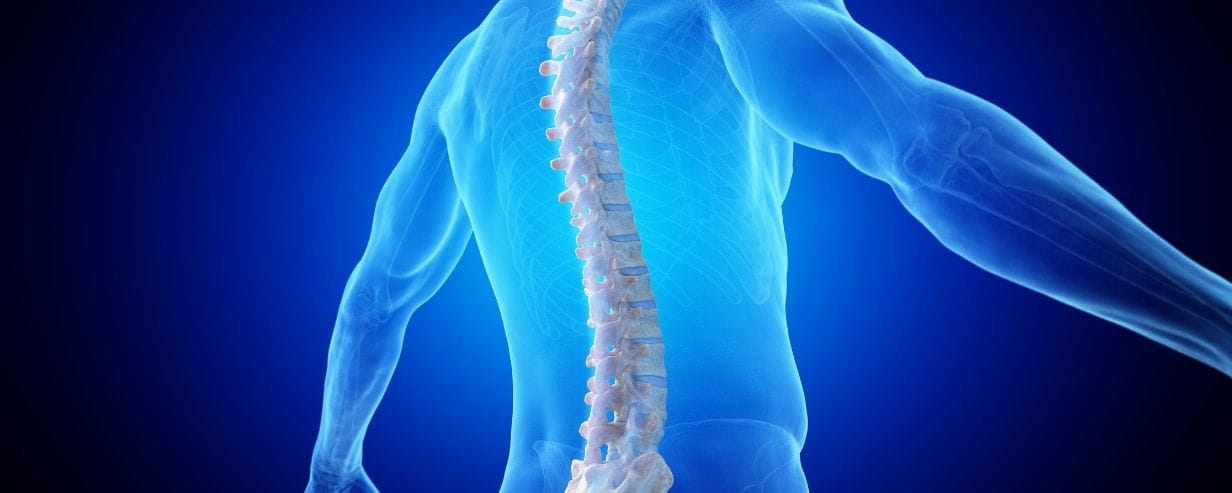
Whether it’s an agonising twinge, a dull ache, or an electric shock-like nerve spasm, most of us have experienced back pain at some point, and we’re even more likely to do so as we get older.
Back pain affects just under half of people aged over 65 and common causes include osteoarthritis, disc breakdown, muscle strain, spinal stenosis, and osteoporosis. And 60% of us will have low back pain at some point in our lives.
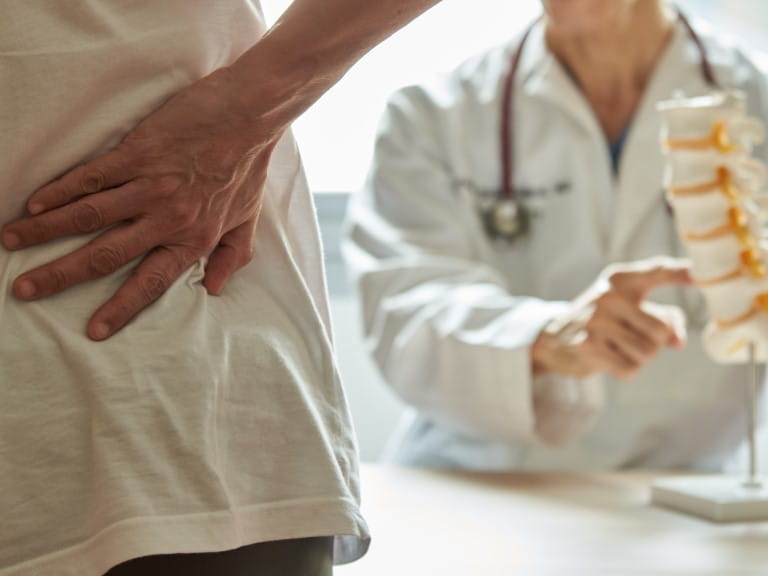
Ramsey Chammaa, a consultant spinal surgeon at the HCA Princess Grace Hospital, in London, reveals some simple daily habits he uses to keep his back strong and supple.
Having weak bones can contribute to back pain, so even if you haven’t got a diagnosis of osteoporosis, or its forerunner osteopenia, it’s worth investing in maximising bone strength as you get older. “Bone broth is cheap and it’s good for the skeleton,” says Chammaa. “It contains collagen [the scaffolding/ building blocks of bones, muscles, tendons, ligaments, and other connective tissues]. You can buy sachets in the supermarket and add them to soups and other dishes.”
Bone broth isn’t quite the same as a traditional stock; it generally contains more bones – which have sometimes been roasted – and is boiled for far longer, often for 12+ hours, so it’s more intense and contains more nutrients.
Osteoporosis affects 3.5 million people in the UK and 50% of women and 20% of men over 50 will break a bone because of it. “Osteoporosis can contribute to back pain as it can cause fractures in the vertebrae in the spine and cause them to collapse, leading to back pain, and later height loss, if left untreated. If you have one of these vertebral fractures, your risk of having another one increases four to five times without treatment, and your risk of a hip fracture doubles,” says Chammaa.
“People often don’t realise they have osteoporosis until they have a fracture. It’s more common in older women when they lose oestrogen after the menopause, but men get it too. It’s a good idea to have an Echolite test (a type of ultrasound), or Dual Energy X-ray Absorptiometry (DEXA) scan to find out what your bone density is, as treatments are available.”
New research published in August 2026 by the University of Edinburgh (based on work done on zebra fish), has found that a drug used to treat osteoporosis called bisphosphonate can block mineral build up in spinal discs and may slow down disc degeneration, one of the leading causes of back pain.
“The worst thing you can do if you are prone to a bad back is to stay still for too long – it’s so important to keep moving,” says Chammaa. “Movement helps with blood flow, bringing oxygen and nutrients to your spine and tissues, helping keep discs hydrated and your muscles flexible.
“I recommend walking a minimum of 7,000 steps a day, staying active in the home by doing housework and gardening, and exercise classes such as aqua aerobics and Pilates to strengthen core muscles.
“As a busy surgeon I sometimes don’t have time for the gym, so I make sure I do these three exercises every morning before work. I used to get back pain from time to time, but since I have been doing this routine, I hardly get it at all.”
Don’t do these if you have acute back pain, he says – they’re meant as preventive exercises.
“Being overweight or obese increases the load on your spine significantly,” says Chammaa. “It can also become a bit of a vicious circle as if you are very overweight you might struggle to walk and exercise, and this will worsen your back problems.
“If you weigh 90kg and you bend forwards, the force that travels through your spine is 90kg plus an extra 60% on top of that, so you’re putting all that extra pressure on your spine just by going about benign daily activities.
“Losing some weight can take some of the pressure off if you have high BMI.”
A 2024 study by Oslo University Hospital published in the journal BMC Public Health confirmed that the risk of developing lower back pain increased with higher BMI, and women with a BMI of 35 or more, carry a particularly increased risk.
“When I get patients with back pain and cannot find an immediate cause, I will always do a blood test to check vitamin D levels,” says Chammaa.
“Low vitamin D levels can cause muscular pain, and lots of people in the UK have lower levels of vitamin D during winter as there isn’t enough sunshine for their body to make it. When they take a supplement, their pain gets better.”
Vitamin D is also needed for bone, and muscle health, so is good for maintaining the skeleton.
The Department of Health and Social Care recommends that everyone aged 65 and over should consider taking a 10mcg vitamin D supplement all year round to support bone and muscle health. In the winter months, especially January to March, between 21% and 38% of people in the UK are vitamin D deficient, according to NICE, the government’s health and medicines body.
It turns out your mother was right when she said, “bend your knees not your back”. “This is absolutely the right advice when you reach down to pick something up and it’s something I make sure I do,” says Chammaa.
“As soon as you lean forward with straight knees, you’re increasing the load on your spine by 66% and if you bend forward and lift a weight you will increase it by 200%
“To reduce that strain and shorten the lever arm on your spine, bending your knees and coming close to the object you want to lift or carry, is kinder to the back than leaning forward with straight hips and knees.”
“You could argue that all types of back pain are inflammatory in nature, so following a lower carbohydrate diet is probably a good idea because we know that carbs are inflammatory,” says Chammaa.
“Turmeric, garlic, ginger, and onions are known to have anti-inflammatory effects and may be worth incorporating into your diet.”
Other anti-inflammatory foods include fruit and vegetables, legumes, lean protein, oily fish such as salmon and mackerel, wholegrains, nuts, and seeds. These foods are the main ingredients of the Mediterranean Diet.
“I wouldn’t recommend anything as extreme as the Keto diet [a high fat, moderate protein, very low carbohydrate regime] though, as people can end up eating too much fat. In people over 60 this can send their cholesterol and triglycerides (blood fats) through the roof, raising their risk of heart disease.”
When you’re sitting, the key is to be relaxed rather than ramrod straight, which some people mistakenly think protects their back. “Relaxed but comfortable sitting is the key. The important thing to look for in a chair is that it provides support for the natural curve in your spine and this is very individualised, so you have to experiment to find what best suits you,” advises Chammaa. “There isn’t one size that fits all.
“It’s the same with mattresses. There’s no evidence that an orthopaedic mattress will be the answer to your back problems. I like a firmer mattress, but that’s just because I find it more comfortable. Others may prefer a softer bed – it’s about what works best for you and it’s a case of trial and error to find out.”
Buy direct and start a new Saga Health Insurance policy by the end of 10 December 2026 to get your first 3 months free. T&Cs apply.
Underwritten by Bupa Insurance Limited.
Trusted advice, practical tips, exclusive interviews, puzzles, competitions and more every week. Sign up to our free newsletter.
Jo Waters is an award-winning health and medical journalist who writes for national newspapers, consumer magazines and medical websites.
She is the author of four health books, including What's Up with Your Gut? and is a former chair of the Guild of Health Writers.
Find out about Saga’s walking holidays here…
Saga’s walking holidays are perfect for exploring Europe’s stunning destinations on foot. They’re suitable for all fitness levels and offer a well-balanced mix of guided walks and relaxation.
Are you retiring at the wrong age? The best age to retire for your body, brain, happiness and pocket.
Everything you need to know about the lung infection, and how you could be ill with “walking” pneumonia without realising it.
Strong calves for a strong mind: how they support our circulation and brain health, with easy moves to strengthen yours at home.
Our GP Dr Mark Porter explains what can cause itchy skin, which is a common problem as we get older.
Worried you’ve morphed into Victor Meldrew? Find out how to battle that bad mood, and what to do if you’re stuck with a grouchy loved one.
The benefits of heat and cold therapy, and how Nordic bathing won over our nervous writer.
Here’s how to spot the symptoms of heat disease and reduce your danger.
Everything you’re entitled to this year, when you can have it, and the gaps that remain.
Pilates for back pain – what to do if you are suffering, and five gentle exercises that could help.
Dizziness or vertigo: a sensation of spinning, can stop us doing everyday things for fear of falling. Try these tips to stop feeling dizzy
You don’t have to put up with bladder leaks. We try out the latest pelvic floor gadgets for men and women.
Cataracts are a normal part of ageing. Learn how to spot the signs – and when it’s time to consider surgery.