5 surprising health benefits of owning a dog or cat
As we get older, staying active, connected and mentally sharp become even more important – and pets can play a vital role.
Getty
As we get older, staying active, connected and mentally sharp become even more important – and pets can play a vital role.
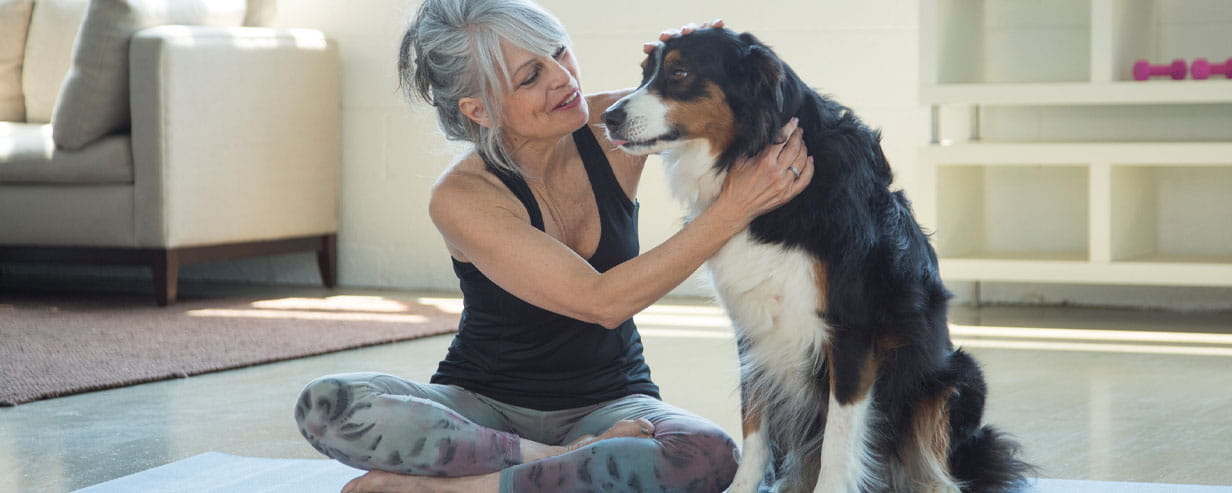
Many pet owners feel instinctively that owning an animal is good for them. Looking after a dog means you have to go for regular walks. Looking after a cat means you have frequent company. Even rabbits and hamsters can make great companions.
Experts often reach a similar conclusion. “Pets aren’t medicine – they can’t treat mental or physical illness – but when the relationship is positive, they can support wellbeing through routine, movement, emotional regulation and companionship,” says Zita Wells, owner of Pet Patrol 365, a pet care service.
Here, we look at the scientific research and find out how a pet could boost your health in more ways than you might think.
The Alabama Brain Study on Risk for Dementia found that pet owners, especially those with a dog, had higher cognitive scores and larger brain structures. Pet ownership was associated with a reduction in “brain age” of up to 15 years.
A Chinese study adds further weight. Drawing on nearly 8,000 older adults, it found that for people living alone – a group at higher risk of dementia – pet ownership slowed decline in verbal memory (remembering words and information you’ve heard or read) and fluency so much that it appeared to offset the cognitive risks of social isolation.
Caring for a pet exercises executive function: planning, decision‑making and responding to another creature’s needs. “Pets keep us thinking about what they need,” says clinical animal behaviourist Emily Birch. They encourage us to problem-solve: we need to read their body language to understand what they want and find ways to keep them entertained.

In 2019, a US study showed that 10 minutes of stroking a cat or dog can bring down levels of cortisol, the body’s main stress hormone.
“When you stroke a calm, familiar animal, you’re sending a safe signal to your nervous system,” says Wells. “The signal activates the parasympathetic system, the network in the body that’s responsible for rest and recovery.”
Another study by researchers at the University of Buffalo found that just being around your dog or cat in stressful situations can reduce increases in blood pressure and heart rate, even more than being around a supportive friend. In the study, the presence of a pet blunted the body’s stress response.
More than three quarters of the 340,000 participants in the National Dog Survey 2025, run by the Dogs Trust, said that owning a dog made them feel less isolated.
For pet owners, living with an animal provides instant companionship, warding off loneliness, which is linked with higher risks of dementia, cardiovascular disease and early death.
Pets offer an “anchor relationship”, says Wells: “They can be a reliable source of connection during periods of change, stress or isolation.”
Pets can offer a steady presence that doesn’t depend on mood or circumstance. “Animals can’t repeat what you tell them, so people open up to them,” says Birch. “They’re also completely non-judgmental.”
Dogs offer an extra benefit. “They create social opportunities when you take them for a walk or you join an agility or training class,” says Birch. Your dog may stop to greet another dog, encouraging you to speak to the owner. If nothing else, you’ll have your dogs in common.

Owning a pet gives people a sense of purpose: however down or lethargic you might be feeling, you have to look after them. “One client described her dog as the reason she got out of bed and went for a walk each morning after losing her partner,” says Wells. “Another found that caring for her cat gave her a sense of routine and purpose during a particularly isolating period.”
Pets can be really helpful, says Wells, but they shouldn’t become someone’s only source of emotional support: “Ideally, pets should complement a person’s social network. They should provide companionship and comfort, while supporting rather than replacing meaningful human relationships.”
A University of Lincoln study found that dog owners walked 22 minutes more per day than non‑owners at a pace that was brisk enough to count as moderate exercise. Nearly 90% of dog owners met World Health Organisation activity guidelines, compared with half of people without dogs.
Walking keeps your heart healthy, strengthens your muscles, maintains bone density and helps your balance.
The benefits don’t come from the intensity as much as the regularity, says Birch: “Dogs need walking every day, whatever the weather or your mood.”
They also change the quality of the walk: owners go further, explore more varied terrain and get more sensory feedback, all of which benefit balance, heart health and mental wellbeing.

While owning a pet can bring many benefits, it does come with some challenges.
Pet owners may face financial pressures of vet bills, insurance, food and grooming. Their sleep might be disrupted by puppies, kittens or unwell animals. They might need to deal with behavioural issues from scratching the carpet to separation anxiety.
Not everyone will benefit from having a pet, especially if the pet doesn’t match their lifestyle.
“The greatest benefits for people and pets come not simply from ownership, but from the relationship itself,” says Wells.
“The daily walks, play sessions, grooming routines and moments together are what strengthen the bond and support emotional health on both sides.
“It’s not having a pet that makes the difference – it’s the connection, care and shared experiences that become part of everyday life.”


Be the first to know when your dogs and cats can join the Saga family too.

Buy direct and start a new Saga Health Insurance policy by the end of 10 December 2026 to get your first 3 months free. T&Cs apply.
Underwritten by Bupa Insurance Limited.

Are you retiring at the wrong age? The best age to retire for your body, brain, happiness and pocket.


Everything you need to know about the lung infection, and how you could be ill with “walking” pneumonia without realising it.

Strong calves for a strong mind: how they support our circulation and brain health, with easy moves to strengthen yours at home.


Our GP Dr Mark Porter explains what can cause itchy skin, which is a common problem as we get older.

Worried you’ve morphed into Victor Meldrew? Find out how to battle that bad mood, and what to do if you’re stuck with a grouchy loved one.

The benefits of heat and cold therapy, and how Nordic bathing won over our nervous writer.

Here’s how to spot the symptoms of heat disease and reduce your danger.


Everything you’re entitled to this year, when you can have it, and the gaps that remain.

Pilates for back pain – what to do if you are suffering, and five gentle exercises that could help.

Dizziness or vertigo: a sensation of spinning, can stop us doing everyday things for fear of falling. Try these tips to stop feeling dizzy


You don’t have to put up with bladder leaks. We try out the latest pelvic floor gadgets for men and women.

Cataracts are a normal part of ageing. Learn how to spot the signs – and when it’s time to consider surgery.