
Saga's Automated Assistant
What product would you like to discuss today?
Saga's Automated Assistant
Do you currently have a policy with us?
How does your policy number appear on your documents?
Here in the UK, we’re not really used to spells of very hot weather. Whenever a heatwave arrives, it takes a moment to remember how we deal with it.
Due to climate change, getting prepared and thinking ahead in the short and long term about how we cope with heatwaves is more important than ever.
Britain’s housing spans centuries and has been adapted, extended and remodelled to allow for new advances, such as central heating and inside toilets. Keeping dry and warm has been the main concern of housebuilders of the last few hundred years – only now are rising temperatures being considered.
Your home might not be prepped for long hot summers, but here are some things you can do now or in the coming years to keep cool under your roof.
Surprisingly, to deal with extreme heat, the answer is insulation. We tend to think it’s to keep heat in and keep homes warm. However, a well-insulated home will also keep extreme heat out – like the Thermos flask principle, keeping the contents hot or cool as desired. There’s a happy medium to strike though as super-insulated homes will trap and maintain the heat for longer.
If your loft insulation is getting for 20 years old, it might be an idea to renew it to be efficient all year round. And make sure your home is draughtproof as hot air getting in can be as troublesome as cold.
It can seem awful shutting out the sunshine, but an easy and quick fix in a heatwave is to shut your windows in the morning and close the curtains. Keeping your interior dark in the day will keep your home cool. As soon as the sun goes down, you can throw open the curtains, unlatch the windows and let the milder air flow through.
When you’ve got more time to prepare, you can apply heat reflective tinting film to the glass in patio doors and conservatories.
Any south-facing walls, doors and windows are going to be in full glare of the sun. Absorbing the heat will mean the air behind them will hot up, and hinges, panelling and locks can shift, warp or stick fast. If this becomes a regular problem, you can install an easy open-and-close awning to shade the whole area. A porch or door canopy could be enough to provide some extra shade.
To keep the sun off your home, a great fix is to put up some hooks and attach some shade sails – or a well-placed pop-up gazebo will do the trick too.
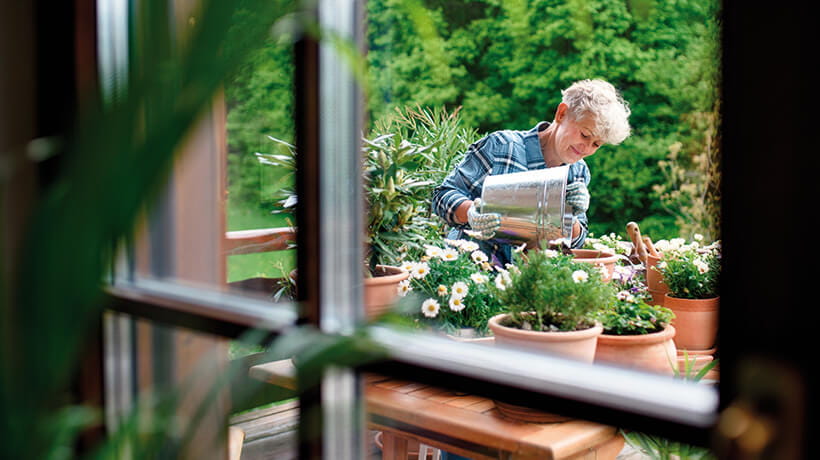
Another idea if you’ve got green fingers is to plant up pots and containers full of lush foliage against a white wall to keep the heat off the house.
Hot air rises and you’ll often find a pocket or layer of hot air at the top of the stairs. This is great in winter, but in summer it can feel oppressive and stuffy. If you can, crank open your loft hatch and the air will rise into the attic space and out through the eaves, cooling things down and helping the air flow.
Extreme temperatures can affect your home. Some of these effects might not be immediately apparent while others are. Warping might not appear until the weather turns, while a roof tile can split and slide off while the sun’s at its hottest.
If your home is built on clay, subsidence could become an issue after a heatwave – and it certainly did for many homeowners after the hot spell in the summer of 2022. Signs of subsidence can include diagonally travelling cracks, cracks wider than 3mm, sticking doors and gaps under skirting boards.
When we’re trying to keep cool during a heatwave things we usually do at home without a second thought, or rarely, could have an unexpected knock-on effect. These three pointers highlight what could be an issue.
And, of course, never miss an opportunity to test your smoke alarm and replace the batteries.
A week or two without rain combined with high temperatures can lead to tinderbox conditions. Some of the most harmless things can become a fire hazard even in your own back garden. Here’s what you can do to dampen the risk of fire.
When there’s extreme weather of any kind, our top piece of advice is always the same – know where to find your home insurance documents. Make sure you know the number to call to make a claim. All claims numbers are staffed 24/7 so you can call at any time of the day or night.
You can get your documents online, log in or set up a MySaga account.
If you’ve never made a claim before, you can find out what happens in our step-by step guide.
Saga Home Insurance is arranged and administered by Ageas Retail Limited and underwritten by Ageas Insurance Limited.
Whether you're looking for straightforward insurance or cover that's packed with extras, our home insurance has plenty of options for people over 50.
Choose Saga Plus, our highest level of home cover, and freeze the price of your home insurance for 2 years if nothing changes. T&Cs apply.
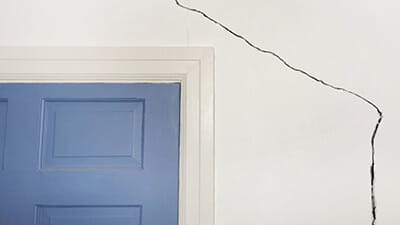
When can you fix cracks yourself and when should you ask for help?
Use our seasonal home maintenance checklist to keep your home ship shape and avoid major costly repairs
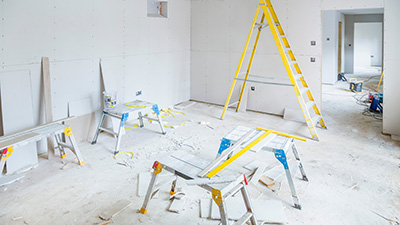
Whether you’re fitting a new kitchen, converting the loft or extending the house, keep your home protected at all times.

Take time to value all your possessions to ensure they’re fully covered.

When should you worry about cracks in plaster and what can you do to repair them?

What does it mean? Here’s how home insurance can help with get things back to normal after a leak.
Saga home insurance comes with garden cover included. Find out what’s included and get tips to help secure your garden.
Here’s how to make sure your home is as safe as possible from burglars.

Get the full picture on how new build home insurance works when you buy a home.