How to future-proof your home for later life
From walk-in showers to smarter kitchens, these expert-backed ideas can make your home safer, more comfortable and easier to live in – without compromising on style.

Making your home easier to navigate in later life is something we might put off, but there are ways to do it without compromising on style.
Future-proofing is an upgrade, not a downgrade. Wider doorways make moving furniture easier. Better lighting saves stubbed toes as much as it does ageing eyes. And a walk-in shower is more of a hotel-style luxury than a concession to old age.
By making thoughtful improvements now, you’re creating a home that’s easier, safer and more enjoyable to live in, whatever life throws at you next.
The great news is that the homes and interiors industries are doing more and more to support people wanting to stay in their homes for longer. Occupational therapist and Stannah consultant Kate Sheehan specialises in accessible housing design and the impact of home environments on wellbeing.
For Kate, the key is to make the changes as soon as you can.
“Having a bath is one of the most complex physical activities we do, and for me, a bathtub is an innately poorly designed product – I don’t want people stuck in the bath!” she says. “So, if you can introduce a shower beforehand, or a lift beforehand, it’s just going to improve things.”
And if you've got physical issues with a cognitive overlay, it’s even more important to act early so you get used to those changes.
“Most importantly, don’t look at these things as a ‘negative adaptation’ or a hospitalisation of your home,” says Kate.
“Product design has moved on so much. I like to call these changes good, well-planned home renovations, so you’re upgrading your life for the better.”
Making sure your forever home meets your long-term needs as early as you can makes a lot of sense.
“It’s far better to future-proof than crisis manage,” says Kate. “I’m a huge advocate for making changes prior to needing them, because it takes away the stress and potential financial burden early on.”
She points out that you never know when you might suddenly be incapacitated – and it might be while you’re perfectly healthy. “You could break your leg on a skiing trip or rupture your ACL on a hike, but knowing your house is suitable for physical difficulties offers peace of mind.”
Lisa Grosse, a building expert from roofing and cladding supplier Cedral agrees. “What works for a family today may not suit retirement or multi-generational living in the future,” she says.
“Features like a ground-floor, en-suite bedroom – or a space that can be easily adapted into one – add flexibility, whether for ageing parents or your own later years. Stairs can become challenging, and wider doorways or hallways might be needed for walker or wheelchair access. A future-proofed home design can save on a costly and disruptive renovation project later.”
Finally, making changes early on can be a big benefit if you or your loved one go on to suffer cognitive decline.
“It’s best to make adaptations early – then you can get used to how things work and where things are, reducing confusion along the line,” says Kate.
“For example, if you’ve always had crosshead taps, but want to switch them for lever taps, which are easier to operate, that’s a fix to do straightaway. Or switching a bath for a shower. You want to give yourself as long as possible to get used to the differences.”
These key upgrades will give you a better quality of life now and in your later years.
If you’re considering a renovation, or buying a new home off-plan, one thing that’s often missed but can make a big difference is the position of the plug sockets.
“If you’re getting a property rewired, get your sockets raised up from skirting board height, so you’re not having to bend and stretch as much to turn things on and off,” says Kate. “Especially don’t position your plug socket low behind the television – you’re far better off having it further up and to the side, so you’re not struggling to reach it.”
In a bedroom, Kate suggests having a double plug socket at side table height, on either side of the bed. “This will accommodate your phone charger and a lamp now, but also a profiling bed and medical equipment later,” she explains. “And you’ll have no trailing wires to cause a trip hazard.”
Finally, Kate suggests putting a socket at the bottom of your stairs
“You can then retrofit a stairlift if you need it, with the electrics already sorted for pennies rather than costing hundreds of pounds down the line.”
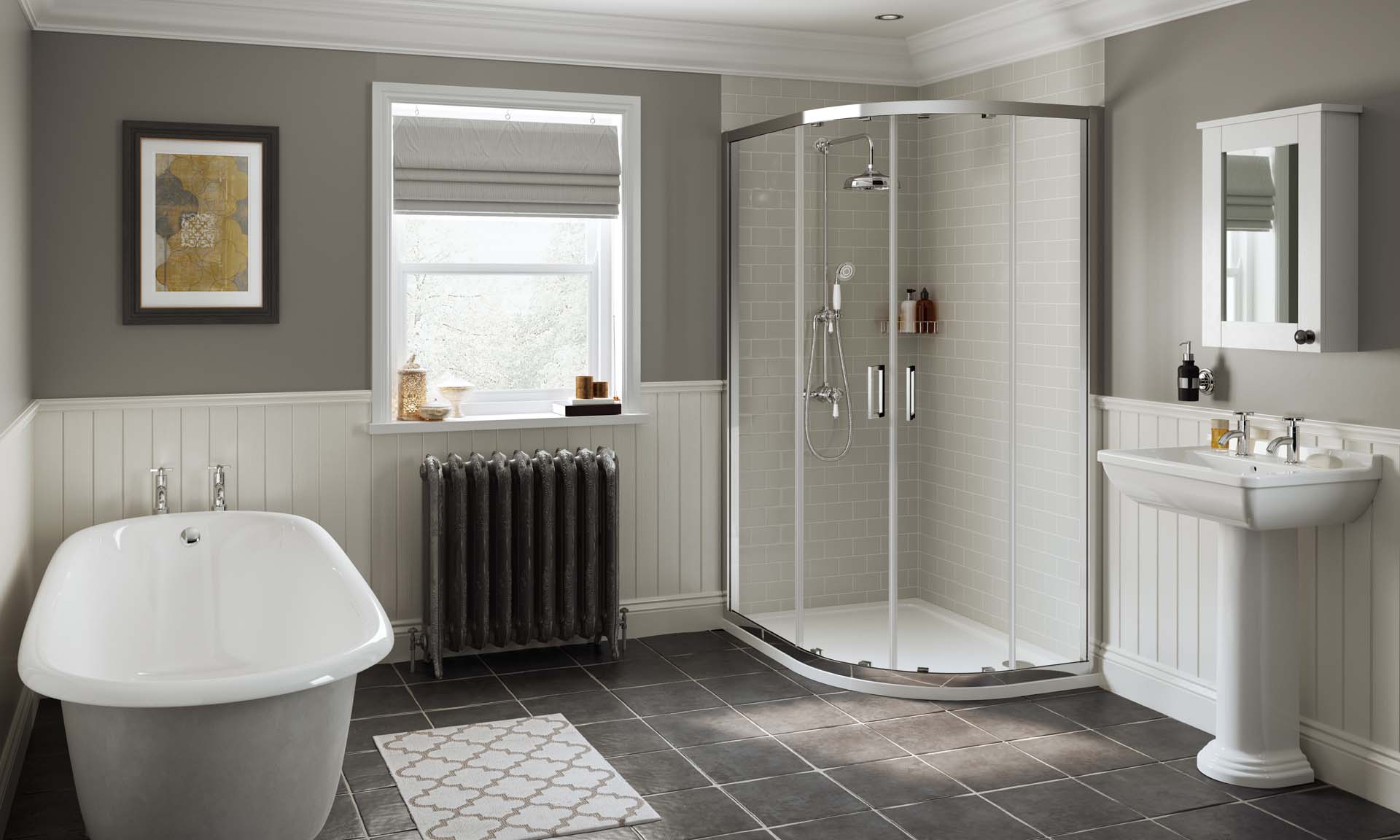
In Kate’s experience, the bathroom is the most problematic room as we age. “If you’re going to renovate, I would put in a truly level-access shower with no threshold step, so that you can get in and out easily with mobility equipment or even a wheelchair,” she says.
“A walk-in shower or a low-profile tray can make a huge difference as mobility changes, and it also makes the shower feel more generous and easier for everyone to use,” agrees Richard Eaton, design manager at bathroom specialists Tissino.
“I would always avoid making the shower too tight. Even a little extra room can make it easier to turn, reach for products or add a stool and grab rails in the future.”
The shower itself can also be future-proofed. “If you’re putting in a new mixer, electric or digital shower, choose one with a riser bar that doubles as a grab rail,” says Kate.
“The first thing that people do when they have a slight feeling of unsteadiness is grab the riser bar. Most standard designs will come off the wall, and that’ll see you on the floor. But there are some beautiful designs out there that double up.”
“The position of the controls helps, too,” adds Richard. “If you’re able to turn the water on before stepping into the shower, as you can with digital showers with separate control panels, you are not standing under a cold spray or leaning awkwardly across the space.
"A handset on a slider rail is really useful, as it can be adjusted for different heights, including if you’re seated. And it makes rinsing the shower area easier when cleaning.”
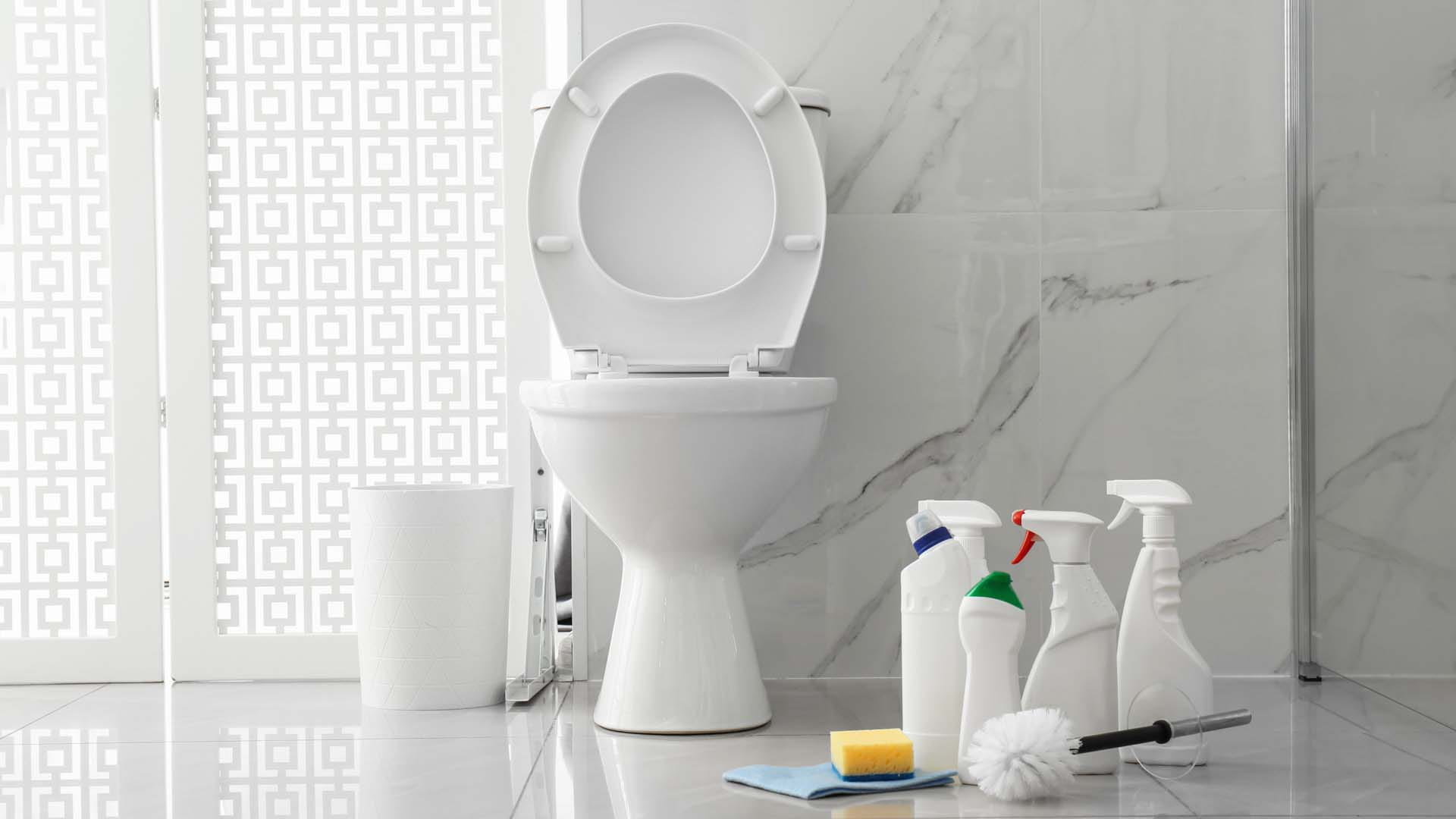
And Kate has one last feature to rethink. “It may sound surprising, but toilet dimensions have not changed much in the last 125 years,” says Kate. “They’re often designed on Victorian heights, so getting on and off is tricky.
"I’d go for what’s known in the industry as a ‘comfort height toilet’, which is much more accessible.”
Flights of stairs can become huge obstacles as mobility worsens, robbing us of the pleasure of taking our partner a cup of tea, or the dignity of having frequent showers. “The classic go-to solution is a stair lift, and they certainly work,” says Kate. “That said, if you have curves in your stairs it can make things more complicated – and expensive.”
But Kate has increasingly become an advocate for internal lifts, which can be surprisingly affordable and take up minimal space. Uplifts Homelifts by Stannah, for example, have a model less than a metre-squared and cost from £18,995 + VAT, which you may be exempt from if you have a long-term illness or disability. This includes installation, basic site preparation, the aperture cut and connection to a power source.
“With a stair lift, it’s awkward to carry much with you. With a lift you can take suitcases, the vacuum cleaner, piles of washing. It gives you far better internal circulation,” says Kate.
“For example, I have a lovely client who put in a lift because his labradors were having hip problems! He had mobility difficulties, too, and having the lift meant he could still take his wife breakfast in bed.
"It shows that these sorts of moderations aren’t just about surviving, but thriving.”
Uplifts are shaftless and non-load bearing, meaning they can be installed between almost any two rooms or levels, for example from a hallway to a landing, a living room to a bedroom, or a dining room to a home office.
No major structural alterations are needed – the main work involved is cutting the aperture in the floor, a job carried out by Uplifts’ trained builders.
The entrance to your home plays a vital role in helping you remain independent as you get older.
“One of the biggest issues is getting in and out of your home,” says Kate. “Think about the route from your gate to your front door. Keep paths as level and as wide as possible, add good lighting, and if you have steps, make sure they’re shallow with sturdy handrails on both sides.
"Don’t fear – that doesn’t mean opting for ugly ‘scaffolding pole’ styles. There are plenty of attractive handrails available now, so you don’t have to compromise on looks.”
If you can, install a level threshold at your front door. “It makes life easier whether you’re using mobility equipment, wheeling in the grandkids’ pushchairs or simply carrying the shopping,” says Kate.
“I’d also recommend a video doorbell, as it gives you more control over who you answer the door to. Your home should be your sanctuary, and these small changes can help you feel safer, more comfortable and more independent.”
The Government currently offers a means-tested grant called the Disabled Facilities Grant, which can fund up to £30,000 worth of work.
Heating and cooling upgrades were recently added to the list, so depending on your circumstances, you may be able to use it to fund any changes. It also covers disabled access (including door widening, ramps and grab rails), level-access showers, stair lifts and lighting.
“Pay close attention to slip resistance, as choosing a finish with a little more grip underfoot can give extra confidence, and also grout,” says Grazziella Wilson, group brand director at tile company Ca’ Pietra.
“Very pale grout on a busy kitchen floor or in a bathroom can become a bit of a chore to keep clean, so a warmer or more forgiving grout colour is often a better friend in the long run.
“Tile size also plays a part. Larger tiles can mean fewer grout lines to clean, which is useful on open floors, while smaller tiles or mosaics can work well in some shower areas because the extra grout lines can give more grip.”
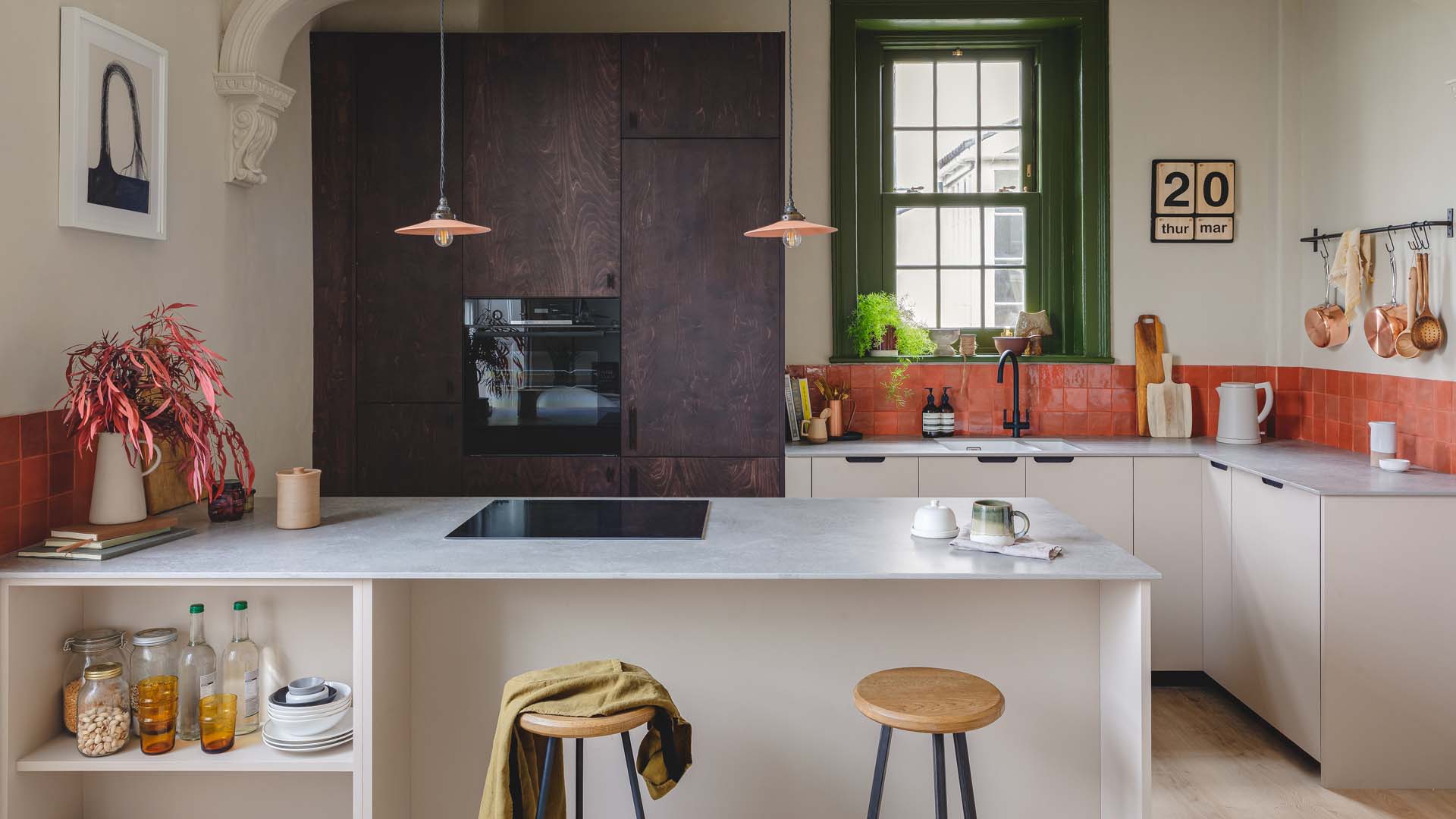
Kate has a few ideas for future-proofing a kitchen. “I always suggest putting in drawers, and avoiding deep cupboards like the plague, mainly because again, if you’re trying to reach something near the back, you’ll need to bend and stretch,” she says.
“Pick up a few inexpensive LED light strips from IKEA or Amazon, too, and stick them to the back of the drawers. As we age, our acuity goes, so these will help see what you have easily.”
She also advises installing ovens at eye level, so removing hot food is less of a challenge. “I’m a big fan of the Neff Slide ‘n’ Hide models, as you can push the door into the body of the oven as you open it, making it far less likely that you’ll burn yourself,” says Kate.
“And smart ovens that send a message to your phone when your cooking time is up can be a massive help if you’re a bit forgetful, reminding you to take your food out before it burns.”
If you’re concerned about cognitive changes as you get older, Kate explains that colour contrast is important, so that you can see where things are.
“A fully white kitchen, for example, can be really confusing for somebody with cognitive challenges,” she says. “I’d suggest changing solid doors to ones with glass or Perspex, so you can understand where your mugs or plates or saucepans are without getting confused.”
“Finally, if you’ve got that space, always add somewhere to sit and eat in the kitchen,” says Kate.
“As you age, carrying hot things can be difficult, especially if you need to travel through a few different rooms. It could be a low breakfast bar, or a small table – whatever you can squeeze in.”
From boosting dexterity to helping reduce anxiety and depression, gardening is a rewarding activity that can enhance both physical and mental wellbeing at every stage of life. “I’ve seen really good evidence recently that if we access our outdoor space, not only are we fitter, but also we’re emotionally and cognitively better, because we’re engaging with nature,” says Kate.
So if you can’t access your outdoor easily – whether it’s a balcony or garden – it’s going to have a negative effect. “You don’t need to be able to get the full way down a 100-foot garden – just an area where there’s a patio and some planting,” says Kate.
“Raised beds are a must, you don’t have to bend down, but you’re still engaging with gardening, and non-slip patio stones will make the space seem less ‘scary’, especially when it’s wet or icy.”
Last but not least, let’s think about heating. You can’t fail to have noticed it’s getting hotter in summer, while higher energy bills can be costly in winter.
“Certain neurological conditions, such as Parkinson’s and Multiple Sclerosis also make it more difficult for people to regulate their temperature,” adds Kate, “So it’s really important to have some good cooling systems in place.
"There are some excellent, low-cost and very effective solutions that literally sit on the wall and can be controlled with a remote or iPad.”
Amy Cutmore has been writing about interiors for more than 20 years, harking back to the days when glossy red kitchens, toile de Jouy and rag rugs were all the rage, and everyone wanted a Changing Rooms makeover. You’ll have seen Amy’s work at Britain’s biggest homes titles, including Ideal Home, where she served as Consumer, Technology and Group Digital Editor. She has also edited or written for Homes & Gardens, Livingetc, 25 Beautiful Homes, Real Homes, Gardeningetc, Inside Readers’ Homes, Inspirations for Your Home, Country House & Home, Top Ten Reviews, Trusted Reviews and Country Life.
View author page
Whether you're looking for straightforward insurance or cover that's packed with extras, our home insurance has plenty of options for people over 50.
Your chance to win a 7-night cruise for two on board Spirit of the Rhine, worth more than £4,000.
Taking on easy DIY projects is a great way to pass a weekend.