What your sleep reveals about your health
From struggling to drift off to waking up every hour, these common sleep niggles can reveal more than you think - with expert tips for getting a better night’s rest.
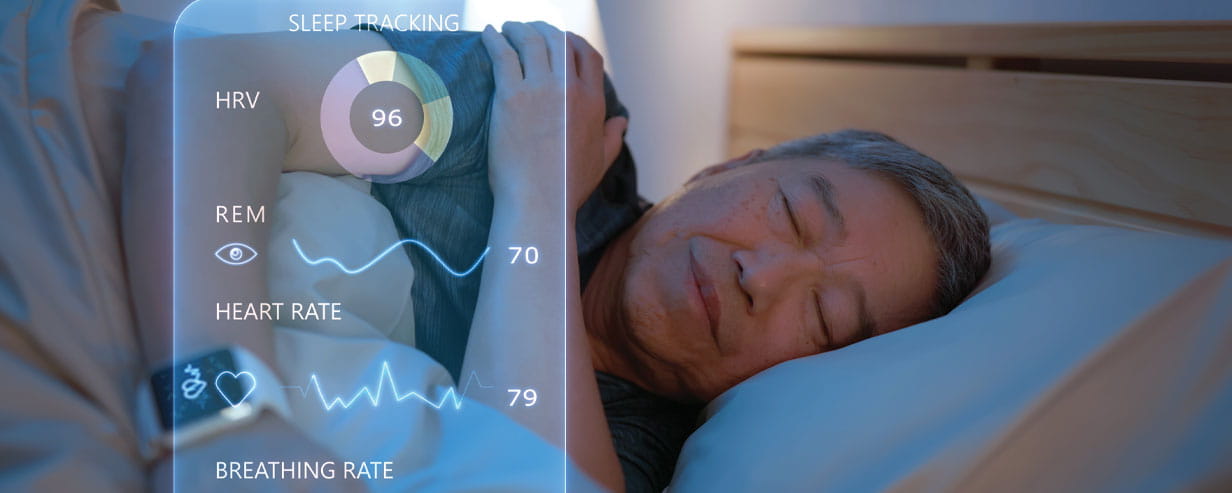
Our sleep changes as we get older. According to the charity The Sleep Foundation, over 65s benefit from seven to eight hours’ sleep, slightly less than the seven to nine hours recommended for younger adults.
Many older people find the quality of their sleep changes more than quantity. “As we get older, our sleep can become lighter and more fragmented, with less deep sleep,” says Maryanne Taylor, founder of The Sleep Works.
Sleep is vital for topping up our energy, steadying our mood and keeping our minds clear. One or two nights of poor sleep might not be anything to worry about, but certain patterns can be the body’s way of flagging that something is wrong.
“If you’ve been mentally ‘on’ all day, your cortisol level may still be high,” says Taylor. The stress hormone spikes in response to mental activity. “People who are anxious, conscientious or caregivers can find it particularly hard to switch off,” she says.
Think you’re pretty relaxed? Your melatonin level might be low. This hormone tells the brain it’s time to sleep. It starts declining during midlife and may be much lower by your 60s and 70s.
If you’ve had a stressful day, implement a ten-minute buffer zone before bed: lower the lights, read (avoiding screens) and put your phone away. “The goal,” says Taylor, “is to help the brain realise the day is ending.”
Once in bed, don’t clock-watch: it spikes alertness. If sleep remains elusive, go somewhere quiet, do something gentle like listening to a podcast and return only when you feel genuinely sleepy.
Even if cortisol doesn’t stop you falling asleep, it could disturb your night. “Cortisol is produced throughout the day but starts rising at three or four in the morning,” says Dr Maja Schaedel, co-founder and director of The Good Sleep Clinic.
“It’s a stress hormone, but it also functions as an alertness hormone, building towards its peak at the moment we normally wake up.” People with a hyperactive nervous system – from years of anxiety or a difficult home life – are especially sensitive to this pre-dawn surge.
Older women may experience residual effects of the menopause. Fluctuating oestrogen and progesterone levels during mid-life can cause hot flushes and night sweats that jolt the body awake.
“People might have come out the other side, but their body has now developed a habit of waking up at three or four in the morning,” says Dr Schaedel. “It’s learned behaviour.”
Once awake, getting back to sleep can be hard. “In the early hours, when it’s dark and quiet, there are no distractions competing for attention,” says Taylor. “The brain suddenly has time to focus on unresolved worries.”
The most counterproductive thing you can do is try to force sleep. “Sleep is an automatic biological process and works best when the brain and body feel safe enough to let go,” says Taylor.
Shift the aim from sleep to rest: resting is still restorative. Slow your breath, making the exhale slightly longer than the inhale, and keep the lights low.
CBTi (cognitive behavioural therapy for insomnia) can also help by changing thoughts, habits and routines. Some GPs can offer you access to an app such as Sleepio through the NHS.
This may indicate you have sleep apnoea, when your airway repeatedly closes or narrows during the night, briefly depriving the brain of oxygen. It becomes more common with age because the muscles that keep the airway open weaken over time, while small changes like a softer throat, a lower tongue position or a bit more tissue around the neck make the airway more likely to narrow or collapse during the night.
Classic symptoms include snoring or gasping. Obese men were thought to be especially at risk, but Dr Schaedel believes the condition is significantly underdiagnosed in women.
“There’s less snoring,” she explains. “They’re not necessarily overweight. And they don’t talk about tiredness in the same way. Women often talk about exhaustion and fatigue instead.”
Emerging research suggests sleep apnoea may increase the risk of dementia by limiting deep sleep, when the brain flushes away toxic waste.
If you don’t have breathing difficulties, you might be waking up to use the loo. The most common causes, says Dr Schaedel, are prostate enlargement in men and menopause-related bladder sensitivity in women.
Diabetes can also be a factor: when blood sugar is too high, the kidneys pull more water to flush out the excess, so you need to go to the loo more often.
For suspected sleep apnoea, ask your GP for a referral to a sleep disorder centre. Testing might involve a wearable home monitor (a WatchPAT) or an overnight clinic stay. The main treatment is a CPAP mask worn at night.
For those waking to use the loo, ease off fluids two to three hours before bed and go just before you sleep.
If you think you might have diabetes, speak to your GP.
And should we be setting our alarms for a better night's sleep? Our sleep experts guide us through the bedtime truths and myths.
Early waking is to be expected as we get older because our circadian rhythm shifts throughout our lives. “As we move into our 50s, we feel sleepy earlier,” says Dr Schaedel. “If you start going to bed at 10pm rather than 11pm and are used to getting up at 7am, don’t be surprised if you wake up before then.”
Early waking can, however, signal depression. “People often assume early waking is simply part of ageing,” says Taylor, “but if it’s combined with loss of interest or enjoyment, anxiety or reduced motivation, it’s important to look at the bigger picture.” You’re likely to wake up feeling exhausted rather than refreshed.
Embrace your new waking time and keep to it consistently. Get 10-15 minutes of morning light – ideally, with a short walk – to suppress lingering melatonin and kick-start cortisol and serotonin, says Taylor.
“Sometimes having so much opportunity to rest as you get older can work against you,” adds Dr Schaedel. “A routine can really help.”
If you’re suffering from low mood, talk to your GP, who can suggest lifestyle changes, refer you for talking therapy such as CBT or prescribe medication.
Wanting more than one nap a day can be a sign of underlying conditions including sleep apnoea, poorly controlled diabetes, depression or chronic pain, says Taylor. It could also be a side effect of medication.
Constant sluggishness might point to a deficiency in iron, vitamin D or B12.
Narrow down possible causes with your doctor.
If you take a nap, limit it to 20-30 minutes to avoid slipping into deeper sleep and waking up groggy. Nap before early afternoon so that it doesn’t disturb your night and you then struggle to drift off.
Laura Silverman is a freelance journalist. She has chased news leads for the Sun, written arts reviews for The Times, interviewed politicians for Country Living and edited features for the Telegraph. She has also written books about wild swimming and Mary Shelley.
View author page
Click below for your chance to win a 15-night cruise to the Canary Islands on board Saga's Spirit of Adventure, worth more than £8,300.
Health insurance for people over 50 that provides a quicker route to diagnosis and planned medical treatment in a private facility.
Underwritten by Bupa Insurance Limited.
Are you retiring at the wrong age? The best age to retire for your body, brain, happiness and pocket.
Everything you need to know about the lung infection, and how you could be ill with “walking” pneumonia without realising it.
Strong calves for a strong mind: how they support our circulation and brain health, with easy moves to strengthen yours at home.
Our GP Dr Mark Porter explains what can cause itchy skin, which is a common problem as we get older.
Worried you’ve morphed into Victor Meldrew? Find out how to battle that bad mood, and what to do if you’re stuck with a grouchy loved one.
The benefits of heat and cold therapy, and how Nordic bathing won over our nervous writer.
Here’s how to spot the symptoms of heat disease and reduce your danger.
The NHS winter vaccination campaign kicks off next week. Here’s the lowdown on what you need to book.
Pilates for back pain – what to do if you are suffering, and five gentle exercises that could help.
Dizziness or vertigo: a sensation of spinning, can stop us doing everyday things for fear of falling. Try these tips to stop feeling dizzy
You don’t have to put up with bladder leaks. We try out the latest pelvic floor gadgets for men and women.
Cataracts are a normal part of ageing. Learn how to spot the signs – and when it’s time to consider surgery.